Understanding Endo Teeth: Root Canal Procedures and Emergency Endodontic Care Explained

Understanding Endo Teeth: Root Canal Procedures and Emergency Endodontic Care Explained
By Zainab Aziz, Anodyne Endodontics
Endodontic care treats infections and preserves natural teeth. Root canal therapy removes inflamed or damaged dental pulp, eases pain, and prevents further complications. Knowing how endodontic treatment works clarifies why prompt care matters. This article outlines root canal procedures, emergency endodontic care, common symptoms of pulp infection, how treatments work, and what to expect during recovery.
Key Takeaways
- Root canal procedures remove infected dental pulp to save natural teeth and prevent severe complications.
- Emergency endodontic care is essential for severe tooth pain, swelling, or trauma to preserve tooth structure.
- Common symptoms of dental pulp infection include persistent toothache, sensitivity, and gum swelling.
- Root canal therapy involves diagnosis, anesthesia, cleaning, disinfection, filling, and restoration steps.
- Timely root canal treatment alleviates pain and reduces the risk of tooth extraction.
- Post-procedure recovery typically involves manageable discomfort, pain relievers, cold compresses, and rest.
- Patients should seek professional care if pain intensifies, swelling persists, or jaw movement causes discomfort.
- Collaboration between general dentists and endodontists improves treatment planning and patient outcomes.
- Same-day emergency endodontic services provide immediate pain relief and convenient access to advanced care.
Root Canal Procedures
Root canal treatment removes infected or damaged pulp from inside a tooth. The dentist opens the tooth to reach the pulp chamber, clears infected tissue, and seals the tooth to block further infection. This stops issues from escalating to abscesses and can save the tooth so it functions normally for years.
Steps Involved in the Procedure
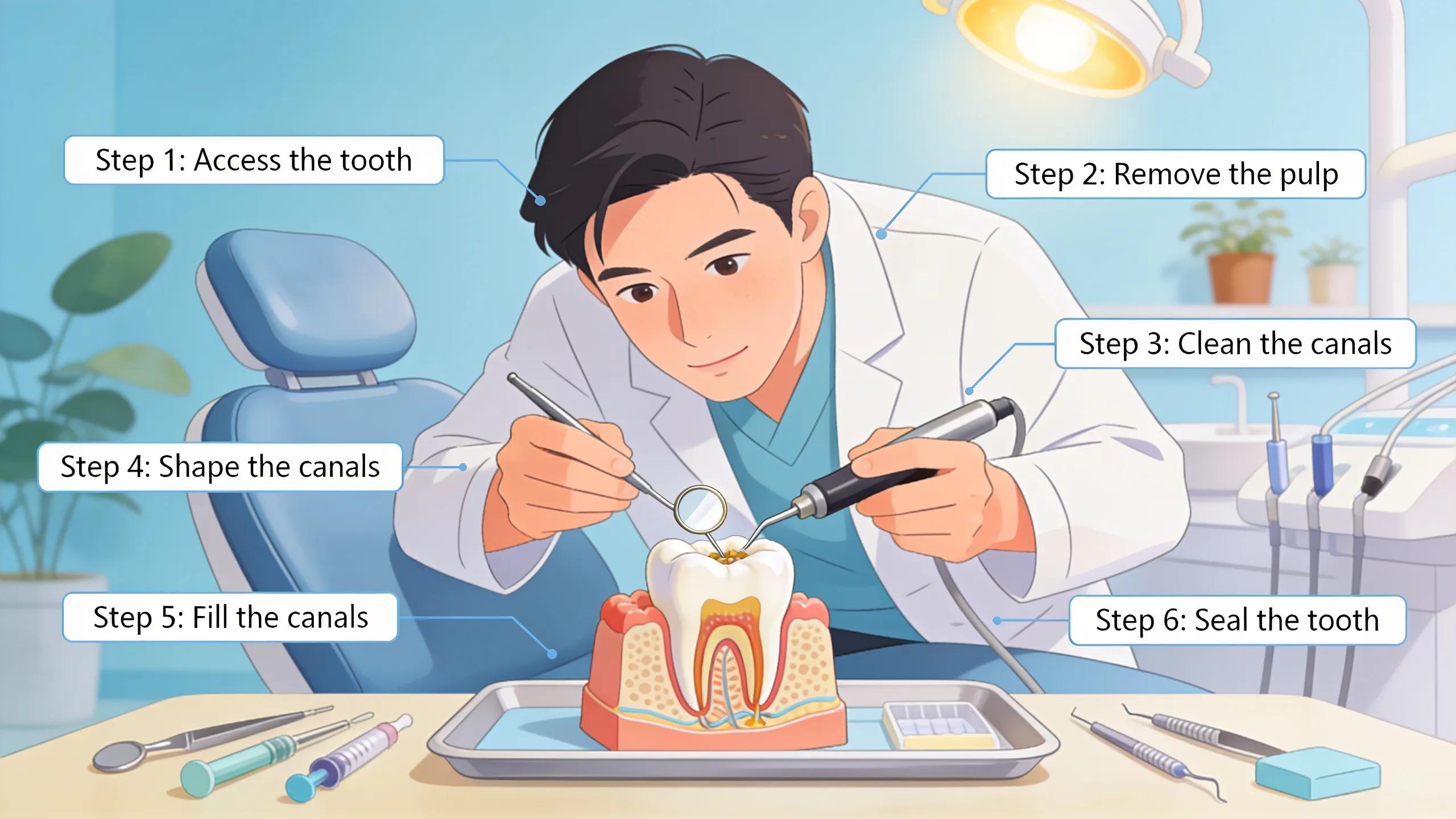
A typical root canal follows these steps:
- Diagnosis: Initial examination and X-rays to determine the extent of pulp infection.
- Anesthesia: Local anesthesia is administered to ensure patient comfort.
- Access Opening: A small opening is created in the tooth to reach the pulp chamber.
- Cleaning: Infected pulp tissue is removed using specialized instruments.
- Disinfection: The interior of the tooth is cleaned and disinfected to eliminate any remaining bacteria.
- Filling: The tooth is filled with a biocompatible material to seal it.
- Restoration: Finally, the tooth is crowned or restored to protect it.
Importance of Root Canals
Root canals prevent tooth loss from severe decay or infection. They preserve the tooth’s structure and function while relieving pain, making them a preferred alternative to extraction in many cases.
Emergency Endodontic Care

Emergency endodontic care addresses severe tooth pain, swelling, or trauma. Quick treatment can determine whether the tooth can be saved or needs extraction. Recognising emergency signs helps patients get timely professional care.
Signs That Require Emergency Care
Look for these signs that need immediate attention:
- Severe Tooth Pain: Persistent pain that doesn’t subside with over-the-counter medications.
- Swelling: Noticeable swelling of the gums or face, often accompanying infection.
- Sensitivity: Increased sensitivity to hot or cold temperatures that lingers long after the source has been removed.
- Trauma: Physical damage to the tooth from accidents or injuries.
How to Seek Immediate Help
If you need emergency endodontic care, do the following:
- Contact Their Endodontist: Call as soon as symptoms arise to schedule an appointment.
- Describe Symptoms: Provide detailed information about pain and swelling to prioritize treatment.
- Prepare for the Visit: Note any medications taken and previous dental history.
Importance in Dental Health
Root canal therapy is key to preserving dental health, preventing tooth loss, and supporting overall wellbeing.
Preventing Tooth Loss
Addressing pulp infections quickly helps save the natural tooth and lowers the chance of extraction.
Alleviating Pain
These treatments relieve the intense pain from infected dental pulp and restore normal tooth function.
Overall Health Considerations
Oral infections can spread beyond the root and affect general health. Endodontic care helps prevent wider complications and supports overall wellbeing.
What Are the Common Symptoms of Dental Pulp Infection?
Pulp infections often show clear symptoms that need prompt care.
- Persistent Toothache: Constant, severe pain that may worsen when chewing or applying pressure.
- Sensitivity: Prolonged sensitivity to hot or cold even after the source is removed.
- Gum Swelling: Inflammation or swelling around the affected tooth or gums.
Knowing these signs helps patients seek treatment before the condition worsens.
How to Recognize Pain and Other Signs of Pulpitis
Pulpitis, or inflammation of the dental pulp, can cause significant discomfort. Key indicators include:
- Sharply Localized Pain: Pain that is localized and intensifies over time.
- Pain Response: Heightened sensitivity that persists even after stimuli have ceased.
- Systemic Symptoms: In some cases, fever or malaise may accompany dental symptoms.
Spotting these signs early improves the chances of effective treatment.
When Should You Seek Professional Endodontic Diagnosis?
Seek professional help when you have urgent dental symptoms.
Urgent Symptoms
Urgent symptoms necessitating an endodontic evaluation include:
- Severe, prolonged pain or pressure.
- Visible swelling or redness in the gums.
- Signs of abscess formation, such as pus discharge.
Importance of Timely Treatment
Quick intervention reduces the risk of tooth loss and brings faster pain relief. Delaying care often leads to more complex treatments.
How Is a Root Canal Procedure Performed? Step-by-Step Overview
A root canal follows a series of organised steps designed for efficiency and patient comfort:
- Anesthesia: Administering local anesthesia to numb the area.
- Access and Cleaning: Creating an access hole and removing infected tissue.
- Disinfection: Flushing the chamber to remove bacteria.
- Filling and Sealing: Filling the cleaned chamber with gutta-percha.
- Restoration: Sealing the tooth structure with a crown or filling after a few weeks of healing.
This stepwise method helps ensure the treatment is effective and lowers the risk of complications.
What Are the Benefits of Root Canal Therapy for Endo Teeth?
Root canal therapy delivers several key benefits that support its role in dental care.
- Pain Relief: Effective management of tooth pain, allowing for a return to normal activities.
- Preservation of Natural Tooth: Retaining the natural structure contributes to better oral health.
- Long-Term Success: With proper care, treated teeth can last a lifetime without needing extraction.
EAV Table for Benefits of Root Canal Therapy
Root canal therapy offers benefits that compare favorably with extraction.
These benefits highlight the positive outcomes possible with timely root canal treatment.
What Risks and Considerations Should Patients Know?
Root canals are generally safe but carry some risks.
- Infection: There is a risk of infection post-procedure if not monitored closely.
- Intensified Symptoms: Some patients may experience prolonged discomfort following treatment.
- Follow-Up Care: It is crucial to attend follow-up appointments to monitor recovery.
Knowing these risks sets realistic expectations and encourages proactive follow-up care.
What Can Patients Expect During Endodontic Recovery? Best Tips and Pain Management
Recovery times vary, but these common expectations and tips can help healing.
Based on Personal Experiences
Many patients report mild discomfort for 1–2 days, which is usually managed with over-the-counter pain relievers.
Pain Management Techniques
To manage post-procedural pain effectively:
- Pain Relievers: Non-prescription medications such as ibuprofen can ease discomfort.
- Cold Compresses: Applying ice packs can reduce swelling during the first 24 hours.
- Mild Rest: Avoiding strenuous activities helps expedite healing.
Recovery Timelines
Most people have 24–48 hours of significant discomfort, with symptoms usually improving markedly within a week as inflammation subsides.
How to Manage Pain and Swelling After a Root Canal
Post-treatment care is important to support effective healing.
- Medications: Using prescribed or over-the-counter pain relievers to mitigate discomfort.
- Rest: Allowing the body to recover through sufficient rest.
- Diet: Consuming soft foods can prevent irritation of the treated area.
Following these steps supports a smoother, faster recovery.
When to Contact Your Endodontist About Recovery Issues
Contact your endodontist if you notice unusual symptoms during recovery:
- Increased Pain: If pain escalates despite following care instructions.
- Persistent Swelling: Any swelling around the tooth that does not subside.
- Discomfort with Jaw Movement: Difficulty or pain when opening the mouth.
These signs warrant prompt re-evaluation and possible treatment adjustments.
How to Schedule an Emergency Endodontist Appointment for Urgent Dental Care?
To schedule urgent care, take these steps:
- Contact an Endodontist: Reach out immediately to your dental provider.
- Describe Symptoms Accurately: Clearly outline your symptoms to prioritize treatment.
- Prepare Documentation: Have previous dental records handy for reference if needed.
Being prepared speeds up the care process during emergencies.
What Are the Benefits of Same-Day Emergency Endodontic Services?
Same-day emergency services deliver fast relief and convenience for acute dental pain.
- Immediate Pain Relief: Patients experience swift relief from severe discomfort.
- Convenient Access: Expedited care limits the duration of suffering for patients.
- Access to Advanced Technology: Modern techniques enhance treatment efficiency and outcomes.
Knowing these benefits helps you act quickly in a dental emergency.
Who Should Seek Emergency Root Canal Treatment Immediately?
Certain conditions require urgent root canal treatment to avoid severe complications:
- Acute Pain: Intense or stabbing pain that disrupts daily life.
- Abscess Formation: Signs of pus or swelling indicating a severe dental infection.
- Trauma Cases: Injuries resulting in tooth displacement or fracture.
Recognizing these conditions lets you get prompt care and preserve tooth structure.
How Can General Dentists Refer Patients for Specialized Endodontic Care?
General dentists help guide patients to specialized endodontists when needed.
Assessment Criteria for Referrals
Dentists typically assess the following:
- Severity of the Condition: Evaluation of the extent of the infection or damage.
- Possibility of Preservation: Determining if the tooth can be saved.
- Patient Symptoms: Patients’ reported symptoms guide referral urgency.
Choosing the Right Endodontist
Dentists often consider:
- Experience: Referring to specialists with significant experience in endodontics.
- Technology: Facilities that utilize advanced methodologies for optimal patient outcomes.
This referral process helps ensure patients move efficiently to specialist care.
What Is the Referral Process to a Trusted Endodontist?
Referrals typically follow these steps:
- Initial Consultation: General dentist conducts a thorough examination.
- Referral Documentation: Completing necessary paperwork to facilitate the referral.
- Patient Coordination: Following up with the endodontist to ensure the patient is seen promptly.
Knowing the process helps patients expect what comes next in urgent dental situations.
How Does Collaboration Improve Patient Outcomes in Endodontics?
Working together, general dentists and endodontists improve treatment outcomes for patients.
Enhanced Patient Care
A joint approach benefits patient care significantly:
- Comprehensive Treatment Plans: Combining knowledge leads to tailored treatment options.
- Efficient Communication: Clear lines of dialogue prevent misunderstandings during treatment phases.
- Better Outcomes: Collaborative efforts result in higher success rates and improved patient satisfaction.
In short, collaboration delivers coordinated, effective endodontic care.
Frequently Asked Questions
1. What Should I Do If I Can’t Get Immediate Endodontic Care?
If you can’t see an endodontist right away, use over-the-counter pain relievers like ibuprofen and apply a cold compress to the area to reduce swelling. Keep up gentle oral hygiene and avoid hard or chewy foods. Seek professional care as soon as possible to treat the root cause.
2. Can I Undergo Root Canal Therapy While Pregnant?
Yes. Root canal therapy can be performed safely during pregnancy when needed to relieve severe pain or infection. Take precautions, such as limiting X-ray exposure, and tell your dentist you are pregnant. Consult your obstetrician and dentist to confirm the safest plan for you and your baby.
3. What Are The Alternatives to Root Canal Treatment?
The main alternative is tooth extraction, which removes the source of pain but may cause issues like shifting teeth or reduced chewing function. For less advanced cases, options like pulp capping or vital pulp therapy may be considered but are generally less reliable for saving the tooth. An endodontist can advise on the best option.
4. How Long Can I Expect My Treated Tooth to Last?
With good oral care and regular dental check-ups, a root-canaled tooth can last a lifetime. Success depends on the infection’s severity, the quality of the procedure, and proper follow-up care.
5. Can I Eat Normally After a Root Canal?
Wait until the anaesthetic wears off before eating to avoid biting your cheek or tongue. Start with soft foods and slowly reintroduce normal foods as healing progresses. Avoid hard, sticky, or chewy items until your dentist or endodontist clears you.
6. What Happens at a Follow-Up Visit After a Root Canal?
At follow-up, your endodontist will check the treated tooth and surrounding area for signs of healing or complications. They may take X-rays, review your recovery, and give guidance on ongoing care. Follow-up visits help ensure the tooth stays healthy.
7. What Should I Expect If I Need an Emergency Root Canal?
For an emergency root canal, expect a prompt exam and likely X-rays to assess the condition. The treatment follows the same core steps as a routine root canal but with greater urgency. Pain control is prioritised to relieve your symptoms quickly.
Conclusion
Root canal procedures and emergency endodontic care treat infections, relieve pain, and help preserve natural teeth—supporting overall health. If you have symptoms, consult a qualified endodontist to get timely care. Take a proactive step toward your dental health by exploring resources or scheduling a consultation today.