Gentle & Advanced Root Canal Therapy in Bloomingdale, IL: Expert Care to Save Your Natural Teeth
By Zainab Aziz, Anodyne Endodontics
Root canal therapy represents a crucial procedure aimed at salvaging natural teeth facing severe dental issues. With an increasing emphasis on preserving oral health, patients in Bloomingdale, IL are turning to advanced endodontic strategies that promote long-term dental viability. This treatment not only alleviates pain but also helps maintain the aesthetics and functionality of teeth. In this article, we will explore the benefits, procedures involved, and patient experiences related to root canal therapy, while also discussing why choosing a skilled professional in Bloomingdale is essential for successful outcomes.
Understanding root canal therapy is vital for anyone experiencing dental pain or discomfort. This article will guide you through its mechanisms, conditions treated, and the aftercare involved. We will also highlight the unique offerings of Anodyne Endodontics, a trusted provider in Bloomingdale, ensuring you receive the best care to preserve your natural teeth.
Benefits of Root Canal Therapy
Root canal therapy offers numerous benefits that significantly impact oral health and overall well-being. This treatment effectively alleviates pain caused by infection or damage to the tooth pulp, allowing for a return to normal function. Furthermore, root canal therapy preserves the natural tooth, preventing the need for more complex restorative procedures in later stages.
Another important advantage is the high rate of success associated with this treatment. Studies indicate that root canal therapy has a success rate exceeding 90%, ensuring long-term dental health for patients who follow proper aftercare instructions.
For those considering endodontic care in Bloomingdale, professional assistance from practices like Anodyne Endodontics enhances treatment outcomes through advanced techniques and patient support.
Procedures Involved
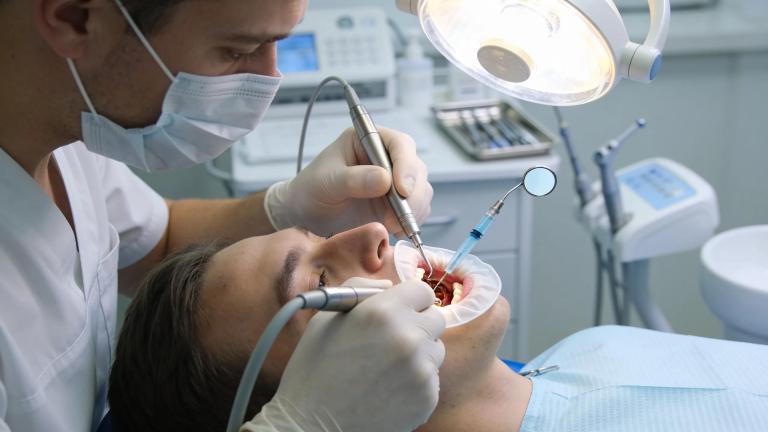
The process of root canal therapy usually involves several stages. Initially, a consultation and thorough examination are conducted to evaluate the extent of the issue. X-rays may be taken to confirm any infection or pulp damage. Following the examination, a numbing agent is administered to ensure patient comfort throughout the procedure.
The actual treatment involves the removal of infected or damaged pulp from inside the tooth. After cleaning the canal system, it is thoroughly disinfected and sealed with a filling material to prevent future infections. Finally, a crown or restoration may be placed to protect and restore the tooth’s function.
Understanding these steps is essential for patients preparing for root canal treatment.
Patient Experience

Patients undergoing root canal therapy should expect a supportive environment prioritizing their comfort and well-being. Most practices, including Anodyne Endodontics, emphasize a patient-first approach, ensuring that all concerns are addressed before and during the treatment process.
Typically, the procedure takes about 1-2 hours, depending on the complexity of the case. Many patients report minimal discomfort during the process, thanks to the use of modern anesthetics and techniques designed to reduce anxiety.
After the procedure, patients can usually resume normal activities within a day or two, making this treatment a convenient option for addressing dental issues without significant downtime.
What Is Root Canal Therapy and How Does It Preserve Your Natural Teeth?
Root canal therapy is a dental procedure designed to remove infected or damaged pulp tissue from within a tooth. The primary goal is to eliminate pain and save the natural tooth, thus keeping the surrounding jawbone and gums healthy.
What is Root Canal Therapy?
In essence, root canal therapy involves the extraction of the tooth’s pulp, which contains nerves and blood vessels. Infection or damage to this tissue can cause severe pain and lead to further complications if left untreated. The primary benefits of the procedure include pain alleviation, tooth preservation, and the prevention of infection spreading to adjacent teeth.
How Does It Preserve Natural Teeth?
The preservation of natural teeth undergoes a critical mechanism through root canal therapy. By removing the infected pulp and sealing the tooth, the procedure effectively eliminates the source of pain and infection, while retaining the structure of the tooth. This helps maintain oral functionality and prevents the need for extraction, ensuring that patients keep their natural smiles.
Procedure Involved:
The process of root canal therapy typically begins with an initial consultation. After ensuring that the patient’s comfort is a priority, anesthesia is administered for pain relief. The infected pulp is then removed, and the tooth is cleaned, disinfected, and sealed with a filling material.
Benefits of Root Canal Therapy:
Among the key advantages of opting for root canal therapy, patients can expect:
- Pain Relief: Elimination of infection results in substantial pain reduction.
- Tooth Preservation: Keeping the natural tooth structure is crucial for maintaining aesthetics.
- Long-Term Success: With proper aftercare, the likelihood of successful treatment is very high.
Aftercare Required:
Proper aftercare is essential to ensure successful outcomes after root canal procedures. Patients are often advised to manage discomfort using prescribed pain medications, maintain good oral hygiene, and follow up with professional exams to monitor recovery.
How Does Root Canal Therapy Treat Tooth Infection and Pulp Damage?
Root canal therapy is primarily aimed at addressing tooth infection and pulp damage effectively. By intervening early, patients can prevent more severe issues that could necessitate tooth extraction.
Examples of Conditions Treated:
The types of conditions suitable for root canal therapy include:
- Severe Tooth Decay: When dental caries extends to the pulp chamber, root canal therapy is essential.
- Trauma to Teeth: Injury causing pulp exposure can lead to inflammation or infection.
- Repeated Dental Procedures: Multiple treatments on a tooth can weaken the pulp, making it susceptible to infection.
Potential Outcomes:
The outcomes of root canal therapy can profoundly impact long-term oral health. Patients typically experience significant pain relief, improved dental function, and a lower risk of complications. Many patients also provide feedback indicating improved overall dental health, helping to restore confidence in their smiles.
Who Is Eligible for Root Canal Treatment in Bloomingdale?
Most individuals experiencing symptoms related to tooth infection or pulp damage are candidates for root canal therapy. However, specific factors are considered during the evaluation process, including overall health, medical history, and the extent of dental damage.
Individuals with signs of tooth infection, such as prolonged sensitivity to hot or cold, swelling in the gums, or persistent pain, should seek an evaluation by an endodontist to determine if they require root canal treatment.
Which Advanced Endodontic Procedures Enhance Treatment Outcomes?

Advancements in endodontic procedures contribute significantly to improving root canal therapy outcomes. Techniques such as digital imaging and 3D cone beam computed tomography are utilized to enhance diagnostic precision, allowing for better treatment planning.
Additionally, newer materials and methods employed during the procedure, such as bioceramic sealing materials, improve the sealing of the canals, ensuring enhanced infection resistance and promoting stronger tooth structure retention.
What Is Apical Microsurgery and When Is It Recommended?
Apical microsurgery, also known as endodontic microsurgery, is a minimally invasive procedure aimed at treating complex cases where standard root canal therapy may not be sufficient. Indications for this procedure include persistent infection after standard treatment or anatomical issues that make sealing the root ends difficult.
This advanced approach utilizes a microscope for enhanced visibility, allowing endodontists to precisely address the apex of the tooth root, ultimately improving the chances of successful treatment.
How Does Retreatment Improve Root Canal Success Rates?
Sometimes, retreatment is necessary when a previous root canal has failed to resolve the issue effectively. This can occur due to various factors, including incomplete removal of the infected tissue or new infections following treatment. During retreatment, a thorough examination is done, and the existing filling material is removed to access and clean the inner channels again.
Retreatment statistics indicate improved success rates for cases addressed with careful evaluation and planning. Patients can benefit from advanced techniques and technologies available today, ensuring the best outcomes for previously treated teeth.
What Pediatric Pulp Therapy Options Preserve Children’s Primary Teeth?
Pediatric pulp therapy provides specialized care aimed at preserving children’s primary teeth until they naturally fall out. Techniques such as pulpotomy or pulpectomy may be employed, allowing for the treatment of pulp conditions while maintaining the integrity of the child’s bite.
When Is Pulp Therapy Indicated for Pediatric Patients?
Pulp therapy in children is typically indicated when there are signs of decay adversely affecting the pulp. It is essential to address these concerns promptly to avoid pain and ensure healthy development.
How Do Gentle Techniques Promote Comfort in Pediatric Endodontics?
Techniques emphasizing minimal invasiveness and maximum comfort are crucial in pediatric endodontics. Specialized sedation methods and child-friendly environments help create positive experiences for young patients, paving the way for a lifetime of healthy dental habits.
Why Choose Anodyne Endodontics for Your Root Canal Therapy?
Choosing the right endodontist is vital for successful root canal therapy. Anodyne Endodontics in Bloomingdale, IL, stands out due to its commitment to patient care, advanced technology, and a thorough understanding of endodontic procedures. With a focus on patient education, our team strives to empower individuals with knowledge about their treatment options.
How Does Cutting-Edge Technology Support Minimally Invasive Procedures?
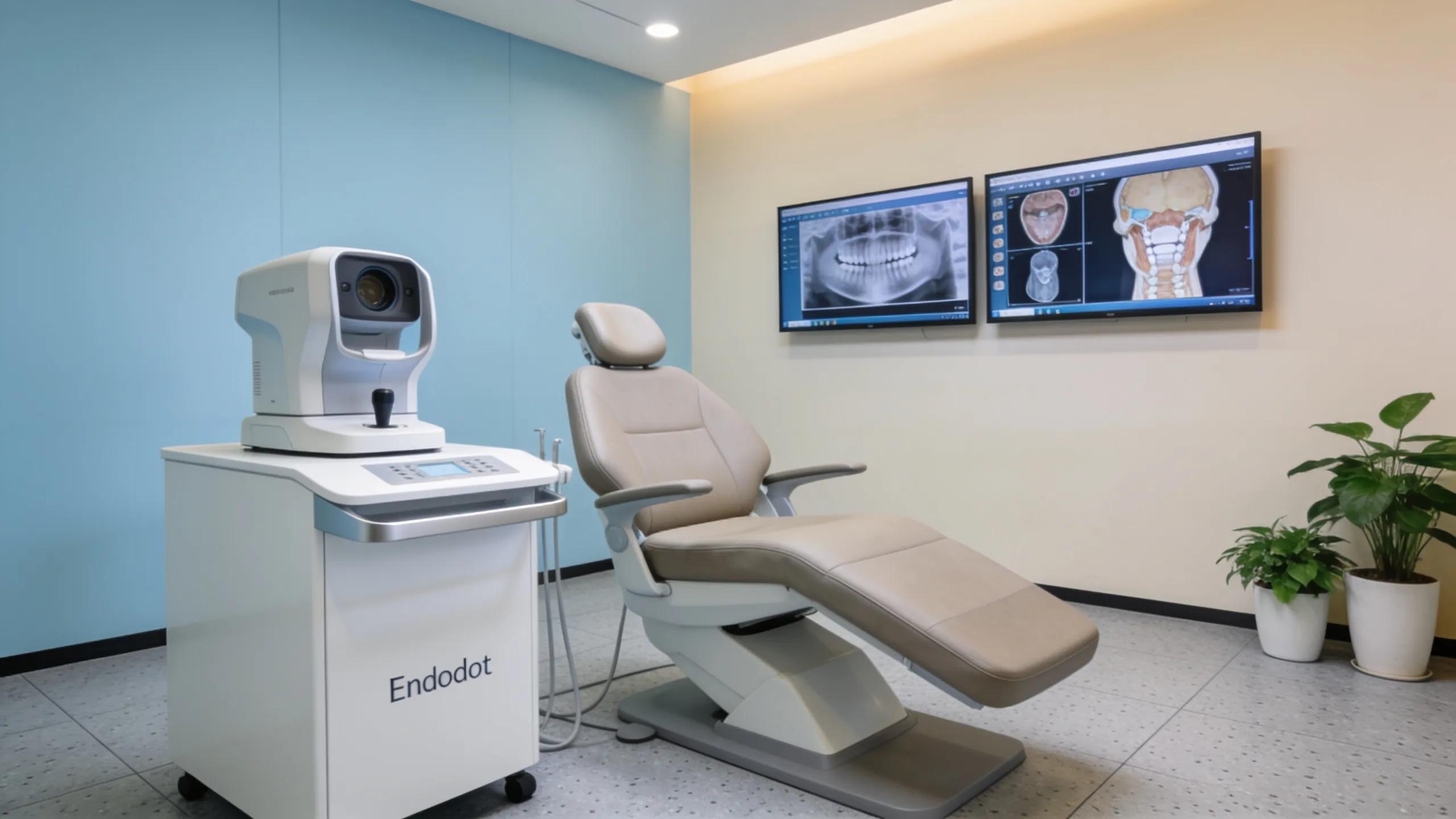
Anodyne Endodontics utilizes state-of-the-art technology, which supports minimally invasive practices. By employing tools such as digital x-rays and 3D imaging, the precision in diagnosis and treatment promotes better patient outcomes while ensuring comfort.
What Credentials and Experience Do Our Endodontists Offer?
The endodontists at Anodyne Endodontics bring a wealth of experience and specialized training to each case. Their expert credentials ensure that patients receive the highest level of care tailored specifically for their dental needs.
How Can General Dentists Refer Patients to Anodyne Endodontics?
General dentists play a crucial role in the referral process, often identifying patients in need of advanced endodontic care. Anodyne Endodontics maintains an open line of communication with referring dentists, ensuring a seamless transition for patients needing specialized treatment.
What Are the Best Practices for Endodontist Referral in the Western Chicago Suburbs?
Best practices for referral involve timely communication, clear patient history documentation, and collaboration to ensure continuity of care. By working closely together, general dentists and endodontists can enhance patient experiences and treatment success.
How Does Anodyne Endodontics Facilitate Referral Coordination and Patient Care?
Anodyne Endodontics strives for seamless coordination with general dentists throughout the patient experience. Our office prioritizes open communication, ensuring that both the referring dentist and patient stay informed at every step of the treatment process.
What Are Frequently Asked Questions About Root Canal Therapy in Bloomingdale?
What Are the Signs Indicating the Need for Root Canal Therapy?
Common signs that may indicate the need for root canal therapy include:
- Severe Tooth Pain: Intense or prolonged pain in or around the tooth.
- Sensitivity: Extended sensitivity to temperature changes, especially hot or cold.
- Swelling and Tenderness: Swelling in the gums or jaw suggesting infection.
How Long Does Root Canal Treatment Take and What Is the Recovery Process?
Root canal treatment generally takes about 1 to 2 hours, depending on the complexity of the case. Recovery times vary, but many patients report returning to normal activities within a day or two. Following the procedure, some discomfort may occur, but this is typically manageable with over-the-counter pain relievers.