Endodontic Doctor Services: Expert Root Canal Treatment & Emergency Care Near You

Endodontic Doctor Services: Expert Root Canal Treatment & Emergency Care Near You
By Zainab Aziz, Anodyne Endodontics
Endodontic doctors diagnose and treat problems with the dental pulp, making them the go-to specialists for root canal procedures and urgent tooth pain. This article explains what they do, the treatments they offer, and why their skills matter for managing tooth pain. It also covers treatment steps, typical costs, and how Anodyne Endodontics delivers these services when timely care matters.
Key Takeaways
- Endodontic doctors specialize in diagnosing and treating dental pulp issues, focusing on root canal therapy and emergency care.
- Root canal therapy involves removing infected pulp, cleaning, shaping, and sealing the canal to preserve the tooth.
- Board-certified endodontists use advanced techniques and prioritize patient comfort for effective tooth pain management.
- Emergency root canal appointments address severe pain and swelling with prompt assessment and immediate treatment when possible.
- Root canal treatment costs vary by tooth type, complexity, and region, with insurance often covering partial expenses.
- Referral coordination between general dentists and endodontists ensures seamless patient care and effective treatment planning.
- Post-treatment care includes managing mild discomfort with cold compresses, pain relief, and a soft diet for optimal recovery.
- Anodyne Endodontics offers flexible scheduling, streamlined emergency protocols, and patient comfort measures for specialized care.
- Continuous communication between Anodyne and referring dentists supports timely emergency care and high-quality patient outcomes.
What Does an Endodontic Doctor Do for Root Canal Treatment?
An endodontist is trained to manage complex issues inside the tooth—the pulp and root system. They diagnose pulp disease, plan treatment, and perform procedures aimed at saving the natural tooth and relieving pain.
Common procedures include root canal therapy, retreatment of previously treated teeth, and emergency root canals. The goal is to remove infection, protect the remaining tooth structure, and restore comfort while avoiding extraction when possible.
How Do Endodontists Perform Root Canal Therapy?

The root canal process is organised and centred on patient comfort. Below are the main steps involved:
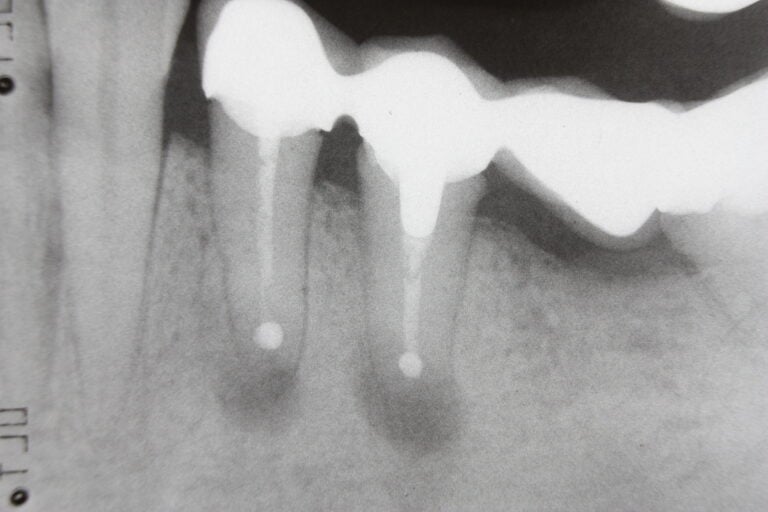
- Initial Evaluation and Imaging: The endodontist examines the tooth, often using X-rays to assess the condition of the pulp and root canals.
- Anesthesia: Local anesthesia is applied to ensure the patient remains pain-free throughout the procedure.
- Accessing the Canal: The endodontist creates an opening in the tooth to access the root canal system.
- Cleaning and Sealing: The infected pulp is carefully removed, and the canal is cleaned, shaped, and then sealed with a filling material called gutta-percha.
- Post-Treatment Instructions: Patients are provided with aftercare instructions to facilitate recovery and minimize discomfort.
Following these steps restores the tooth’s function and reduces the risk of further infection, showing why specialist care matters.
Why Choose a Board-Certified Endodontic Doctor for Tooth Pain Specialist Care?
Board certification shows the endodontist has completed extra training and testing beyond dental school. That translates to focused expertise in treating pulp-related conditions.
This advanced training lets endodontists use specialised tools and techniques—digital imaging, microscopes, and modern pain-control methods—to improve accuracy and comfort. The result is better tooth preservation and fewer complications.
How Can I Schedule an Emergency Root Canal Appointment?
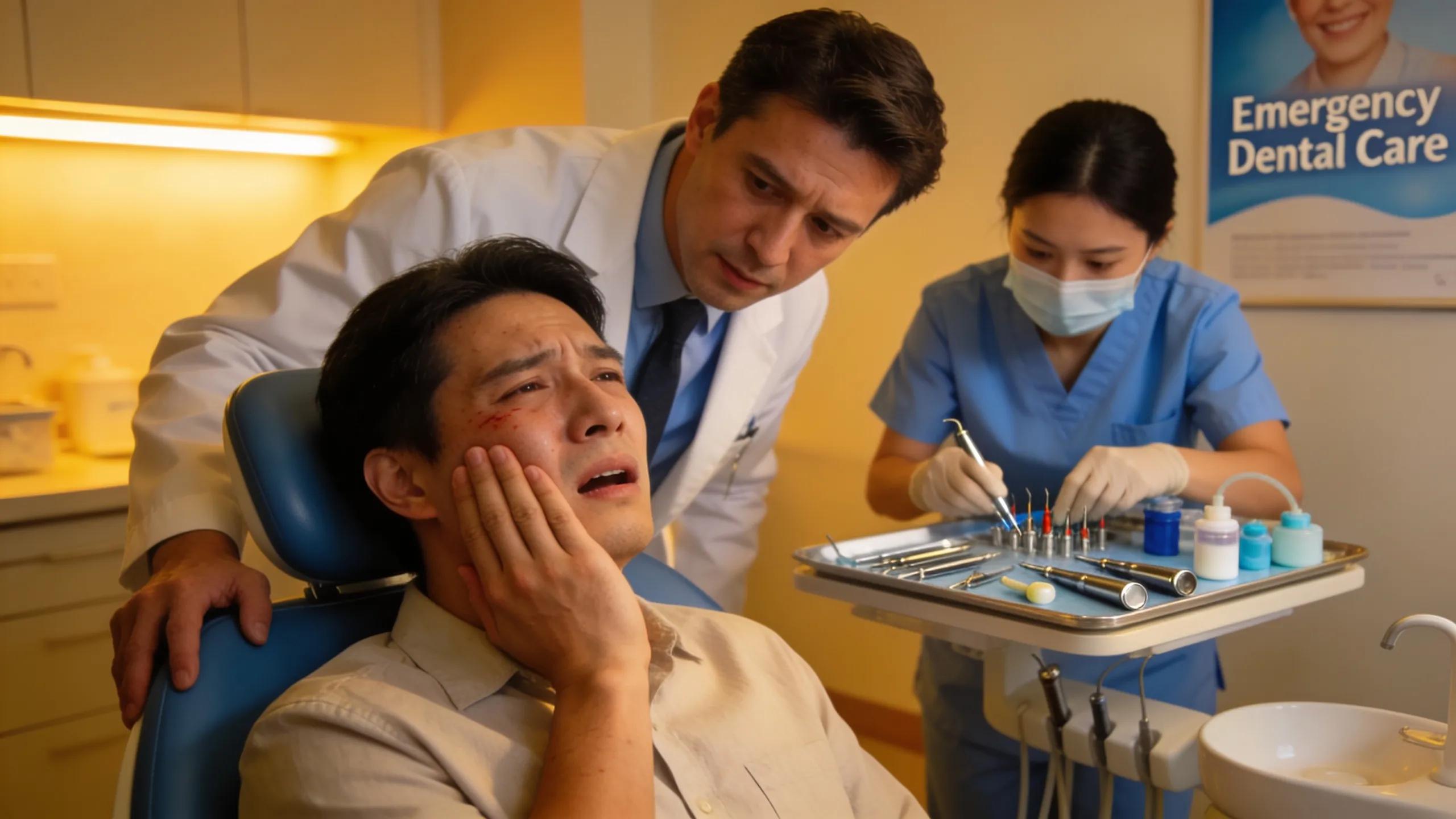
When severe pain, swelling, or trauma occurs, prompt assessment is essential. These symptoms often indicate the need for emergency endodontic care.
To schedule an emergency visit, contact Anodyne Endodontics at (659) 266-3963 (659-266-3963). Early contact helps the team prepare and deliver timely treatment.
What Are the Steps for Same-Day Emergency Endodontic Care?
During a same-day emergency visit, the endodontist follows a clear process to identify and address the issue:
- Assessment and Diagnosis: The endodontist evaluates the patient’s condition, often with imaging to visualize the underlying issues.
- Immediate Treatment: If possible, treatment begins during the same visit to alleviate pain and address the cause of the emergency.
- Post-Treatment Care: The patient receives instructions on care and any necessary follow-up visits to ensure healing.
This approach helps control pain quickly and moves the patient toward recovery in a single visit when feasible.
How Quickly Can an Endodontic Office Relieve Severe Tooth Pain?
Endodontists use a fast assessment to pinpoint the source of severe pain and recommend the right treatment. Rapid diagnosis is the first step to relief.
Relief timelines vary with case complexity, but many patients feel noticeable improvement soon after treatment begins. Modern anaesthesia and pain control keep the experience comfortable.
What Is the Cost of Endodontic Therapy and Insurance Coverage?
Root canal costs depend on tooth type, complexity, and location. Typical price ranges can be $300 to $2,500, depending on these factors.
Insurance often covers part of the cost, but coverage varies. Patients should check their policy details to estimate out-of-pocket expenses.
Which Factors Affect Root Canal Treatment Prices Near Me?
Price differences stem from several factors, including:
- Type of Tooth: Front teeth are generally simpler and less costly than molars.
- Previous Treatments: Prior work can increase complexity and cost.
- Regional Price Variations: Local market rates and office overhead affect fees.
These elements together determine the final treatment price.
Does Insurance Typically Cover Endodontic Services?
Insurance coverage varies by plan. Many insurers recognise root canal therapy as a necessary procedure and provide partial or full coverage under certain plans.
Review your policy for limits, copays, and exclusions. Confirming coverage before treatment prevents surprise expenses.
How Does the Endodontic Office Referral Process Work for Dentists?
The referral process is built to ensure smooth transitions from a general dentist to the endodontic specialist for focused care.
Referring dentists share the patient’s medical and dental history, treatment notes, and any imaging. That information helps the endodontist plan and prioritise appropriate care.
What Information Do Referring Dentists Need to Provide?
Referrals should include these essentials:
- Patient’s Medical and Dental History: Key for assessing risks and tailoring care.
- Treatment Records and Previous Imaging: Critical for accurate diagnosis and planning.
- Contact Information for Follow-Up: Ensures coordinated communication after treatment.
Complete documentation speeds up evaluation and leads to better coordinated care.
How Are Patients Coordinated Between General Dentists and Endodontic Doctors?
Coordination focuses on clear communication and efficient intake so patients move quickly from referral to treatment.
- Direct Contact Methods: Effective communication channels are established for timely referrals and information sharing.
- Patient Intake Process at Anodyne Endodontics: New patient intake includes thorough assessments based on the provided information.
- Post-Treatment Communication Strategies: Continuous communication ensures that all parties are informed of the treatment outcomes and any further needs.
This teamwork helps ensure consistent care and better outcomes for patients.
What Are the Best Practices for Root Canal Recovery and Pain Relief?
Aftercare is key to a smooth recovery. Clear instructions and simple steps help reduce discomfort and support healing.
How Long Does Tooth Pain Last After Endodontic Therapy?
Mild discomfort is common and usually subsides within a few days to a week. Duration depends on how complex the case was and individual healing.
If pain continues beyond the expected timeframe or worsens, contact your endodontist for follow-up evaluation.
Which Home Care Tips Help Manage Discomfort After a Root Canal?
Simple at-home measures can ease recovery, such as:
- Cold Compress Application: Helps reduce swelling and numb soreness.
- Over-the-Counter Pain Relief: Use recommended pain relievers to control discomfort.
- Soft Diet: Avoid hard or chewy foods while the tooth heals.
These steps support healing and keep discomfort manageable after treatment.
Why Choose Anodyne Endodontics for Specialized Endodontic Doctor Services?
Anodyne Endodontics focuses on endodontic care with experienced clinicians and a commitment to techniques that improve outcomes and patient comfort.
What Convenience Features Does Anodyne Offer for Root Canal Consultations?
Anodyne provides practical features to make care easier for patients:
- Flexible Scheduling Options: Patients have the ability to book appointments that fit their schedules, including emergency slots.
- Streamlined Emergency Care Processes: Quick response times for urgent situations ensure that patients receive timely treatment.
- Patient Comfort Measures: The office prioritizes patient comfort with approaches and amenities designed to reduce anxiety during visits.
These conveniences help patients get timely care with less stress.
How Does Anodyne Support Referring Dentists and Emergency Care Needs?
Anodyne works closely with referring dentists to simplify referrals and speed emergency treatment when needed.
- Effortless Communication for Referrals: The clinic emphasizes clear communication between general dentists and the endodontic team.
- Emergency Protocols for Immediate Patient Care: Established fast-track procedures ensure that referred patients are treated promptly.
- Support and Feedback Mechanisms: Continuous engagement with referring dentists maintains high standards of care and enhances patient management.
That collaboration supports faster treatment and better long-term outcomes for patients.
Frequently Asked Questions
What are the signs that I may need a root canal?
Signs that may indicate a root canal include ongoing toothache, lingering sensitivity to hot or cold, swelling or tenderness in nearby gums, and darkening of the tooth. If you notice severe pain, visible infection, or pus, seek an endodontic evaluation promptly.
How can I prepare for a root canal appointment?
Before your appointment, avoid heavy meals for a short time if sedation is planned. Tell your endodontist about medications, allergies, and medical history. Arrive a few minutes early to complete forms and reduce stress, and arrange transport if sedation will be used.
Can root canals fail, and what happens if they do?
Root canals are usually successful, but failure can occur from reinfection or healing complications. If a procedure fails, the endodontist may recommend retreatment to clean and reseal the canal, or extraction if retreatment isn’t viable. Regular oral care and check-ups lower the risk of problems.
Are there alternatives to root canal treatment?
Alternatives include extraction of the affected tooth, which may be followed by options like dental implants or bone grafting to restore function and appearance. Discuss pros and cons with your endodontist before deciding.
What can I expect during recovery from a root canal?
Recovery typically involves mild discomfort for a few days, manageable with recommended pain relief. Stick to a soft diet and avoid hard foods until you’re comfortable. Follow any specific aftercare instructions from your clinician.
How does the technology used in root canal therapy improve outcomes?
Tools like digital imaging and rotary instruments enhance accuracy and speed. Better visuals and more precise shaping improve treatment planning and comfort, which can lead to higher success rates.
When should I visit an endodontist instead of my general dentist?
Visit an endodontist for severe tooth pain, recurring issues with one tooth, or when your dentist recommends specialist care due to complexity. Your dentist will coordinate the referral and share relevant records.
Conclusion
Choosing a board-certified endodontist gives you specialist care focused on pain relief and preserving your natural tooth. Knowing the likely costs and insurance factors helps with planning. Anodyne Endodontics provides emergency support, patient-focused comfort, and clear communication with referring dentists. Contact the office to schedule an appointment and receive targeted endodontic care.