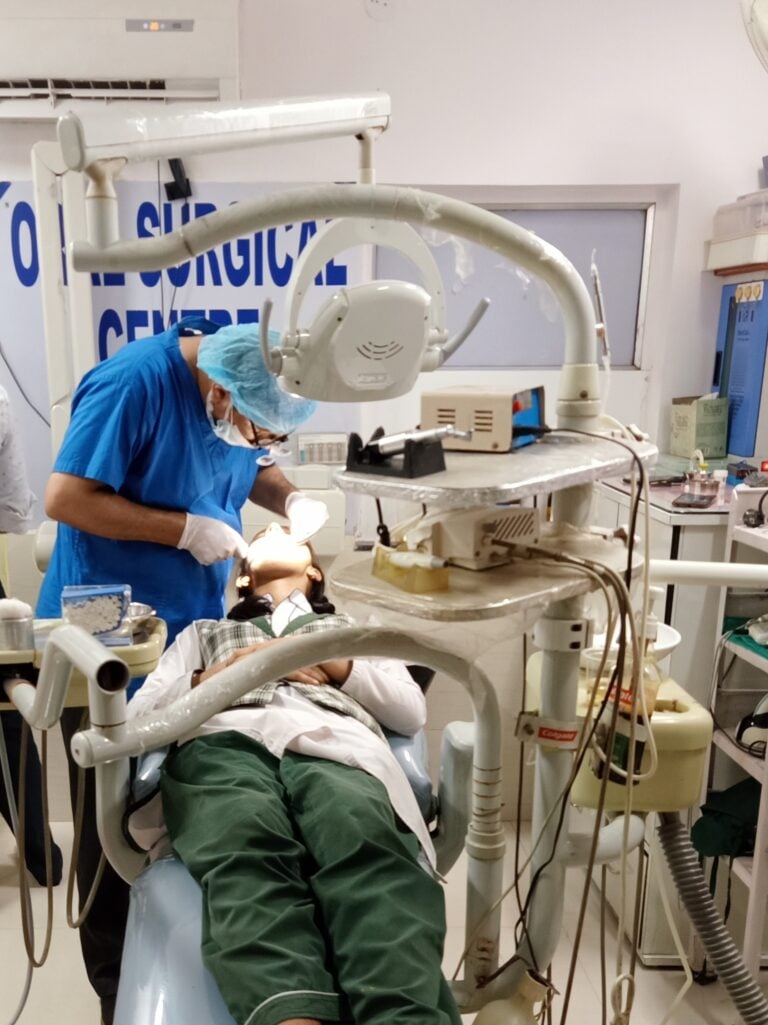
Comprehensive Guide to Endodontic Procedures: Root Canal Symptoms, Treatment Options, Costs, and Recovery Tips

Comprehensive Guide to Endodontic Procedures: Root Canal Symptoms, Treatment Options, Costs, and Recovery Tips
By Zainab Aziz, Anodyne Endodontics
Endodontic procedures treat infection or damage to the dental pulp to prevent complications and save the natural tooth. This guide covers the common symptoms that point to a root canal, the treatment choices available, typical costs, and practical recovery tips. Knowing what to expect reduces anxiety and helps you prepare for a smoother treatment experience.
Key Takeaways
- Root canal symptoms include persistent toothache, sensitivity to temperature, and gum swelling indicating dental pulp infection.
- Dentists diagnose root canal issues using patient history, clinical exams, and imaging like X-rays for accurate assessment.
- Root canal therapy removes infected pulp, cleans the tooth interior, and seals it with gutta-percha to preserve the tooth.
- Innovations in endodontics include 3D imaging, laser-assisted treatments, and biocompatible materials improving outcomes and comfort.
- Root canal costs vary by tooth type and complexity, ranging from $800 to $1,800, with additional fees for diagnostics.
- Most dental insurance plans cover 50% to 100% of root canal treatment costs, often depending on provider networks.
- Post-treatment recovery involves pain management with medications, cold compresses, and monitoring for unusual symptoms.
- Emergency endodontic care is necessary for severe pain, swelling, fever, or infection signs to prevent complications.
- Effective referrals between general dentists and endodontists ensure coordinated care and improved patient treatment outcomes.
What Are the Common Signs and Symptoms Indicating You Need a Root Canal?
Timely detection matters. Key signs include a persistent toothache, temperature sensitivity, and swollen gums. These point to inflammation or infection of the dental pulp and warrant prompt evaluation to avoid worse problems.
Recognizing Root Canal Symptoms: Dental Pulp Inflammation and Pain Indicators

Pulp inflammation often shows as a lingering ache that worsens when you bite or apply pressure. Heightened sensitivity to hot or cold is another common sign. Catching these symptoms early reduces the chance of abscess formation or tooth loss.
How Do Dentists Diagnose Root Canal Issues?
Diagnosis combines your history, a clinical exam, and imaging such as X-rays to spot infections, cracks, or other issues. Exam findings and imaging together guide the decision for endodontic treatment.
What Are the Endodontic Treatment Options Available Today?
Options aim to preserve the natural tooth whenever possible. Root canal therapy is the standard treatment: it removes infected pulp, disinfects the canal, and seals the tooth. New techniques and materials also help improve results and patient comfort.
How Does Root Canal Therapy Work Step-by-Step?
The procedure usually begins with local anaesthetic to limit discomfort. The dentist opens the tooth, removes infected pulp, cleans and disinfects the canals, and fills them with gutta-percha. A crown is often placed afterward to restore strength and appearance.
What Are the Latest Innovations in Endodontic Treatments?
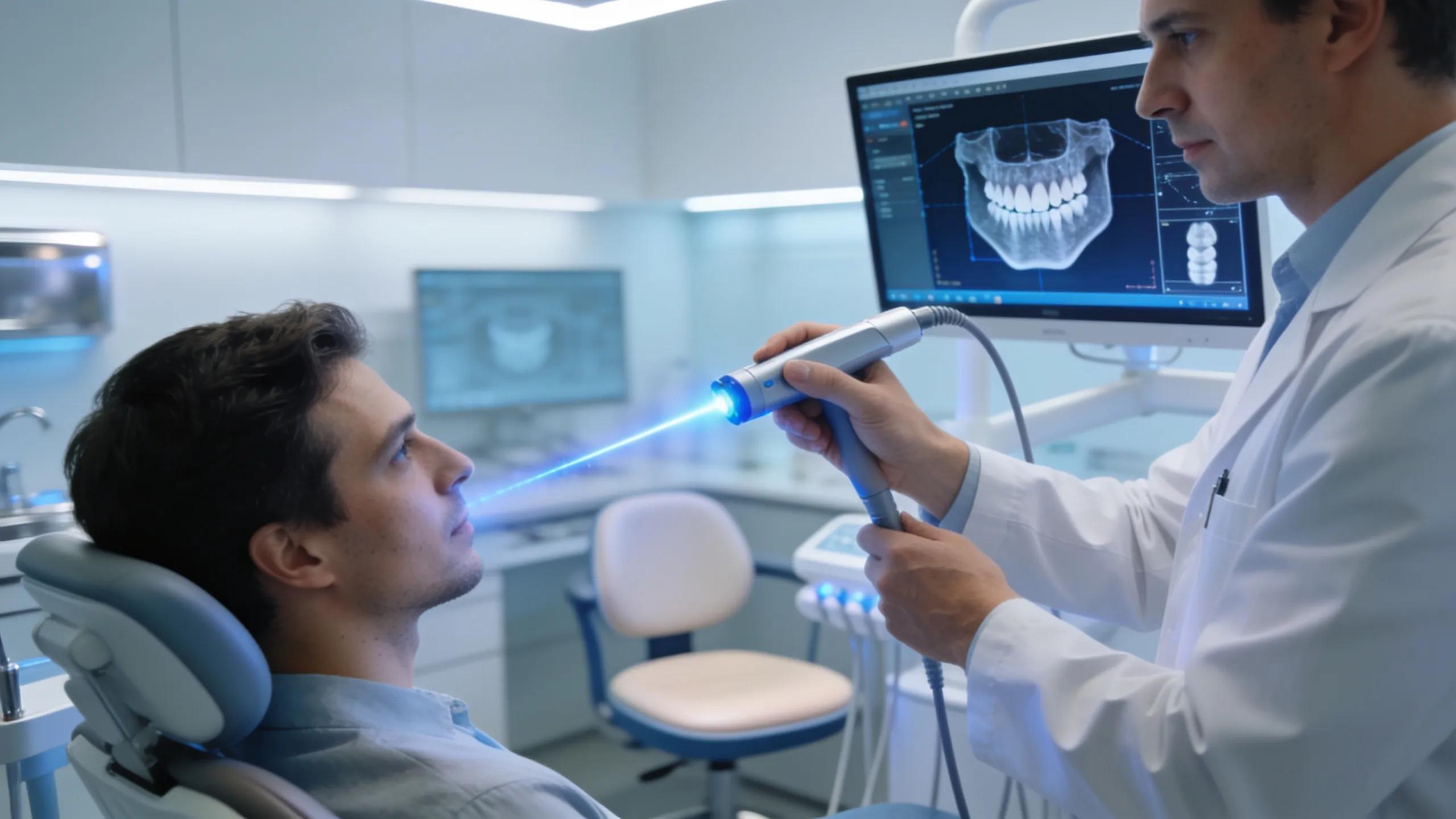
Recent advances include biocompatible materials that aid healing, 3D imaging for better diagnostics, and laser-assisted techniques that increase precision. These improvements often mean quicker recovery and less discomfort.
How Much Does a Root Canal Cost and What Insurance Covers It?
Cost depends on the tooth, case complexity, and location. For a single-root canal, expect roughly $800 to $1,500. Knowing these factors helps you plan financially for treatment.
Cost Comparison of Root Canal Procedures and Associated Fees
Procedure complexity drives price—molars typically cost more than front teeth because they are harder to treat. Additional fees may apply for X-rays or consultations. The table below shows estimated cost ranges for different tooth types.
Knowing these cost variables helps you budget and discuss payment or treatment options with your dental provider.
What Insurance Plans Typically Cover Endodontic Treatment?
Many dental insurance plans cover root canal therapy, though coverage varies. Typical plans pay between 50% and 100%, often more when using in-network providers. Confirm your benefits with your insurer and dentist before treatment.
What Are the Essential Root Canal Recovery Tips for Patients?
Follow aftercare instructions to support healing and reduce discomfort. Simple steps during recovery can improve outcomes and speed return to normal activity.
Managing Pain and Promoting Healing After Endodontic Procedures
You can expect some post-treatment soreness. Over-the-counter pain relievers such as ibuprofen or acetaminophen usually control discomfort. A cold compress can reduce swelling. Stick to your dentist’s aftercare plan for the best recovery.
How to Recognize and Handle Post-Treatment Symptoms
Monitor for persistent pain, increasing swelling, or fever—these are warning signs. Early reporting of unusual symptoms lets your dentist evaluate and address any complications quickly.
How Can You Access Emergency Same Day Endodontic Appointments?
Knowing how to get urgent care matters when pain or infection strikes. Quick access can limit complications and ease severe symptoms.
When Is Emergency Endodontic Care Needed?
Seek emergency care for severe pain, unexplained swelling, high fever, or visible infection in the gums. Prompt treatment can prevent tooth loss and more serious health issues.
What Is the Process for Scheduling an Emergency Appointment at Anodyne Endodontics?
To schedule an emergency visit, call the office and describe your symptoms. Have any dental records and insurance details ready to speed triage and treatment.
How Do General Dentists Refer Patients for Specialized Endodontic Care?
General dentists are key to referring patients who need specialist endodontic care. A clear referral process improves continuity and outcomes for patients.
What Are the Best Practices for Dental Referral Communication?
Effective referrals include sharing the patient’s history, treatment notes, and diagnostic images. Clear information helps endodontists assess the case quickly and plan appropriate care.
How Does the Referral System at Anodyne Endodontics Facilitate Patient Care?
Anodyne Endodontics uses a structured referral process to streamline transitions from general dentists to specialists. This approach shortens wait times, supports coordinated follow-up, and improves overall patient care.
Frequently Asked Questions
1. What should I expect during my first consultation for a root canal?
Your first visit includes a clinical exam, review of your dental history, and diagnostic imaging such as X-rays. The dentist will outline treatment options, timing, and costs. Use this time to ask about pain control, recovery, and any concerns you have.
2. How long does a root canal treatment typically take?
Most root canals take about 60 to 90 minutes, depending on complexity. Front-tooth treatments are often quicker than molar procedures. You may need follow-up visits for a crown or further checks.
3. Are there any risks associated with root canal procedures?
Risks exist but are uncommon. Possible issues include persistent infection, incomplete cleaning, or damage to nearby structures. Choosing an experienced clinician and following aftercare lowers these risks. Contact your dentist if you notice unexpected symptoms.
4. How can I alleviate my anxiety about undergoing a root canal?
Talk openly with your dentist about your fears. Techniques like deep breathing, calming music, and distraction help some patients. Sedation options—nitrous oxide or oral sedatives—are available for those who need them.
5. What should I avoid eating after a root canal?
Avoid hard, crunchy, or hot foods while numb to prevent bites or burns. Choose soft items like yogurt, applesauce, or mashed potatoes, and limit sugary foods that may irritate the area. Follow any specific dietary advice from your dentist.
6. Can a root canal fail, and what happens if it does?
Although root canals usually succeed, failure can occur if infection persists or the seal fails. Symptoms include ongoing pain. Options include retreatment, an apicoectomy, or extraction, depending on the situation. Regular follow-ups help catch problems early.
7. How do I maintain my dental health after a root canal?
Maintain good oral hygiene—brush twice daily and floss—to protect the treated tooth. Follow your dentist’s aftercare, take prescribed medications, and attend regular check-ups to monitor healing and prevent new issues.
Conclusion
Knowing the signs, treatments, costs, and recovery steps for endodontic care helps you make confident choices and reduces worry. Early diagnosis and regular check-ups preserve natural teeth. Talk with your dentist to review your options and schedule an appointment when needed.