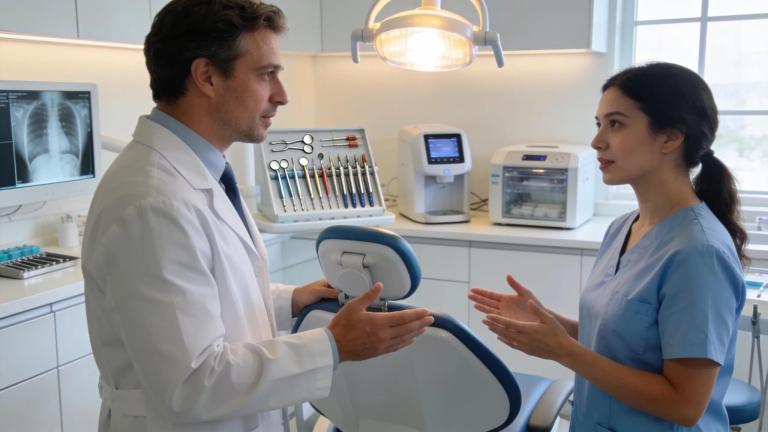
Expert Endodontic Services Near Me: Find Root Canal Specialists, Cost, Symptoms, and Pain Relief Tips

Expert Endodontic Services Near Me: Find Root Canal Specialists, Cost, Symptoms, and Pain Relief Tips
By Zainab Aziz, Anodyne Endodontics
Endodontic services preserve dental health by treating the tooth pulp and the tissues around the root. They include root canal therapy, which relieves pain and can save teeth from extraction, improving quality of life. Whether you have symptoms that need prompt attention or want expert guidance, understanding endodontic care and how to find a skilled endodontist shapes your dental journey. This article covers costs, common symptoms, practical pain-relief tips, and the steps of a root canal, and it explains how to tell endodontic issues apart from other dental problems.
Key Takeaways
- Endodontic services focus on treating dental pulp and root tissues to save teeth and relieve pain effectively.
- Root canal treatment costs vary by tooth type, previous treatments, and insurance coverage details.
- Common symptoms requiring endodontic care include persistent toothache, temperature sensitivity, and gum swelling.
- Pain relief strategies include over-the-counter medications, cold compresses, and avoiding extreme or sugary foods.
- Endodontic pain is typically sharp, localized, and persistent, distinguishing it from general dental issues.
- The root canal procedure involves consultation, cleaning and sealing canals, followed by post-treatment restorative care.
- Emergency endodontic care is vital for sudden pain, swelling, or dental trauma and requires prompt specialist contact.
- Qualified endodontists use advanced training and technology to provide precise, patient-centered dental treatments.
Associated Costs

Knowing root canal costs helps with decision-making and financial planning. The total price can vary based on several factors, including:
- Tooth Type: Treatments for molars are usually more expensive due to their complexity, while front teeth may require less intensive procedures.
- Previous Treatments: Prior dental history can influence costs, especially if complications arise from previous procedures.
- Insurance Coverage: Many insurance policies cover a portion of endodontic services, significantly affecting out-of-pocket expenses.
Talk with your dental provider about potential costs so you clearly understand your financial obligations.
If you need a consultation or an emergency appointment, Anodyne Endodontics offers professional endodontic care tailored to your needs.
Common Symptoms Indicating the Need for Endodontic Treatment
Spotting signs early leads to faster treatment and pain relief. Common symptoms include:
- Persisting Toothache: A continuous dental pain often indicates infection or damage to the pulp.
- Sensitivity to Temperature: Prolonged sensitivity, especially to hot or cold, can suggest underlying pulp issues.
- Swelling on the Gum: Visible swelling around the affected tooth is a strong indicator of infection that may require endodontic intervention.
If you have these symptoms, see your dentist for diagnosis and an appropriate referral to a specialist.
General dentists can refer patients to Anodyne Endodontics to connect them with specialist care and ensure prompt, effective treatment.
Effective Tips for Pain Relief

While you wait for treatment, try these pain-management strategies:
- Over-the-Counter Pain Relievers: Medications like ibuprofen or acetaminophen can reduce inflammation and alleviate discomfort.
- Cold Compress Application: Applying a cold compress to the outside of the cheek can help numb the area and reduce swelling.
- Avoidance of Certain Foods: Steer clear of extremely hot, cold, or sugary foods that can exacerbate sensitivity.
These measures often provide meaningful temporary relief until professional care is available.
How to Differentiate Endodontic Symptoms from Other Dental Issues?
Telling endodontic problems apart from other dental issues is key to getting the right treatment. Consider the following:
- Specificity of Symptoms: Endodontic pain is typically sharp and localized compared to general toothaches.
- Duration of Issues: Persistent or worsening symptoms over days can indicate an endodontic problem rather than a regular dental issue.
- Referral to Specialists: If symptoms persist despite typical care measures, it’s advisable to see an endodontist for further evaluation.
Knowing these differences speeds up care and helps patients receive appropriate treatment quickly.
What Are the Step-by-Step Root Canal Procedure Stages?
A root canal follows several steps to treat the tooth’s interior. These stages include:
- Consultation and Imaging: The initial appointment involves taking X-rays to assess the tooth’s condition and decide on the treatment plan.
- Cleaning and Sealing the Canals: The dentist removes infected pulp, cleans and shapes the root canals, and fills them with a biocompatible material.
- Post-Treatment Care: Following the procedure, a patient may require additional visits to place a crown or restorative filling.
Knowing each step can reduce anxiety and make the process easier for patients.
How Much Does a Root Canal Cost? Pricing, Insurance, and Payment Options
Root canal costs vary depending on several factors, including:
- Location of the tooth: Treatment for molars typically costs more, often ranging from $900 to $1,500 in the United States, while anterior teeth may be less expensive.
- Insurance Coverage Details: Most dental insurance plans will cover part of the costs, so it’s crucial to verify benefits before treatment.
- Payment Options Available: Many practices offer financing options or payment plans to assist with immediate financial concerns.
Talk with your endodontist about expected costs and how your insurance may help.
How to Schedule Emergency Endodontic Care and Same Day Root Canal Appointments?
If you have a dental emergency requiring endodontic care, note the following:
- Signs of a Dental Emergency: If you experience sudden tooth pain, swelling, or trauma to the tooth, consider this a dental emergency.
- Contact Information for Appointment Scheduling: Reach out directly to Anodyne Endodontics for prompt service.
- Preparation for the Visit: Bring any relevant medical information and be ready to discuss your symptoms in detail.
Following these steps can make urgent visits run more smoothly.
What Expertise and Advanced Technologies Do Best Endodontists Offer?
Top endodontists pair extra training with advanced tools to deliver better care. Key aspects include:
- Specialized Training of Endodontists: These professionals undergo additional years of education and hands-on training to handle complex cases effectively.
- Technology in Endodontic Procedures: Many utilize advanced imaging and surgical microscopes to enhance precision during treatments and improve outcomes.
- Patient-Centered Care Approach: Best practices emphasize comfort and clear communication, ensuring patients feel supported throughout their treatment journey.
These strengths highlight why choosing a qualified endodontic specialist benefits your dental health.
Frequently Asked Questions
What can I expect during my first visit to an endodontist?
Expect a thorough exam, a review of your dental history, and a discussion of current symptoms. The endodontist will likely take X-rays to assess the root structure and pulp condition, then explain recommended treatment options and possible procedures. Use the visit to ask questions and learn what to expect if a root canal or other endodontic care is needed.
How long does a root canal procedure typically take?
A root canal usually takes about 60 to 90 minutes, depending on the case’s complexity. Time varies with the number of canals and any complications that arise. In some situations, a follow-up visit for a crown or other restorative work will add to the total treatment time.
Are there any risks associated with root canal treatment?
Root canal treatments have high success rates but carry some risks, as with any procedure. Possible complications include infection, incomplete cleaning of the canals, or damage to nearby structures. Skilled endodontists use advanced techniques to minimise these risks, and following post-treatment instructions further reduces the chance of complications.
How can I improve my recovery after a root canal?
Improve recovery by following your endodontist’s instructions and taking prescribed medications to manage pain and prevent infection. Use a cold compress to reduce swelling, eat soft foods, and avoid very hot or cold items until sensitivity eases. Gentle brushing and flossing support healing and protect the treated tooth.
What should I do if I experience pain after a root canal?
Some discomfort after a root canal is normal and usually part of healing. Over-the-counter pain relievers often manage mild pain. Contact your endodontist if pain persists, worsens, or comes with swelling or fever—these signs may indicate an infection or other complication that needs prompt attention.
How often should I visit an endodontist for check-ups?
Follow-up frequency depends on your dental needs. After a root canal, schedule a follow-up within a few weeks to monitor healing. For ongoing care, see your regular dentist every six months. Your dentist can refer you back to an endodontist if specific issues arise or advanced treatments are needed.
Conclusion
Choosing specialist endodontic care relieves pain and helps preserve your natural teeth. Knowing the costs and recognising early symptoms lets you seek timely treatment and protect your overall dental health. If you need expert care or have questions, contact Anodyne Endodontics for personalised assistance and schedule a consultation to prevent further complications.