Gentle Root Canal Therapy in Bloomingdale, IL: What to Expect & Why It Saves Your Smile
By Zainab Aziz, Anodyne Endodontics
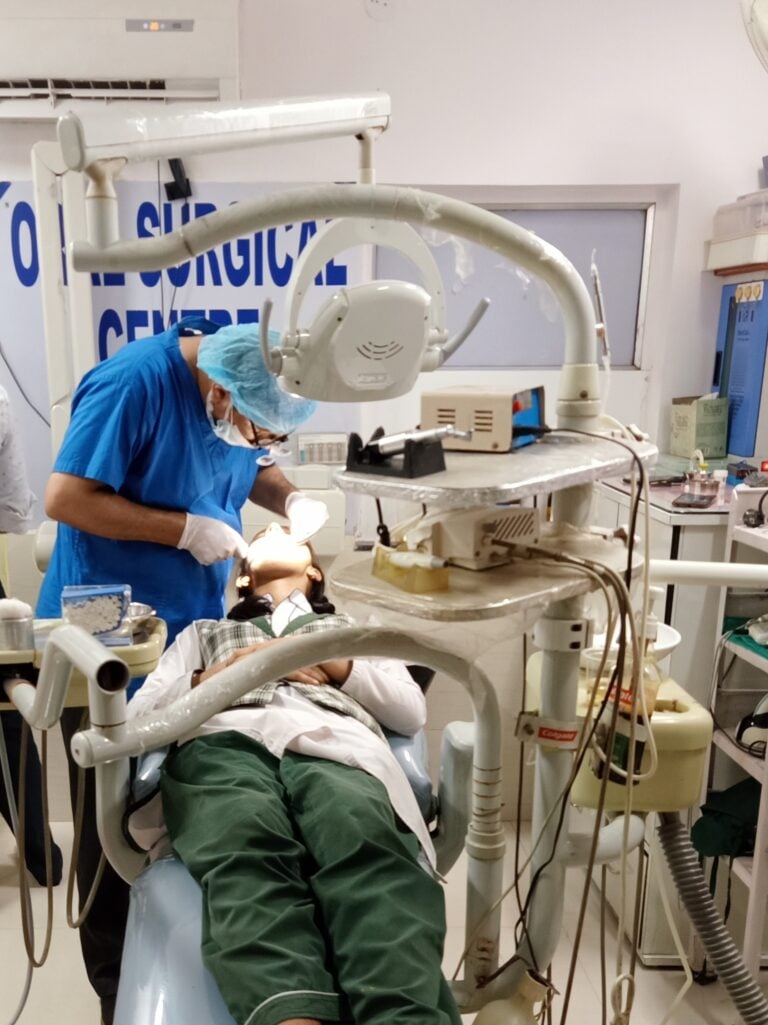
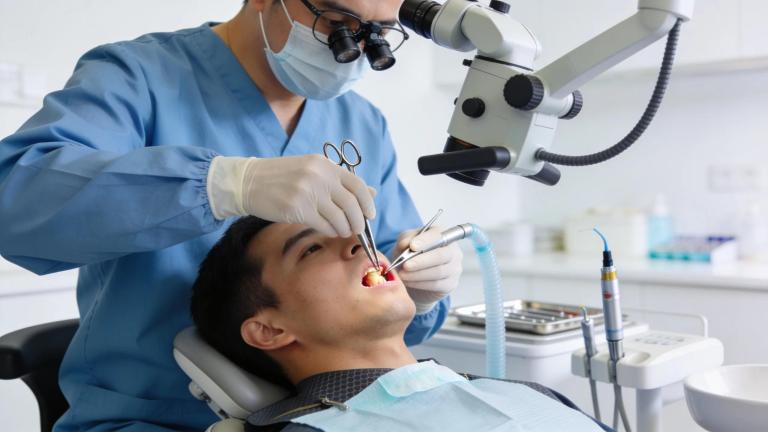
Undergoing a root canal can be daunting for many patients due to misconceptions surrounding the procedure. However, “gentle root canal therapy” is designed to prioritize patient comfort while ensuring effective treatment for infected teeth. This article provides a comprehensive guide to what you can expect during the procedure and highlights the importance of preserving your natural smile. As more individuals recognize the advantages of this advanced approach, understanding the nuances of gentle root canal therapy becomes crucial. We will explore key steps involved in the process, benefits of this therapy, the patient experience, and the advanced technologies utilized to enhance comfort. By the end, you’ll have a clear understanding of how gentle root canal therapy can save your smile.
Key Steps in the Procedure:
Gentle root canal therapy involves several systematic steps aimed at addressing infected tooth pulp effectively. These steps ensure that the procedure is thorough yet minimally invasive, significantly enhancing patient comfort. Key steps include:
- Initial Consultation: Your journey begins with a comprehensive assessment to understand your dental health and determine the need for a root canal.
- Anesthesia Application: Local anesthesia is administered to ensure you are comfortable and pain-free throughout the procedure.
- Accessing the Pulp: The dentist creates a small opening in the tooth to access the pulp chamber where infection resides.
- Removing Infected Tissue: The infected tissue is carefully removed from the pulp chamber using specialized tools.
- Cleaning and Shaping: This step involves cleaning the interior of the tooth and reshaping the canals to prepare for filling.
- Sealing the Tooth: Finally, the tooth is sealed with a rubber-like material to prevent future infections.
Each step of the process is designed to minimize discomfort while ensuring the overall success of the therapy.
Benefits of Root Canal Therapy:
Gentle root canal therapy offers several significant advantages that highlight its importance in dental care. The primary benefits include:
- Pain Relief: Patients experience immediate relief from the pain caused by infected pulp, leading to improved overall well-being.
- Tooth Preservation: This therapy allows you to retain your natural tooth, which is essential for maintaining proper bite and oral health.
- Restored Functionality: After treatment, the functionality of the tooth is restored, enabling normal chewing and speaking.
These benefits underscore the importance of seeking timely treatment, as early intervention can prevent the need for more invasive procedures.
What Is Gentle Root Canal Therapy and How Does It Differ from Traditional Procedures?
Gentle root canal therapy is an innovative approach that prioritizes patient comfort while effectively addressing dental infections. This method incorporates advanced techniques and technologies, setting it apart from traditional procedures.
What It Is
Gentle root canal therapy focuses on the careful treatment of infected tooth pulp, utilizing minimally invasive techniques to save natural teeth. It aims to alleviate discomfort while effectively eliminating infection.
Differences from Traditional Procedures
The significant differences between gentle root canal therapy and traditional procedures lie in the techniques and technologies employed. Gentle therapy prioritizes patient comfort, often utilizing advanced sedation methods and techniques like “GentleWave technology”, which operates with less discomfort and disruption to surrounding tissues.
Techniques Used
Advanced techniques are central to gentle root canal therapy. Key technologies include:
- Microsurgical Techniques: Allow for precise access and treatment of the infected area, minimizing trauma to surrounding tissues.
- GentleWave Technology: This innovative approach uses fluid dynamics to clean and disinfect the root canal with enhanced efficacy.
- Sedation Options: Various sedation methods ensure a comfortable experience for anxious patients, allowing for a relaxing procedure.
Modern endodontic research highlights the effectiveness of advanced cleaning methods in improving patient outcomes compared to standard approaches.
GentleWave System: Advanced & Gentle Root Canal Therapy
GW System was not associated with extrusion of the irrigant, promoted faster organic dissolution than conventional syringe irrigation (CSI), passive ultrasonic irrigation (PUI) continuous ultrasonic irrigation (CUI) and EndoVac, reduced more bacterial DNA and biofilm than PUI and CUI, promoted higher penetration of sodium hypochlorite into dentinal tubules than PUI and CUIin vitro, and removed more intracanal medication than CSI and PUI. GW was able to remove pulp tissue and calcifications. Moreover, its ability to remove hard-tissue debris and smear layer was better than that of CSI Outcomes of the GentleWave system on root canal treatment: a narrative review, 2022
Patient Experience
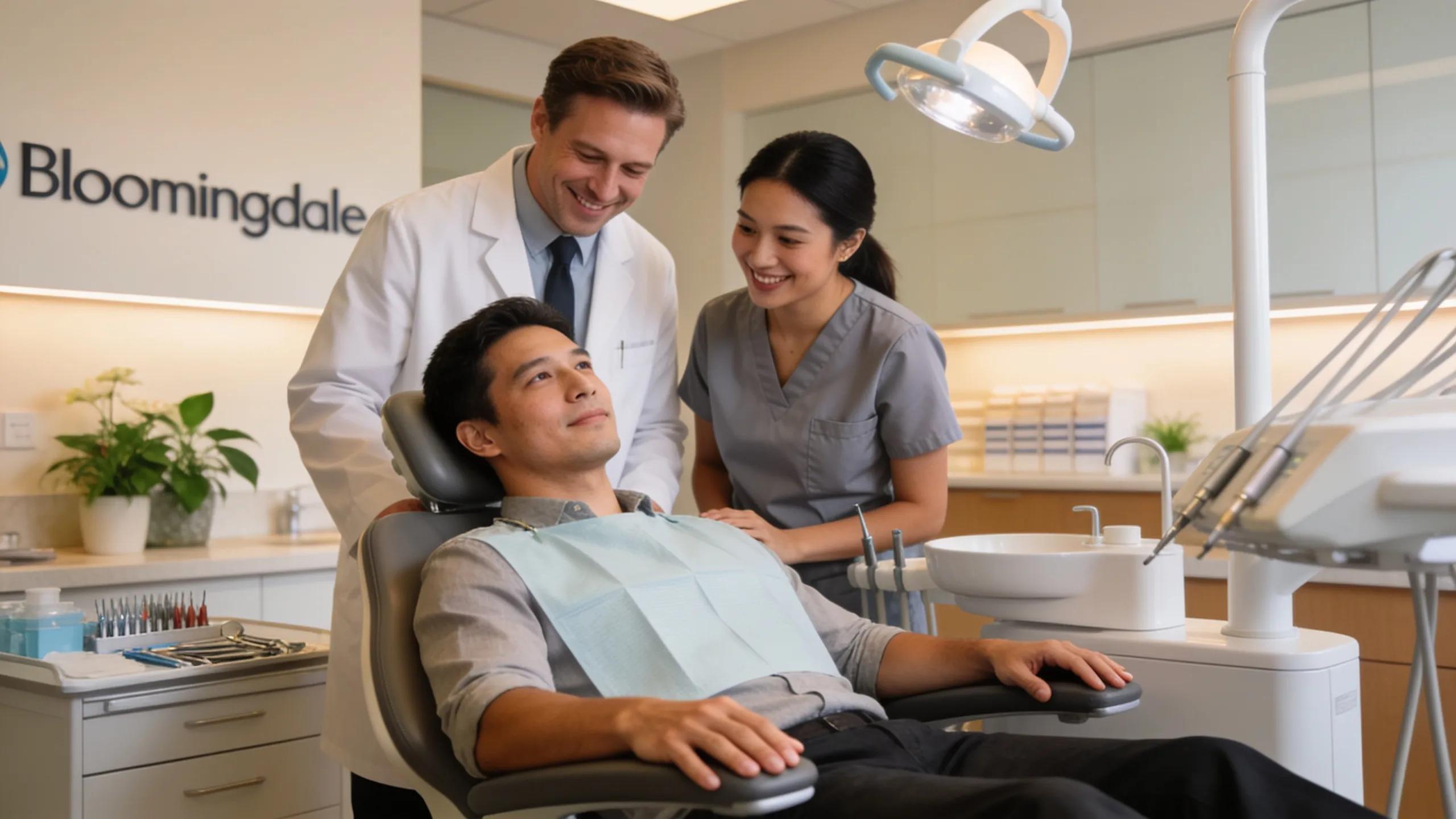
The patient experience during gentle root canal therapy is designed to be as stress-free and comfortable as possible. Clear communication with the dental team is emphasized, allowing patients to understand each step of the process. Additionally, aftercare support is provided to help manage any post-treatment discomfort effectively, contributing to a positive overall experience.
Benefits
Patients undergoing gentle root canal therapy can expect specific benefits that include immediate pain relief and the associated advantages of preserving a natural tooth. This proactive approach not only enhances the patient experience but also supports long-term dental health.
How Does Minimally Invasive Technology Enhance Patient Comfort?
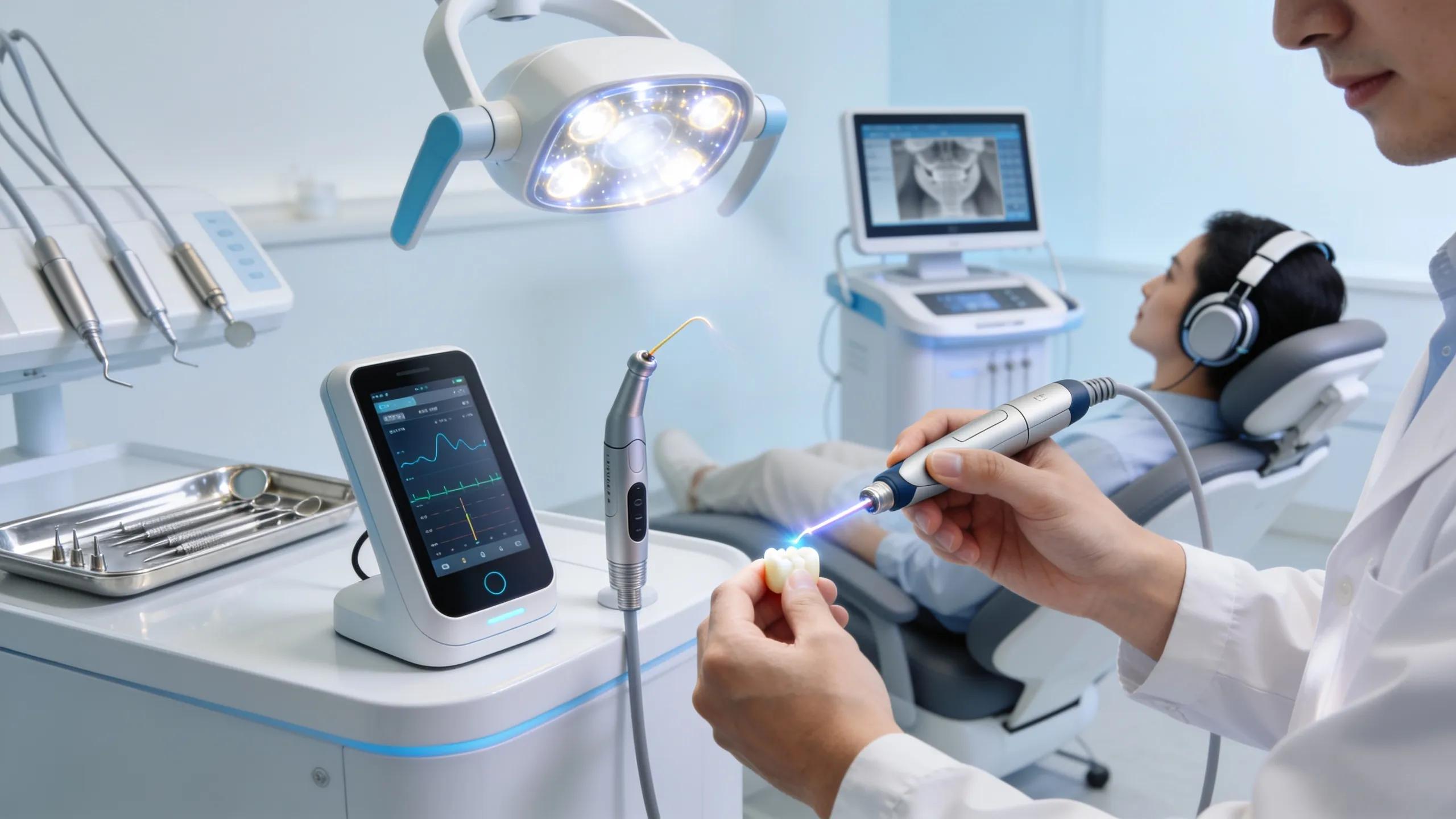
Minimally invasive technology revolutionizes the way root canal therapy is performed, significantly enhancing patient comfort. Techniques designed to limit tissue disruption result in less post-operative pain and quicker recovery times. Utilizing advanced imaging and precision instruments, dentists can navigate and treat the affected areas more accurately without affecting healthy tissues or structures.
By prioritizing the preservation of natural tooth structure, modern endodontics ensures better long-term functional integrity for patients.
Why Minimally Invasive Endodontics Saves Your Natural Smile
The primary goal of endodontic therapy is the long-term retention of a functional tooth by preventing or treating apical periodontitis. However, there are many other factors that impact endodontic outcomes such as the quality of the restoration and structural integrity of the tooth after root canal preparation. Contemporary research efforts are currently directed to better understanding dentin behavior and structure during aging and function. An alternative approach is to minimize structural changes during root canal therapy, which may result in a new strategy that can be labeled ‘minimally invasive endodontics’.
Minimally invasive endodontics: challenging prevailing paradigms, AH Gluskin, 2014
What Role Does Advanced Anesthesia Play in Root Canal Care?
Advanced anesthesia techniques are crucial in ensuring a pain-free experience during root canal therapy. Techniques such as computer-controlled local anesthesia delivery systems can provide a more consistent and comfortable numbing effect during the procedure. This advancement allows for a more tailored approach to each patient’s needs, ensuring they remain comfortable throughout treatment.
New delivery systems are continuously evolving to help patients feel more relaxed and comfortable during their dental visits.
Painless Dental Anesthesia: What to Expect During Treatment
Computer-controlled local anesthesia delivery (CCLAD) is an innovative electronic injection device that represents a cutting-edge approach to dental anesthesia. This system is promising for painless anesthesia using controlled anesthetic injections. This review aimed to compare the discomfort experienced by patients during local anesthesia using a traditional syringe and the CCLAD system and evaluate the potential of the CCLAD system as a painless dental anesthesia solution.
Efficacy of computer-controlled local anesthesia delivery system on pain in dental anesthesia: a systematic review of randomized clinical trials, M Altuhafy, 2024
What Should Patients Expect During a Root Canal Procedure in Bloomingdale?
Patients can expect a structured approach to their root canal procedure, characterized by professionalism and care. The process begins with a detailed consultation followed by the administration of anesthesia. As the procedure progresses, the emphasis on comfort and communication remains strong, allowing patients to express any concerns.
What Are the Steps Involved in a Typical Root Canal Session?
A typical root canal session includes the series of steps previously discussed, each aimed at ensuring efficacy while maintaining patient comfort. The cleanliness of the treatment environment and the use of sterilized equipment further assure patients of high standards of care.
How Does Anodyne Endodontics Ensure a Comfortable and Supportive Environment?
At “Anodyne Endodontics”, a supportive atmosphere is paramount for a successful root canal experience. The team prioritizes patient communication, providing detailed explanations and support throughout the procedure. With a commitment to excellence, the office environment is designed to reduce anxiety, ensuring each visit is as pleasant as possible.
How Can You Manage Recovery After Your Root Canal Treatment?
Managing recovery after a root canal treatment is vital for a smooth healing process. Patients are advised to follow specific guidelines to ensure their comfort and promote healing.
What Are Effective Root Canal Recovery Tips and Pain Management Strategies?
Practicing effective recovery techniques can aid in healing. Recommended strategies include:
- Follow Post-Op Instructions: Adhering to your endodontist’s guidance will help mitigate discomfort and ensure proper healing.
- Use Prescribed Medications: Taking prescribed pain relief medication can alleviate discomfort post-treatment.
- Limit Physical Activities: Avoiding strenuous activities can aid in a smoother recovery.
Following these strategies can help manage pain effectively and promote a quick return to normal activities.
When Should You Contact Your Endodontist Concerning Recovery Concerns?
Patients should not hesitate to reach out to their endodontist if they experience excessive pain, swelling, or any unexpected symptoms after the procedure. Timely communication can address any concerns, ensuring a positive recovery experience.
What Advanced Endodontic Treatments Are Available in Bloomingdale Beyond Root Canal Therapy?
Beyond root canal therapy, several advanced endodontic treatments are available. These methods offer solutions for persistent dental issues and contribute to comprehensive dental care.
How Does Endodontic Retreatment Address Persistent or New Issues?
Endodontic retreatment is a strategy for addressing cases where initial treatments may not have fully resolved the issue. It involves re-accessing the tooth to eliminate any remaining infected tissue and enhance outcomes.
What Is Apical Microsurgery and When Is It Recommended?
Apical microsurgery is a specialized technique employed when traditional root canal therapy is insufficient. Recommended in cases involving complicated anatomy or persistent infection, this approach utilizes minimally invasive techniques for targeted treatment.
How Do You Choose and Access Expert Endodontic Care Near You in Bloomingdale, IL?
Choosing the right endodontist involves considering their qualifications and available technologies. A skilled professional’s expertise is crucial for achieving optimal results.
What Credentials and Technologies Should You Look for in an Endodontist?
When seeking an endodontist, ensure they possess the necessary credentials and utilize advanced technologies. Essential considerations include:
- Board Certifications: Confirming their qualifications in endodontics ensures you receive specialized care.
- State-of-the-Art Equipment: Access to the latest technologies enhances treatment precision and patient comfort.
How Does Maintaining Your Natural Tooth Through Root Canal Therapy Benefit Your Overall Oral Health?
Preserving your natural tooth through root canal therapy is vital for maintaining overall oral health. Natural teeth play a crucial role in proper alignment and function.
Why Is Preserving Tooth Vitality Critical for Long-Term Oral Function?
Maintaining tooth vitality allows for continued functionality of the dental structure, contributing to oral health. The loss of a tooth can lead to misalignments and further complications, underscoring the importance of tooth preservation.
How Does Endodontic Care Contribute to Your General Well-Being?
Endodontic care directly influences your overall well-being. Retaining your natural teeth enhances your ability to chew and speak, impacting nutritional intake and social interactions. By addressing dental health proactively, you contribute positively to your general health outcomes.