
Root Canal Retreatment in Bloomingdale, IL — When a Root Canal Fails

Root Canal Retreatment in Bloomingdale, IL: Understanding Causes, Procedures, Costs, and Emergency Care
By Zainab Aziz, Anodyne Endodontics
Root canal treatment is a procedure that can sometimes fail, leading to the need for retreatment. This situation can be distressing for patients, as it often involves further discomfort and uncertainty about the effectiveness of additional procedures. Understanding the causes of root canal failures, the associated procedures for retreatment, and the potential costs involved is crucial for anyone navigating their dental health decisions. In Bloomingdale, IL, patients have access to specialized endodontic services that can address these needs effectively. This article will delve into the causes of root canal failure, how retreatment procedures are conducted, emergency care options, and the financial implications for residents in the area.
Root Canal Retreatment in Bloomingdale, IL
Root canal retreatment refers to the process of addressing a failed initial root canal treatment to save the tooth and relieve pain or discomfort. This process is critical as it helps prevent the need for tooth extraction, which can significantly affect oral health. In Bloomingdale, patients can find specialized services tailored to handle such complications effectively. It is essential for patients to understand that timely retreatment can often resolve complications that might otherwise lead to more severe dental issues.
Causes of Root Canal Failure:
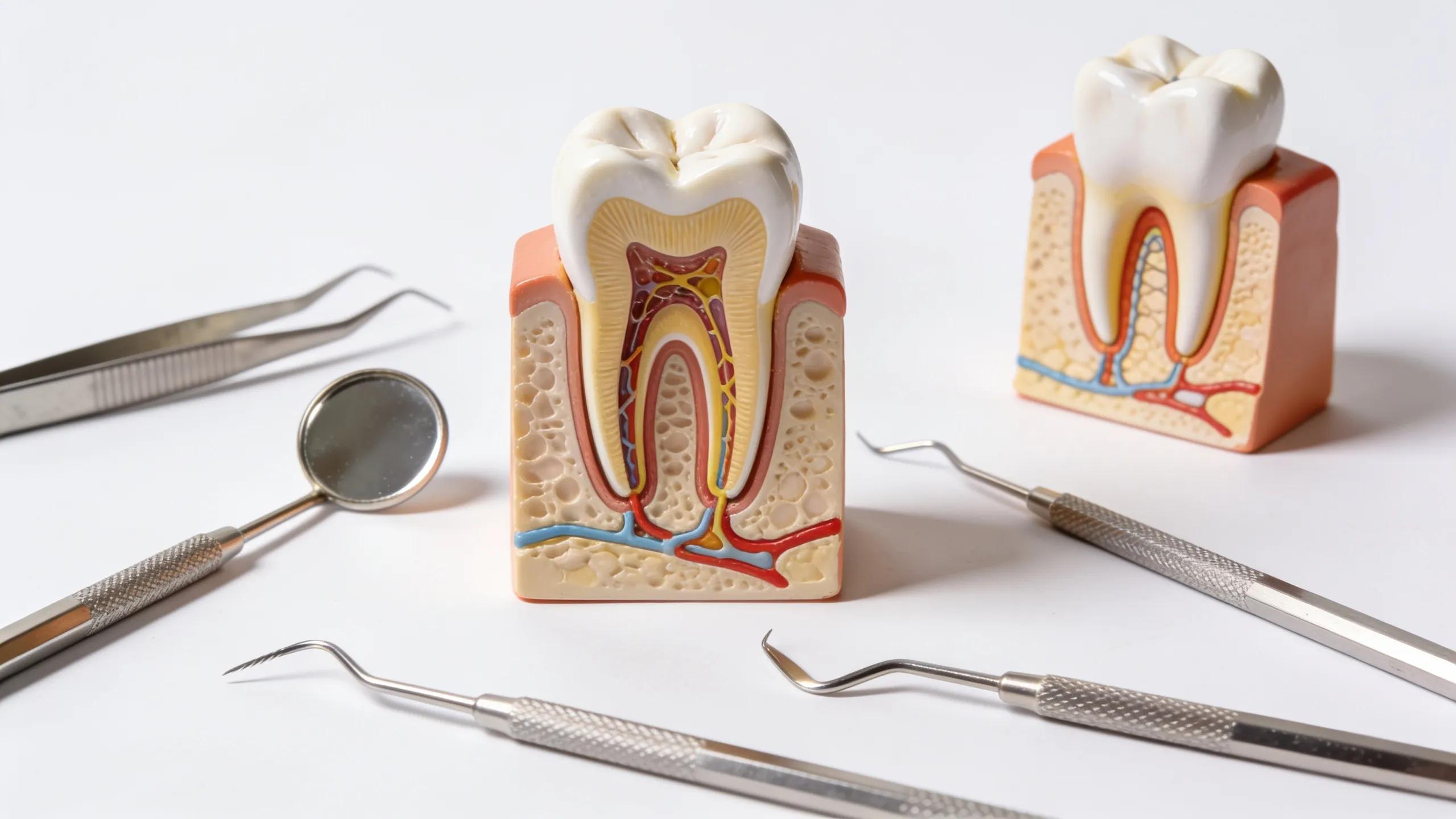
Several factors can contribute to the failure of a root canal treatment. Understanding these causes can help patients recognize the importance of seeking timely intervention when complications arise.
Research highlights various common reasons why initial root canal treatments may not succeed, often related to the thoroughness of the initial procedure.
Common Causes of Root Canal Treatment Failure
Inappropriate mechanical debridement, persistence of bacteria in the canals and apex, poor obturation quality, over and under extension of the root canal filling, and coronal leakage are some of the commonly attributable causes of failure. Despite the high success rate of endodontic treatment, failures do occur in a large number of cases and most of the times can be attributed to the already stated causes.
Failure of endodontic treatment: The usual suspects, S Tabassum, 2016
- Incomplete Cleaning of Canals: If the canal system was not thoroughly cleaned during the initial treatment, bacteria may remain and cause reinfection.
- New Decay or Infection: New cavities that form after the root canal can introduce bacteria back into the tooth, leading to infection.
- Complex Canal Anatomy: Some teeth may have complex or additional roots that are not easily accessed during treatment, leaving areas prone to infection.
Retreatment Procedures:

The retreatment process involves several steps to ensure that the tooth is appropriately addressed and any remaining infection is eliminated.
Effective retreatment often involves either surgical or non-surgical approaches, with the latter focusing on meticulous removal of existing materials and thorough disinfection.
Understanding Root Canal Retreatment Procedures: Surgical and Non-Surgical Options
When primary root canal therapy fails, periapical lesions can be retreated with or without surgery. Root canal retreatment is a non‐surgical procedure that involves removal of root canal filling materials from the tooth, followed by cleaning, shaping and obturating of the canals.
Endodontic procedures for retreatment of periapical lesions, M Del Fabbro, 2016
- Evaluation of the Condition: The dentist will begin with a thorough examination, often using imaging techniques to determine the extent of the infection and the condition of the tooth.
- Canal Cleaning and Disinfecting: The existing filling material from the root canal will be removed, allowing for proper cleaning and disinfection.
- Resealing the Tooth: Once the canals are cleaned and dried, they will be sealed again to prevent future infection.
What Does the Root Canal Revision Procedure Involve?
The root canal revision procedure is a detailed process that aims to remove any infected tissue and prepare the tooth for sealing. Using advanced imaging technologies, the endodontist can visualize the entire canal system, ensuring that all areas are addressed. This process typically requires careful removal of the old filling material, alongside the cleaning and disinfection steps crucial for eliminating infection.
How Do Microsurgical Techniques Improve Retreatment Success Rates?
Microsurgical techniques have been developed to enhance the precision of root canal retreats. These techniques utilize advanced magnification instruments that allow for greater visibility of the intricate anatomy of the tooth. Enhanced precision not only aids in the thorough cleaning of the canals but also reduces recovery time, allowing patients to return to their normal activities sooner post-procedure.
Associated Costs:
Understanding the costs associated with root canal retreatment is essential for patients in Bloomingdale, IL. The costs can vary widely based on the complexity of the procedure and the specific circumstances surrounding the case.
What Factors Influence the Cost of Root Canal Retreatment?
Several factors can influence the overall cost of root canal retreatment, including the complexity of the case and the geographic location of the dental practice. The experience of the dentist also plays a role, as specialists may charge higher fees. Additionally, whether the procedure is performed in a practice setting or in a surgical center can impact the costs significantly.
Emergency Care Options:
For patients experiencing dental emergencies related to failed root canals, prompt care is essential. Many dental practices, including specialized endodontic services, offer same-day emergency appointments to address acute issues and alleviate pain.
- Same-Day Emergency Services: Practices may offer urgent care services for patients with sudden pain or symptoms indicating a potential root canal failure.
- Pain Management: Immediate pain relief options are typically available, allowing patients to remain comfortable while awaiting treatment.
- Process for Urgent Care: Understanding the steps to take in an emergency can help patients navigate their options for care effectively.
What Does an Emergency Same Day Appointment for Root Canal Issues Entail?
During an emergency appointment, patients can expect an initial assessment to evaluate their symptoms. This process typically includes diagnostic imaging to determine the underlying issues causing pain. Treatment may involve immediate interventions, such as drainage if an abscess is present, and planning further steps necessary for definitive care.
How to Schedule Urgent Care for Failed Root Canals at Anodyne Endodontics
Scheduling an emergency appointment for root canal issues at Anodyne Endodontics is straightforward. Patients should contact the office directly to describe their symptoms and the urgency of their situation. It’s important to mention any relevant medical history and insurance details during the call to streamline the process.
How Can General Dentists Refer Patients for Root Canal Retreatment in Bloomingdale?
General dentists often play a crucial role in identifying when root canal retreatment is necessary. They can facilitate referrals to specialized endodontic practices when patients exhibit symptoms of treatment failure.
What Is the Referral Procedure for Endodontic Retreatment at Anodyne Endodontics?
The referral procedure typically involves the general dentist providing necessary patient information for a seamless transition to endodontic care. This includes diagnostic findings and treatment history to aid the endodontist in preparing for the patient’s specific needs.
Why Partnering with Specialized Endodontists Benefits Patients with Failed Root Canals
Partnering with specialized endodontists offers patients several advantages when addressing failed root canals. These specialists have advanced training and experience in managing complex cases, increasing the likelihood of successful retreatment and preservation of the tooth.
What Are Frequently Asked Questions About Root Canal Retreatment in DuPage County?
Educating patients about root canal retreatment can alleviate concerns and promote informed decision-making regarding their dental health.
Can Root Canal Retreatment Successfully Save a Failed Root Canal Tooth?
Yes, root canal retreatment can often save a tooth that hasn’t healed properly from initial treatment. Depending on the complexity of the case and the health of surrounding tissues, many patients can enjoy long-term relief and function from their treated tooth.
How Long Does Root Canal Retreatment Take and What Is the Recovery Time?
Most root canal retreatment procedures can be completed in one to two visits, depending on the complexity of the case. Recovery times vary, but most patients return to regular activities within a few days, making it a manageable option for those in need of dental care.