Saving Your Natural Smile: Advanced Root Canal Therapy in Bloomingdale, IL
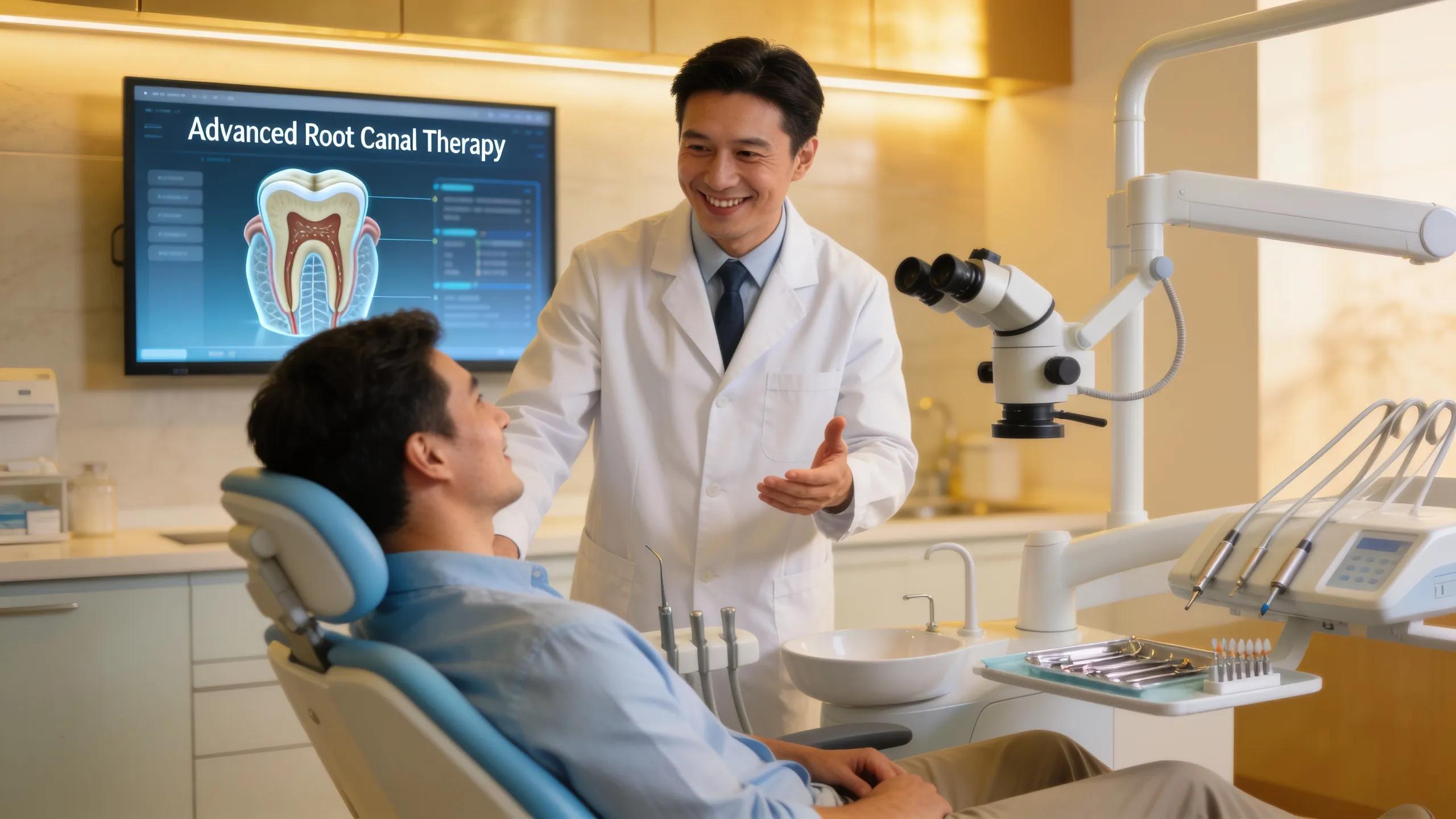
Saving Your Natural Smile with Advanced Root Canal Therapy in Bloomingdale, IL: Expert Care by Root Canal Specialists
By Zainab Aziz, Anodyne Endodontics
Advanced root canal therapy is a critical procedure that helps preserve the natural smiles of patients experiencing severe dental issues. This type of treatment is specifically designed to save teeth that may otherwise require extraction due to infection or decay. In Bloomingdale, IL, advanced techniques and cutting-edge technology are employed by specialists to enhance patient outcomes significantly. Understanding options for root canal therapy is essential, especially for those looking to maintain their dental health while alleviating pain and discomfort. Throughout this article, we will explore the various treatment techniques, the technology used, and the numerous benefits that come with advanced root canal therapy. We will also address frequently asked questions, including cost factors and the referral process utilized by general dentists.
Treatment Techniques Used
The treatment for advanced root canal therapy involves several key techniques aimed at effectively addressing tooth pain caused by infected or inflamed pulp. Initially, a comprehensive consultation and diagnosis are conducted to determine the extent of the issue, including the necessary imaging to assess the tooth’s condition. The procedure typically commences with local anesthesia to ensure patient comfort, followed by meticulous cleaning and sealing processes that eliminate infection and decay. These techniques help ensure that the tooth can be preserved for as long as possible, thus enhancing the likelihood of a successful outcome.
Advanced Technology

Innovative technology plays a significant role in the success of root canal therapy. Some of the advanced tools used include:
- CBCT 3D Imaging: This technology allows for detailed three-dimensional imaging of the dental structure, which is crucial for accurate diagnosis and treatment planning.
- Dental Operating Microscope: Utilized for enhanced visibility and precision, this microscope helps endodontists execute intricate procedures with higher accuracy.
- GentleWave System: This unique system employs advanced fluid dynamics to clean and disinfect the root canal system effectively, improving overall treatment efficacy and patient comfort.
Understanding the effectiveness of advanced irrigation systems like the GentleWave System is crucial when evaluating modern root canal therapy techniques.
GentleWave System: Advanced Root Canal Irrigation
The purpose of this study is to compare pressures at the apical foramen created by conventional syringe irrigation and the GentleWave™ System, which releases high-velocity degassed irrigants to the pulp chamber and uses broad-spectrum sound energy for cleaning. Apical pressure created during irrigation with the GentleWave™ system compared to conventional syringe irrigation, YA Shen, 2016
These technologies not only streamline the procedures but also minimize discomfort and improve treatment outcomes.
Benefits for Patients
Choosing advanced root canal therapy comes with numerous advantages that can positively impact dental health and overall well-being. Key benefits include:
- Pain Relief: Patients experience significant pain relief soon after the procedure, allowing them to return to normal activities.
- Preservation of Natural Teeth: These therapies aim to save teeth that would otherwise need extraction, maintaining the natural appearance of smiles.
- Enhanced Recovery: With advanced techniques and technologies, patients typically enjoy a faster recovery period compared to traditional methods.
The combination of these benefits makes advanced root canal therapy a valuable choice for patients dealing with dental issues.
This table highlights how the different benefits of advanced root canal therapy support patient health and satisfaction.
Expected Outcomes
The typical outcomes following advanced root canal therapy are generally very positive. Most patients experience a significant improvement in symptoms, with success rates generally cited around 86% to 97%. Expectations for improvement usually manifest within weeks of the procedure, with many patients noting a marked difference in their dental health. Furthermore, following aftercare instructions closely is crucial for long-term success, as maintenance plays a key role in preserving treated teeth.
What Is Advanced Root Canal Therapy and How Does It Preserve Your Natural Teeth?
Advanced root canal therapy refers to a specialized process designed to remove infected or damaged pulp from within a tooth, ultimately preventing further decay and potential tooth loss. The procedure works by thoroughly cleaning the interior of the tooth, eliminating bacteria, and then sealing it to protect against future infections.
How Does Root Canal Therapy Save Natural Smiles?
Root canal therapy directly saves natural smiles by addressing the root cause of tooth pain, which is often due to infected pulp. During the procedure, the endodontist carefully accesses the tooth’s pulp chamber and root canals, cleaning out all infected material. By sealing the tooth afterward, the procedure helps prevent reinfection, ensuring the tooth can continue functioning normally for years to come.
What Advanced Techniques and Technologies Are Used in Modern Root Canal Treatments?
Modern root canal treatments utilize several advanced techniques and technologies designed to improve outcomes and patient comfort. Innovations like CBCT 3D Imaging allow for precision diagnostics, while endodontic microscopes enhance visibility during procedures. Additionally, techniques such as rotary instrumentation streamline the cleaning process, making it more efficient and effective than traditional manual methods. These advancements contribute to higher success rates and lower patient discomfort.
Why Choose a Root Canal Specialist in Bloomingdale for Your Root Canal Treatment?
Selecting a root canal specialist is critical for achieving the best treatment outcomes. Specialists in Bloomingdale possess specific training and experience that sets them apart from general dentists. They employ advanced techniques and technologies that significantly enhance the likelihood of preserving the natural tooth.
What Qualifications Define the Best Endodontist in the Chicago Suburbs?
The best endodontists in the Chicago suburbs generally hold advanced degrees in dentistry and specialized training in endodontics, often completed through accredited residency programs. Additional qualifications include certifications from professional dental organizations, experience with contemporary techniques, and a demonstrated commitment to ongoing education to stay updated on the latest advancements in the field.
How Does Anodyne Endodontics Stand Out as Your Root Canal Specialist in Bloomingdale?
Anodyne Endodontics is renowned for its patient-centered approach, utilizing advanced technologies like the GentleWave System for effective, minimally invasive treatments. Patients also benefit from the practice’s commitment to clear communication and personalized care. Testimonials highlight the empathetic approach of the staff, ensuring that individuals feel comfortable and informed throughout their treatment journey.
How Do Emergency Root Canal Services in Bloomingdale Provide Rapid Pain Relief?
Emergency root canal services are designed to address acute dental pain promptly and effectively. Patients suffering from severe toothache can typically access same-day appointments, ensuring they receive immediate care to alleviate discomfort and prevent further complications.
What Is the Process for Scheduling Emergency Same Day Root Canal Appointments?
For emergency appointments, patients are encouraged to contact the office directly, where staff will often prioritize scheduling based on the urgency of the situation. Important information needed during the call includes symptoms, duration of pain, and any relevant medical history. Most offices aim to respond within a short timeframe to bring relief to those in distress.
What Are the Benefits of Emergency Root Canal Therapy for Natural Tooth Preservation?
Rapid intervention through emergency root canal therapy offers substantial benefits for preserving natural teeth. Early treatment can prevent the need for extractions, reduce the risk of further infection, and is often more cost-effective in the long term. Addressing issues promptly leads to higher success rates and lower overall treatment costs, ensuring better health outcomes.
What Is the Typical Cost of Root Canal Treatment in Bloomingdale and What Factors Affect It?
The cost of root canal treatment in Bloomingdale typically ranges from $800 to $1,500, depending on various factors including tooth location, complexity of the case, and the need for additional procedures, such as crowns.
How Does Treatment Complexity Influence Root Canal Costs?
Complex cases, such as those involving molars with curved roots or extensive decay, can increase the overall cost due to the additional time and expertise required. Furthermore, previous treatments or complications may necessitate a more intensive approach, which also affects pricing.
Are Financing and Insurance Options Available for Root Canal Procedures?
Many dental practices, including Anodyne Endodontics, offer financing options and accept various insurance plans to help make root canal procedures more accessible for patients. It is advisable for individuals to check with their insurance provider to understand coverage specifics and explore payment plans that meet their financial needs.
How Does the Root Canal Referral Process Work for General Dentists in Bloomingdale?
The referral process for root canal treatments often involves collaboration between general dentists and specialists. After diagnosing a potential endodontic issue, a general dentist may refer their patient to a root canal specialist for comprehensive care.
What Criteria Should General Dentists Use to Refer Patients to Anodyne Endodontics?
General dentists typically assess several factors when determining the need for referral, such as the severity of the condition, patient symptoms, and the complexity of the required treatment. If a patient presents with signs that suggest advanced decay or pulpitis, a referral is often warranted to ensure specialized care.
How Is the Referral and Appointment Scheduling Process Streamlined for Dentists and Patients?
At Anodyne Endodontics, the referral process is designed to be seamless. Coordination between the general dentist and the specialist is facilitated through direct communication, ensuring a comprehensive treatment plan is established without delays. Appointments are typically scheduled promptly to cater to patient needs, emphasizing ease and efficiency for everyone involved.
What Are Common Patient Questions About Root Canal Therapy in Bloomingdale?
Understanding root canal therapy can alleviate patient concerns and preferences regarding this vital treatment. Many individuals wonder about pain levels during treatment, potential recovery timelines, and long-term success rates associated with root canal therapy.
Is Root Canal Therapy Painful and What Is the Recovery Time?
While root canal therapy has a reputation for being painful, modern techniques and anesthesia make the procedure relatively comfortable for patients. After the treatment, patients may experience some discomfort, which generally subsides within a few days. Recovery time is often brief, with most individuals returning to normal activities within 24-48 hours.
What Are the Success Rates and Long-Term Outcomes of Root Canal Treatments?
Success rates for root canal treatments are high, typically ranging from 85% to 97%. Factors such as treatment quality and patient adherence to aftercare instructions can influence long-term outcomes, emphasizing the importance of follow-up and proper oral hygiene.
What Patient Experiences and Testimonials Highlight Success of Advanced Root Canal Therapy?
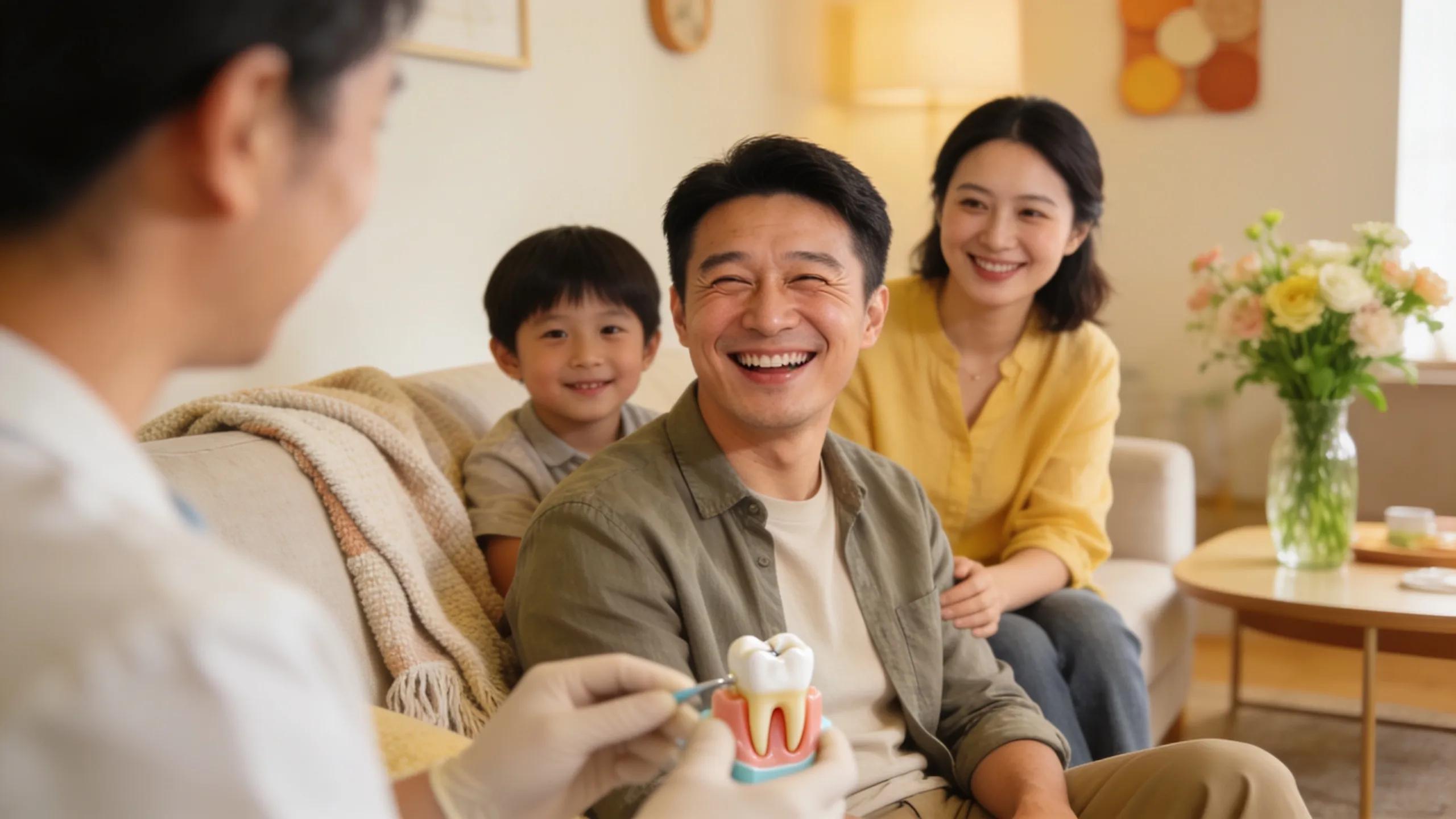
Patient testimonials often emphasize the positive experiences associated with advanced root canal therapy at Anodyne Endodontics. Many appreciate the professional and compassionate care they receive, reporting transformative results that restore comfort and functionality to their smiles.
How Is Anodyne Endodontics Positioned as a Leading Local Business for Root Canal Therapy?
Anodyne Endodontics stands out as a leading local resource for root canal therapy due to its specialization in endodontic treatments. Patients can expect high-quality care utilizing the latest technology in a warm, supportive environment.
What Structured Data Markup Supports Anodyne Endodontics’ Online Presence and Local SEO?
Structured data markup helps to enhance Anodyne Endodontics’ visibility in local search results, facilitating easier access for potential patients searching for specialized endodontic care. This data ensures that information regarding the practice is accurate and readily available, reflecting both services and location effectively.
How Does Geographic Location in Bloomingdale, IL Benefit Patients Seeking Specialized Care?
The strategic location of Anodyne Endodontics in Bloomingdale offers residents convenient access to specialized care. The clinic also fosters collaboration with local general dentists, improving referral processes and ensuring continuity in patient care. This geographical positioning enhances the overall accessibility and quality of dental care for the community.