Saving Your Natural Smile: What to Expect from Endodontic Care in Bloomingdale, IL
Saving Your Natural Smile: Expert Root Canal Specialists and Emergency Endodontic Care in Bloomingdale, IL
By Zainab Aziz, Anodyne Endodontics
Maintaining your natural smile is crucial for both aesthetic and health reasons. Understanding endodontic care, particularly root canal therapy, can help you preserve your teeth and overall dental health. In Bloomingdale, IL, many individuals face the anxiety of dental emergencies or the need for specialized treatments. This article will delve into what endodontic care entails, the qualifications of specialists, treatment options available, and what patients can expect from their experiences. The aim is to empower readers with knowledge on how these services not only help in maintaining their smile but also prevent further dental issues.
Qualifications of Specialists
Endodontic specialists, also known as endodontists, undergo extensive training to provide expert care for complex dental issues. These professionals typically complete a dental school program followed by an additional two years of training in endodontics. This specialized education equips them with the skills required to perform intricate procedures such as root canal therapy and manage emergencies effectively. Continuous education is essential for these specialists, as advancements in dental technology and techniques evolve rapidly, maintaining the highest standards of care.
Treatment Options
Endodontic care encompasses a range of specialized treatments focused on managing and preserving dental health.
- Root Canal Therapy: This multi-step process involves several stages, including:Consultation and Diagnosis: Identifying the need for treatment through imaging.Anesthesia: Ensuring the procedure is painless.Cleaning and Sealing: Removing infected tissue and sealing the tooth to prevent further issues.Restoration: Rebuilding the tooth’s structure with materials suited for longevity.
- Emergency Endodontic Care: Same-day appointments and immediate relief options for situations involving severe tooth pain or infection.
These treatments are pivotal in addressing dental health without resorting to tooth extraction.
Root Canal Therapy
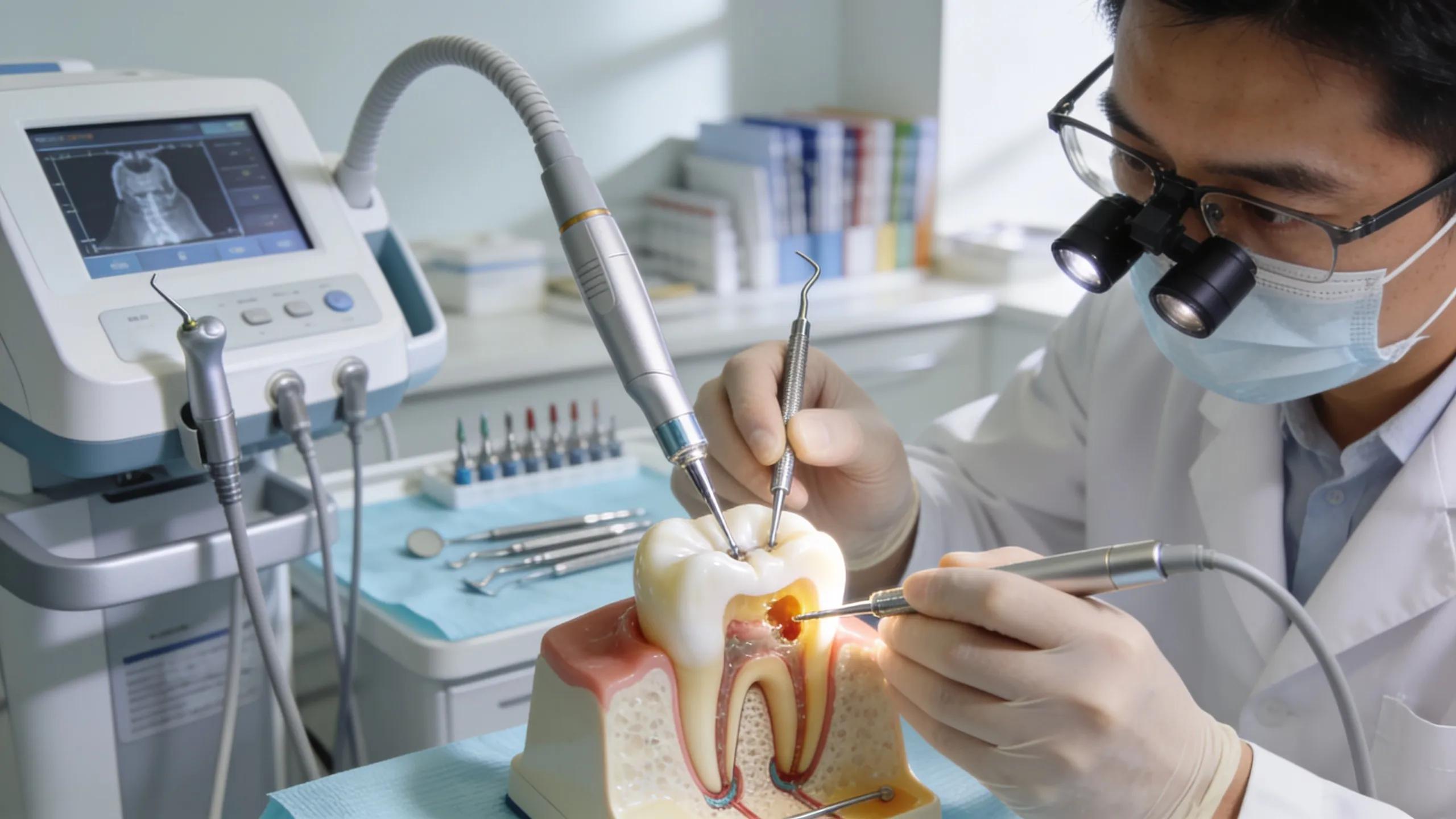
Root canal therapy is essential for saving teeth with diseased or damaged pulp. The procedure typically follows a well-defined series of steps to ensure patient comfort and successful outcomes. After numbing the affected area, the endodontist carefully removes the infected pulp from within the tooth. Once cleaned, the canal is filled with a biocompatible material to seal it against bacteria. Finally, the tooth is restored with a crown or filling, ensuring it remains functional and aesthetically pleasing.
Patient Expectations
When undergoing endodontic treatment, patients can expect a thorough and patient-centered approach. The initial consultation allows for discussing symptoms, treatment options, and potential outcomes.
Post-treatment recovery typically involves minor discomfort, manageable with over-the-counter medications. Most patients can return to their daily routines within a few days, though some may need to avoid chewing on the affected side for a short period to allow for healing. Effective communication with the endodontist is encouraged to address any concerns during recovery.
Emergency Services
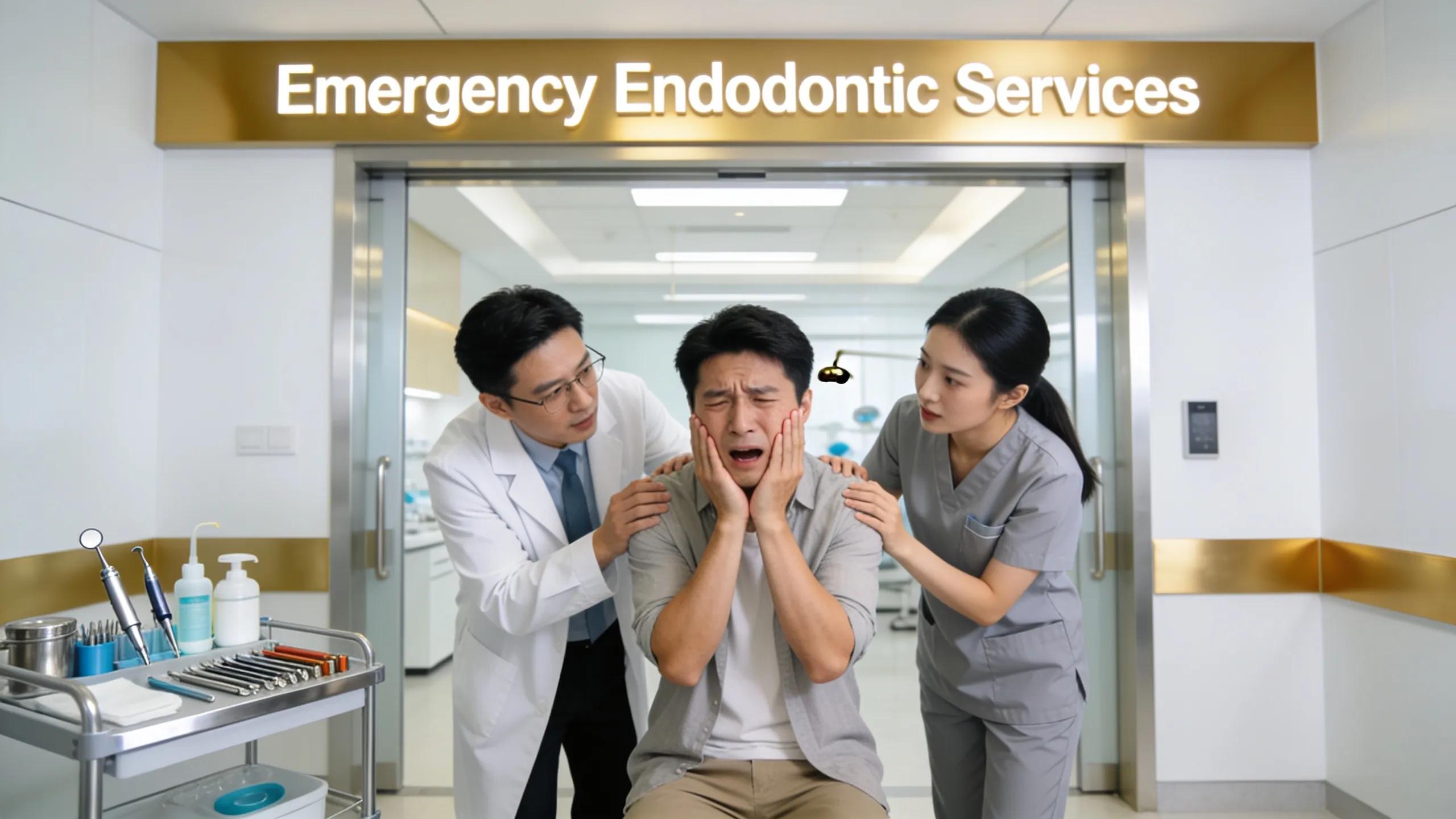
Emergency situations in dentistry, such as severe tooth pain or trauma, require prompt attention.
Endodontic practices in Bloomingdale offer emergency services designed to provide rapid assessments and treatments for urgent dental concerns.
- Types of Emergencies Treated:Severe toothaches or painDental infections that may spreadTrauma resulting from injuries
- Same-Day Appointments: Availability for patients suffering from acute dental distress, with strategies to relieve pain quickly.
- Quick Pain Relief Strategies: These often include treatments aimed at alleviating symptoms while addressing the underlying causes, ensuring holistic care for patients.
For those in need, Anodyne Endodontics provides scheduling options and a thorough referral process to facilitate timely care.
What Is Root Canal Therapy and How Does It Preserve Your Natural Smile?
Root canal therapy is a specialized procedure designed to treat and preserve a tooth that has become infected or decayed. This technique not only alleviates pain but also ensures the longevity of the tooth, allowing patients to maintain their natural smiles. By removing the infected pulp and sealing the tooth, endodontic care effectively protects surrounding teeth from further damage, preserving overall dental health.
How Does Root Canal Therapy Treat Infected Tooth Nerves?
The mechanism of action for root canal therapy involves addressing the infection directly at the source—the tooth nerve. After local anesthesia is administered, the endodontist creates a small opening in the tooth to access the pulp chamber. This area is meticulously cleaned and disinfected to eliminate bacteria before being sealed. This thorough approach not only resolves immediate pain but also prevents future complications resulting from untreated infections.
What Are the Benefits of Choosing Root Canals Over Tooth Extraction?
Choosing root canal therapy has several advantages compared to tooth extraction.
- Preservation of Natural Teeth: Keeping your natural teeth supports jawbone integrity and prevents shifting of nearby teeth.
- Cost-Effectiveness: Root canal procedures can be more economical over time compared to the expenses associated with tooth replacement.
- Maintaining Aesthetic Appearance: Preserving your natural teeth allows you to maintain your smile without visible gaps.
Given the long-term implications of tooth loss, root canal therapy represents a proactive approach to dental care, allowing patients to retain their natural smiles while promoting optimal oral health. For more information on preserving your natural teeth, consider exploring expert endodontic services.
How Can You Access Emergency Endodontic Care and Same Day Root Canal Appointments in Bloomingdale?
Accessing emergency endodontic care is straightforward in Bloomingdale. Patients should prioritize seeking immediate help when experiencing severe dental pain or other emergencies. To facilitate quick access:
- Contact the Office: Calling Anodyne Endodontics can lead to same-day appointments depending on availability.
- Importance of Prompt Care: Early intervention can significantly reduce pain and the risk of further complications.
- Scheduling Appointments: Many endodontists offer flexible appointment times to accommodate urgent needs.
Taking action quickly can lead to better outcomes and reduce discomfort.
What Should You Know About Endodontic Retreatment in the Western Chicago Suburbs?
Endodontic retreatment may be necessary if previous root canal therapy fails or if new issues arise. Reasons for retreatment include:
- Persistent infection
- New fractures or decay after initial treatment
The process for retreatment is similar to the original therapy, involving the removal of the previous filling material, cleaning, and resealing the tooth. Success rates for retreatment are generally high, making it a viable option for many patients looking to maintain their dental health.
How Do You Prepare for Your Root Canal Procedure and What Are the Recovery Expectations?
Preparation for a root canal procedure typically entails:
- Pre-Treatment Guidelines: Patients should communicate any medications or medical conditions to their endodontist.
- Post-Treatment Care Tips: Expect to manage discomfort with pain medications, and follow any additional care instructions provided.
- Expected Recovery Timeframes: Most patients can resume normal activities within a few days, but complete healing may take longer depending on individual factors.
Understanding and following these guidelines can enhance the overall treatment experience.
Why Choose Anodyne Endodontics as the Best Endodontist for Root Canals in Bloomingdale?
Anodyne Endodontics stands out for its commitment to exceptional patient care and specialized services. The team comprises highly trained endodontists who are dedicated to keeping the natural smiles of residents in Bloomingdale. Their patient-centered approach includes thorough consultations, modern techniques, and a comfortable environment, ensuring that every treatment is tailored to individual needs.
How Does Preserving Your Natural Smile Impact Overall Oral and General Health?
Maintaining a natural smile is more than just an aesthetic concern; it has profound implications for overall health.
- Oral Health Benefits: Preserved teeth contribute to better chewing function and alignment, preventing potential oral complications associated with missing teeth.
- Systemic Health Connections: Research links dental health to systemic conditions, suggesting that preserving your smile can positively influence overall well-being and reduce health risks related to tooth loss.
Understanding these connections reinforces the importance of seeking appropriate dental care when faced with potential tooth loss.
What Common Questions Do Patients Have About Root Canal and Emergency Endodontic Care?
Many patients express concerns regarding root canal therapy and associated procedures. Here are some common questions:
- Is root canal therapy painful?No, local anesthesia is used to ensure comfort during the procedure.
- How long does a root canal take?Generally, it may take 1-2 hours depending on the complexity of the case.
- What are the success rates of root canal therapy?Success rates for root canals are around 85-97%, making it a reliable treatment option.
By addressing these frequently asked questions, endodontists can alleviate concerns and encourage informed decisions regarding treatment.
How Do Referring Dentists Partner with Anodyne Endodontics for Patient Care?
Dentists often refer patients to Anodyne Endodontics when specialized care is required. The referral process is streamlined to ensure continuity of care, benefiting both the dentist and the patient. Collaboration fosters effective communication between the primary dentist and endodontist, ensuring a comprehensive approach to the patient’s dental health. This partnership allows for heightened awareness of patient histories and treatment plans, enhancing the overall care experience.