Root Canal Treatment for Seniors: Emergency Care, Referral Process, and Dental Health Solutions

Root Canal Treatment for Seniors: Emergency Care, Referral Process, and Dental Health Solutions
By Zainab Aziz, Anodyne Endodontics
Aging can bring complex dental problems, so knowing how root canal treatment works for seniors helps protect oral health. This article explains emergency care, the referral process, and options designed for older adults. It’s written to give seniors and caregivers clear information to make confident dental decisions and to highlight emergency steps and referral guidance so care is timely and effective. The following sections cover common senior dental emergencies, tailored procedures, and ways general dentists can simplify referrals.
Key Takeaways
- Root canal treatment is essential for seniors to address complex dental issues and maintain oral health effectively.
- Common dental emergencies for seniors include tooth abscesses, severe tooth pain, and dental trauma requiring immediate care.
- Same-day endodontic appointments benefit seniors by providing quick relief and reducing complications from dental emergencies.
- Efficient referral processes ensure seniors receive specialized root canal care promptly, improving treatment outcomes.
- Streamlined referrals enhance patient satisfaction, speed up treatment, and optimize oral health for elderly patients.
- Preventive dental care and regular check-ups help detect issues early and reduce emergency dental incidents in seniors.
- Tailored services for seniors include personalized consultations, sedation options, and specialized post-treatment care plans.
- Seniors should provide detailed dental history, current medications, and symptoms when scheduling root canal treatments.
- Caregivers and seniors must understand emergency protocols and referral steps to facilitate timely dental care access.
Emergency Care
If a dental emergency happens, seniors need to know their options so they get care quickly. Spotting urgent symptoms and acting fast can prevent bigger problems. Typical emergencies include severe tooth pain, abscesses, and trauma — all of which need prompt attention from a dental professional. Knowing where to go and how to respond can improve outcomes.
What Are Common Emergency Dental Care Needs for Elderly Patients?

Seniors often face urgent dental problems that need immediate care. The most common issues are:
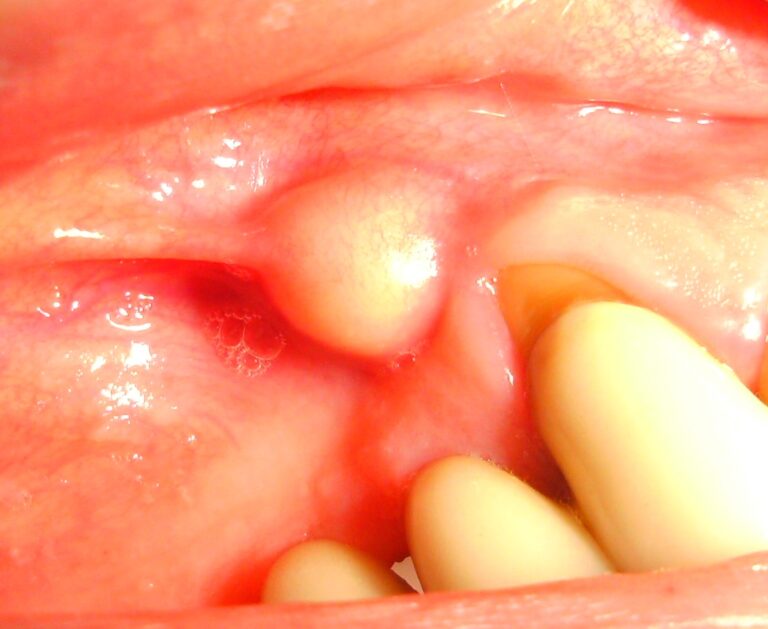
- Tooth Abscess: A localized infection that can lead to severe pain and swelling.
- Severe Tooth Pain: This may indicate underlying conditions such as decay or pulpitis.
- Dental Trauma: Injuries can occur from falls or accidents, requiring urgent interventions.
Tooth Abscess
A tooth abscess is a bacterial infection of the dental pulp that causes pus, swelling and intense pain. Seniors should watch for gum swelling, temperature sensitivity and a persistent ache. Quick treatment—often antibiotics and sometimes drainage—is needed to stop the infection spreading.
Severe Tooth Pain
Severe tooth pain in seniors can mean advancing decay or pulp damage. An endodontist should evaluate the cause quickly to determine the right treatment, which may include a root canal to save the tooth.
Dental Trauma
Falls and other accidents can cause chipped, fractured or dislodged teeth in older adults. Prompt assessment by a dental professional helps repair damage and prevent complications.
Failed Previous Treatments
Some seniors need care when past dental treatments fail, leading to ongoing pain or infection. A thorough review by a skilled endodontist can identify the problem and resolve it effectively.
How Does Same Day Endodontic Appointment Benefit Seniors?
Same-day endodontic appointments help seniors who have limited mobility or transportation. Faster access to care eases pain sooner and lowers the chance of complications from untreated conditions.
Referral Process
An efficient referral process is key when seniors need root canal treatment. It ensures they see a specialist quickly, reducing discomfort and addressing urgent dental needs.
How do referring dentists manage patient referrals for root canals?
Referring dentists should keep clear lines of communication so patients know what to expect. Important steps include reviewing symptoms, deciding if an endodontic consult is needed, and sending a referral that lists the patient’s dental history. This helps the specialist prepare and deliver prompt, informed care.
What are the benefits of streamlined referral systems for senior dental care?
Streamlined referral systems offer numerous benefits, including:
- Improved Patient Satisfaction: Clear communication reduces anxiety related to the referral process.
- Faster Treatment: Efficient systems ensure seniors are seen quickly, which is crucial for urgent care.
- Health Outcome Optimization: Rapid access to specialized treatment leads to better oral health outcomes for seniors.
Tailored Dental Health Solutions
Tailoring care for seniors means addressing health, mobility and comfort concerns so treatment fits each person. These adjustments improve the quality and safety of dental care for older patients.
How do preventive dental care and regular consultations improve senior oral health?
Preventive care and routine check-ups let clinicians spot problems early and treat them before they worsen. Benefits include:
- Early Detection of Issues: Identifying problems before they escalate can lead to less invasive treatments.
- Maintenance of Oral Hygiene: Routine cleanings help sustain gum health and prevent decay.
- Reduction in Emergency Incidents: Consistent dental care decreases the likelihood of emergencies that arise from untreated conditions.
What specialized services does Anodyne Endodontics offer to elderly patients?
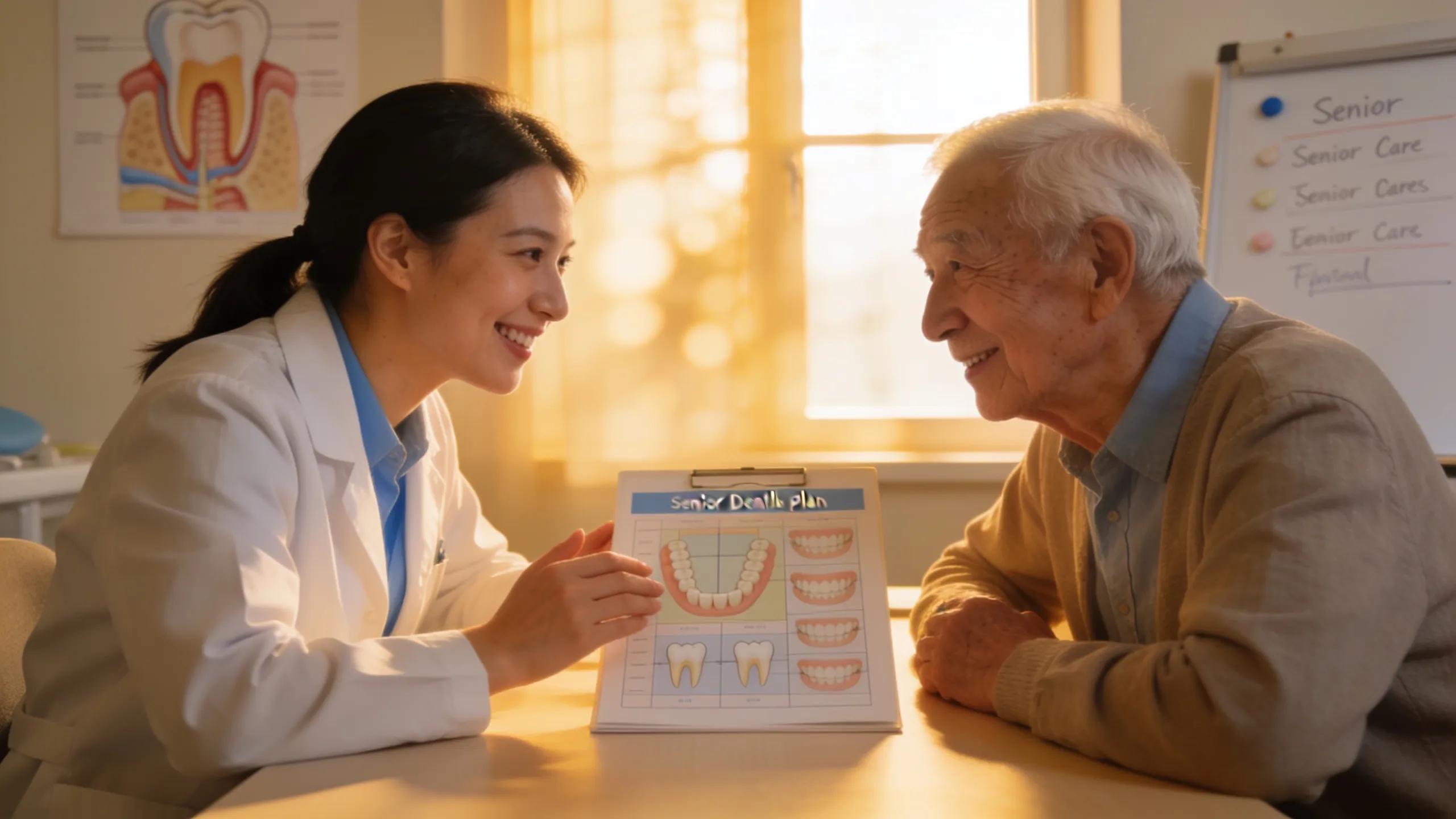
Anodyne Endodontics provides services designed for seniors, including:
- Personalized Consultation: Each treatment plan is customized based on individual needs and medical history.
- Sedation Options: Careful consideration of sedation approaches ensures comfort during procedures, catering to the anxiety that some seniors may experience.
- Post-Treatment Care Guidelines: Aftercare specific to senior patients focuses on addressing recovery needs and potential complications.
How Can Seniors Schedule and Prepare for Endodontic Consultations?
Knowing how to book and prepare for an endodontic consult makes the process smoother for seniors and their caregivers. Being ready with the right information speeds care and reduces stress.
What is the process for booking same day emergency dental appointments?
Seniors needing urgent care should follow these steps to book same-day visits:
- Contact the Office: Reach out to the dental office directly to explain the situation.
- Provide Required Information: Share details regarding symptoms and any relevant medical history.
- Be Prepared for Questions: The dental staff may ask about the duration of discomfort and previous treatments.
What information should seniors provide when scheduling root canal treatments?
When booking a root canal, seniors should have this information ready:
- Personal Dental History: Previous dental issues, treatments, and outcomes.
- Current Medications: List any medications being taken to ensure safe treatment planning.
- Symptoms Experienced: A detailed account of any ongoing symptoms can aid in prompt and accurate care.
Frequently Asked Questions
What additional dental issues should seniors consider besides root canals?
Seniors should watch for gum disease, tooth decay, dry mouth and signs of oral cancer. Regular check-ups help catch these problems early. Denture or implant issues also deserve attention, so discuss concerns with a dental professional to protect oral health and quality of life.
How can technology improve the dental care experience for seniors?
Technology can make care faster and clearer for seniors. Tools like dental imaging, electronic records and telehealth help with accurate diagnoses and smoother referrals. Patient management systems also keep appointments and follow-ups organised, improving access and outcomes.
What dietary changes can support oral health in seniors?
A balanced diet supports teeth and gums. Foods rich in calcium (dairy, leafy greens, almonds) strengthen teeth, and vitamin C from fruits and vegetables supports gum health. Cutting back on sugar and staying hydrated lowers the risk of cavities and gum disease. Ask a clinician or nutritionist for personalised advice.
What role do caregivers play in managing seniors’ dental health?
Caregivers help ensure seniors get the dental care they need by arranging appointments and supporting daily oral hygiene. They can assist with brushing and flossing, remind seniors about check-ups, and report concerns to providers. Active caregiver involvement improves access to care and health outcomes.
How can anxiety about dental visits be addressed for seniors?
Dental anxiety in seniors is common but manageable. Open communication with the dental team lets patients express fears and set preferences. Relaxation techniques—deep breathing or calming music—can help, and sedation options are available for those who need them.
What measures can seniors take to maintain dental hygiene at home?
Daily brushing with fluoride toothpaste (twice a day), flossing and using mouthwash reduce plaque and protect gums. Adaptive toothbrushes or flossers can make care easier, and a dentist can recommend routines tailored to each senior’s needs.
Conclusion
Prompt root canal treatment helps seniors manage complex dental problems and preserve oral health. Prioritising emergency care and an efficient referral process gives faster relief and better results. For personalised care and treatment plans, contact our team to discuss options that suit your needs and support lasting oral health.