Emergency Dentist Near Me and Affordable Root Canals: Expert Dental Care with Same Day Appointments and Referral Services

Emergency Dentist Near Me and Affordable Root Canals: Expert Dental Care with Same Day Appointments and Referral Services
By Zainab Aziz, Anodyne Endodontics
Dental emergencies are stressful. Fast treatment eases pain and limits further damage. This article explains how to find same‑day appointments, the services available, affordable root canal options, and how general dentists refer to endodontists. We also highlight key factors to consider when you need urgent care.
Key Takeaways
- Same-day emergency dentist appointments require identifying local providers and clearly communicating symptoms for urgent care.
- Emergency dental care includes root canal therapy, trauma treatment, and abscess management to relieve pain and prevent damage.
- Emergency root canal therapy removes infected pulp to alleviate severe tooth pain and preserve the tooth in one visit.
- Affordable root canal options include insurance coverage, payment plans, and community programs to reduce financial barriers.
- Root canal procedures involve consultation, anesthesia, and canal cleaning to effectively treat infections and maintain tooth health.
- Specialized endodontic care offers advanced training and technology for efficient, precise root canal treatments and better outcomes.
- General dentists refer patients to endodontists through evaluation, documentation, and coordinated follow-up for comprehensive dental care.
- Pediatric dental emergencies require tailored protocols considering children’s development and emotional well-being for effective treatment.
How Can I Get a Same Day Emergency Dentist Appointment Near Me?
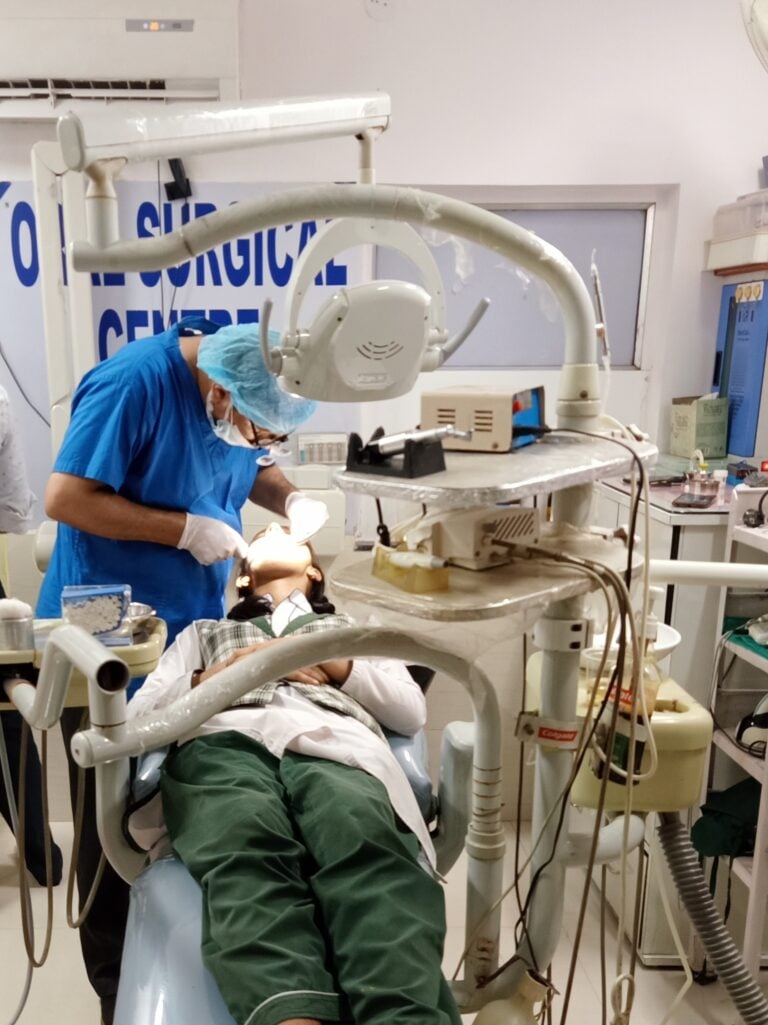
Getting a same‑day emergency appointment can relieve urgent dental problems. Follow these steps:
- Identify Local Providers: Start by searching for emergency dentists in your vicinity. Use online resources or ask for recommendations to find qualified providers nearby.
- Contact Providers Directly: Once you have a list, contact them directly to inquire about availability, specifying the urgency of your dental needs.
- Discuss Symptoms Clearly: When you reach out, clearly explain your symptoms to help the dentist assess whether they can provide immediate care.
Clear communication speeds care. Many clinics offer same‑day emergency services, including treatments like root canals.
What Services Are Included in Emergency Dental Care?
Emergency dental care covers treatments that quickly relieve pain and protect oral health. Common services include:
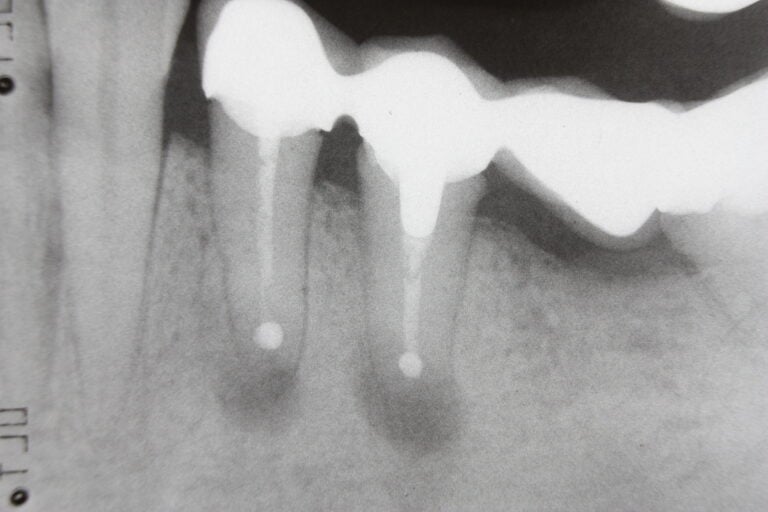
- Emergency Root Canal Therapy: This treatment is often necessary in cases of severe tooth infection or trauma. It involves the removal of infected dental pulp to alleviate pain and preserve the tooth.
- Endodontic Treatment for Dental Trauma: Fractured or dislodged teeth due to accidents require quick assessment and treatment to restore function and aesthetics.
- Tooth Abscess Treatment: Abscesses, which are localized infections, may require drainage and antibiotics, alongside other treatments to address underlying causes.
Emergency care providers focus on these treatments to deliver appropriate, timely care tailored to each patient.
Emergency care providers specialize in these treatments, ensuring that patients receive the most appropriate care tailored to their needs.
Emergency Root Canal Therapy

An emergency root canal relieves severe pain from infected dental pulp. Typical steps include:
- Assessment of the tooth and surrounding area
- Administering local anesthesia to minimize discomfort
- Removing infected pulp tissue and sealing the canal
Often the procedure can be completed in a single visit, depending on infection severity. Prompt treatment eases pain and helps prevent complications.
Endodontic Treatment for Dental Trauma
Dental trauma risks lasting harm if ignored. Emergency endodontic treatment stabilizes injured teeth and helps restore function and appearance. Key considerations include:
- Immediate evaluation by a dental professional
- Appropriate imaging to assess damage extent
- Recommended treatment pathways to restore the tooth’s integrity
Rapid care is vital to limit damage and improve the chances of preserving the tooth.
What Are Affordable Root Canal Options and Their Benefits?
Root canals can seem costly, but options make them more affordable. These include:
- Insurance Coverage: Many dental insurance plans cover a portion of root canal procedures, making them more accessible.
- Payment Plans: Dental offices often provide financing options that allow patients to manage costs over time.
- Community Programs: Some clinics offer reduced fees or sliding scale payments based on income.
These choices help people get needed care without undue financial strain.
How Is a Root Canal Procedure Performed?
A root canal follows clear steps to treat infection and manage pain:
- Consultation and Imaging: Initial assessment through X-rays to diagnose the issue.
- Local Anesthesia: Administering anesthesia to ensure patient comfort during the procedure.
- Canal Cleaning and Sealing: Removal of infected tissue followed by cleaning and sealing the canal to prevent future infections.
Each step helps save the natural tooth and reduce the risk of future problems.
Why Choose Specialized Endodontic Care for Root Canals?
An endodontist offers benefits such as:
- Specialized Training: Endodontists have additional training in diagnosing and treating complex dental issues, making them more adept in this area.
- Advanced Technology Use: Many endodontic practices utilize the latest technology for more precise treatments and better patient outcomes.
- Comfort and Efficiency: Specialized care often results in quicker procedures and improved patient experiences, enabling better management of anxiety and discomfort.
Specialized care improves outcomes in dental emergencies.
How Can Dentists Refer Patients to Specialized Endodontic Care?
Referrals to endodontists help ensure timely, targeted care. The referral process typically works like this:
- Identification of Need: The general dentist assesses the patient’s condition and determines if specialized care is necessary.
- Direct Referral Methods: Dentists can refer patients directly, often providing a detailed report on the patient’s dental history and treatment requirements.
- Post-Treatment Coordination: After the specialized treatment, communication between the general dentist and the endodontist ensures that the patient’s overall care continues smoothly.
Working together improves the patient experience and keeps care coordinated throughout treatment.
Referral Process
The referral process follows set steps to get patients the right care. Key steps include:
- Evaluating Signs and Symptoms: General dentists identify specific needs based on clinical evaluations.
- Preparing Referral Documentation: Essential information, including medical history and treatment notes, is compiled for the specialist.
- Following Up Post-Consultation: Continuous dialogue ensures that treatments align with the patient’s overall dental health strategy.
This organised process streamlines care and helps ensure timely interventions.
Typical Treatment Pathways
After referral, endodontists may follow these common pathways:
- Assessment and Diagnosis: Following the referral, the endodontist performs their evaluation to confirm the diagnosis.
- Treatment Execution: Based on the assessment, appropriate treatments such as root canals or dental surgeries are initiated.
- Aftercare and Follow-Up: Coordination between dentists ensures proper care following treatment, including monitoring recovery and scheduling follow-up appointments.
These pathways create a tailored care plan that improves outcomes.
What Is the Patient Referral Process for Dental Specialists?
Referring patients to specialists is key to comprehensive dental care. It involves these steps:
- Identification of Need by General Dentists: General dentists recognize when a patient requires specialized treatment based on symptoms and diagnostics.
- Direct Scheduling Processes: Patients are often scheduled directly with specialists to minimize delays in care.
- Coordination Steps: A network is established to facilitate transfers of patient information and treatment plans, ensuring continuity in care.
This coordinated approach highlights teamwork’s role in keeping patients’ dental health on track.
How Do We Manage Pediatric Dental Emergencies?

Treating children’s dental emergencies requires attention to their development and emotions. Key considerations include:
- Key Differences in Pediatric Care: Treatments should consider the developmental status and emotional well-being of the child.
- Emergency Protocols: Specific protocols must be established for common issues like trauma preventing further complications and ensuring swift relief.
- Follow-Up Care: Close monitoring and follow-up appointments are crucial to ensure that recovery proceeds without complications.
Children’s emergencies need care that addresses both physical and emotional needs.
Frequently Asked Questions
1. What should I do if I experience severe tooth pain after hours?
For severe after‑hours tooth pain, seek emergency dental care. Look for local clinics that offer late‑night or weekend appointments; if none are available, consider an urgent care centre that handles dental issues. Over‑the‑counter pain relief can help temporarily, but professional treatment is needed to fix the cause.
2. How can I prepare for an emergency dental visit?
Bring your dental history, known allergies, current medications, and any prior treatment details. Describe your symptoms clearly and bring any X‑rays you have. Keep your insurance information handy to speed up billing.
3. Are there any risks associated with delaying an emergency dental visit?
Delaying emergency dental care can lead to chronic pain, tooth loss, or spreading infection. Abscesses and untreated fractures often worsen, requiring more extensive treatment. Timely care helps prevent further damage and higher recovery costs.
4. What types of insurance typically cover emergency dental services?
Many dental plans cover part of emergency services when they are medically necessary. PPO plans and some HMO plans commonly include emergency benefits. Check your policy for limits, co‑pays, or exclusions and contact your insurer to confirm coverage.
5. How do I know if I need a root canal or if another treatment will suffice?
Persistent pain, ongoing sensitivity to hot or cold, and swelling often indicate the need for a root canal. A dental professional will examine the tooth and use X‑rays to determine whether a root canal or another treatment is appropriate.
6. What can I expect during my first visit to an emergency dentist?
Expect an initial assessment, imaging if needed, and a discussion of treatment options. Pain relief is usually a priority, and the dentist will outline the next steps to address your emergency.
7. Can I get emergency dental care without insurance?
Yes. Many dental offices offer payment plans or financing to spread costs. Community health clinics or dental schools may provide reduced‑cost care. Call ahead to discuss payment options that fit your situation.
Conclusion
Getting emergency dental care quickly reduces pain and prevents complications. Affordable root canal options aim to relieve discomfort while saving natural teeth. Locate local emergency dentists and contact them for timely, expert care.