Difference Between Dentist and Endodontist: Key Roles, Treatments, and Patient Guidance
Difference Between Dentist and Endodontist: Key Roles, Treatments, and Patient Guidance
By Zainab Aziz, Anodyne Endodontics
Knowing the difference between a dentist and an endodontist helps you choose the right care. Both support oral health, but they focus on different problems and procedures. This article explains their roles, typical treatments, and when a specialist is needed for complex work like root canal therapy. Read on to learn who to contact for common and complicated dental needs.
Key Takeaways
- General dentists provide routine dental care, including exams, cleanings, and preventive treatments for overall oral health.
- Endodontists specialize in diagnosing and treating dental pulp diseases, focusing on complex procedures like root canal therapy.
- Root canal therapy and retreatment are primary endodontic treatments aimed at saving infected or damaged teeth.
- Patients with severe tooth pain or previous root canal issues should consult an endodontist for specialized care.
- Endodontists complete additional training beyond dental school, enhancing their expertise in tooth interior and root anatomy.
- General dentists often refer patients to endodontists when advanced procedures or surgical interventions are necessary.
- Emergency dental symptoms such as extreme pain or swelling require prompt endodontic evaluation and treatment.
- Efficient collaboration between dentists and endodontists ensures timely referrals and comprehensive patient care.
- Scheduling same-day endodontic appointments involves direct contact, symptom explanation, and flexibility with available times.
Key Roles:
General dentists are your first contact for dental care. They handle exams, cleanings, preventive treatments and a wide range of services for teeth and gums. Endodontists diagnose and treat diseases of the dental pulp and nearby tissues and focus on complex procedures inside the tooth.
Endodontists treat cases that need extra expertise, such as root canal therapy to save infected or damaged teeth. Knowing these roles helps you decide who to see, and your general dentist can provide referrals when specialised care is required.
Treatments Offered:
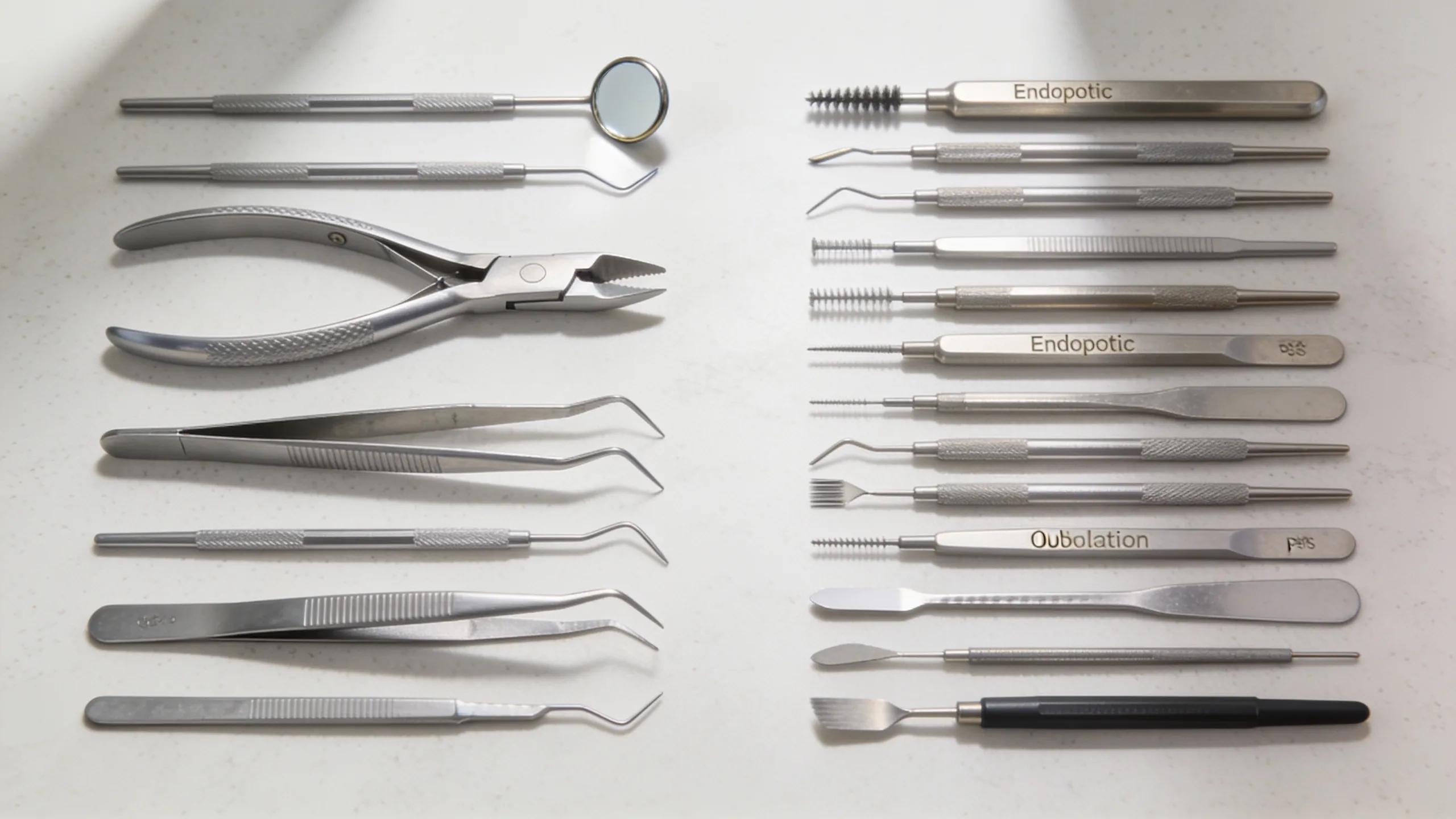
Dentists and endodontists both protect dental health but at different levels. Below is a comparison of the treatments each typically provides.
This table shows general dentists provide broad, routine care while endodontists focus on specialised, complex procedures inside the tooth.
Guidance for Patients Seeking Specialized Dental Care
If you have dental problems, choose based on how severe they are and any past treatments. The points below can help you decide whether to see a general dentist or an endodontist.
- Complex Tooth Pain: If you experience persistent or severe tooth pain, it may be a sign that you need to see an endodontist for an evaluation and possible root canal treatment.
- Existing Dental Issues: Patients with a history of dental work, such as previously performed root canals or recurrent issues, should consult an endodontist for specialized assessments.
For urgent issues, contact your general dentist to help arrange a referral to an endodontist quickly.
What Distinguishes an Endodontist from a General Dentist?
Endodontists complete extra post-graduate training focused on the tooth’s interior—the pulp and root systems. That training equips them to handle complex procedures that general dentists may refer out.
Key Distinctions:
In short, the main differences are:
- Training Duration: Endodontists complete advanced training beyond dental school, typically an additional two to three years focused on endodontics.
- Common Procedures: While dentists perform a variety of routine tasks, endodontists focus on procedures like root canals, endodontic retreatment, and surgical interventions.
These points show why endodontists offer deeper expertise when detailed knowledge of tooth anatomy and root care is required for effective treatment.
How do the scopes of practice vary between dentists and endodontists?
General dentists handle a wide range of dental needs, while endodontists focus on pulp-related problems. Dentists manage routine cleanings and minor issues; endodontists take on more intricate root and internal tooth work.
Which Procedures Do Endodontists Perform Compared to General Dentists?
Both dentists and endodontists can perform root canals, but endodontists often handle tougher cases like retreatments or surgical procedures because of their additional training and experience.
Can general dentists perform root canal therapy or should patients see an endodontist?
General dentists can perform root canal therapy, but they may refer complex cases or complications to an endodontist. The dentist’s assessment and your specific needs determine the best path.
When Should You See an Endodontist Instead of a General Dentist?
Patients should consider an endodontist when tooth anatomy is complex or when symptoms indicate immediate endodontic care, such as severe pain or swelling.
- Complex root systems that may complicate a root canal.
- Symptoms indicating the need for immediate endodontic care, such as severe pain or swelling.
Spotting these signs helps you seek the right specialist and receive effective treatment.
How urgent are emergency dental endodontist appointments?
Extreme pain, swelling, or tooth injury require prompt endodontic attention. Fast evaluation and treatment can prevent complications and improve the chance of saving the tooth.
How Do Referring Dentists Collaborate with Endodontists?
Referring dentists coordinate with endodontists to secure specialised care. Clear communication and timely referrals improve the patient’s experience and treatment timeline.
How is the dental specialist referral process conducted efficiently?
A referral starts when the dentist evaluates the patient and decides an endodontist is needed. Shared records and direct contact between providers make the transition smoother for patients.
What Are the Advanced Endodontic Treatment Options Available?
Endodontic care includes advanced options tailored to specific issues. Some examples are listed below.
- Retreatment of Broken or Failed Root Canals: Commonly performed to address previous unsuccessful treatments.
- Apicoectomy: A surgical procedure involving the removal of the root tip.
- Revascularization: A technique used for young patients with developing teeth to promote continued root development and vitality.
Offering these services helps patients keep teeth that might otherwise be lost and addresses individual treatment needs effectively.
How do endodontic therapy options address dental pulp disease effectively?
Endodontic methods such as root canal therapy remove infected or damaged pulp to avoid extraction and preserve tooth function. This approach reduces pain and supports better oral health.
What Should Patients Know About Scheduling Emergency and Same Day Endodontic Appointments?

If you have severe tooth pain, swelling, or trauma, know how to secure immediate care. Recognising these symptoms helps you act quickly and get appropriate treatment without unnecessary delay.
What steps are involved in securing same day appointments with an endodontic specialist?
To get a same-day appointment, do the following:
- Contacting the endodontist’s office directly and explaining the urgency of the situation.
- Providing any relevant information regarding symptoms and previous dental history to assist the specialist in preparation for the visit.
- Being flexible with available times, as emergency slots may fill quickly.
Planning ahead helps you obtain urgent care quickly and improve treatment outcomes.
Frequently Asked Questions
1. What specific training do endodontists receive beyond dental school?
Endodontists complete two to three years of additional training after dental school. They study the tooth’s inner anatomy, the pulp and root systems, and advanced diagnostic and treatment techniques. This training prepares them for complex procedures like root canals and certain surgical interventions that general dentists may not perform.
2. How can I determine whether I need to visit a dentist or an endodontist?
If you have ongoing tooth pain, signs of infection, or prior treatments that failed, see an endodontist. For routine exams, cleanings and minor repairs, a general dentist is the right choice.
3. What types of dental emergencies should prompt a visit to an endodontist?
See an endodontist for severe toothaches, gum swelling, or tooth trauma like fractures or dislodgement. These symptoms can point to pulp damage or infection. Prompt care reduces pain and increases the chance of saving the tooth.
4. Are there alternatives to root canal therapy that endodontists provide?
Yes. Options include revascularization for young, developing teeth and apicoectomy to remove the root tip surgically. These approaches aim to save teeth that might otherwise be lost due to extensive decay or damage.
5. What should I expect during an endodontic consultation?
Expect a focused review of your medical and dental history, diagnostic tests like X‑rays, and a discussion of findings. The endodontist will explain treatment options, risks and expected results so you can make an informed choice.
6. How can I ensure a smooth referral process from my general dentist to an endodontist?
Keep clear communication with your general dentist and share full symptom details. Ask that records be sent to the specialist, then contact the endodontist promptly. Shared records and timely contact help speed scheduling and treatment.
7. Can general dentists offer the same level of care as endodontists?
General dentists perform many procedures, including some root canals. Endodontists bring extra training, specialised tools and experience for complicated pulp and root issues. For complex cases, an endodontist is often the preferred option.
Conclusion
Knowing the difference between a dentist and an endodontist helps you get the right care. Dentists focus on prevention and routine treatment, while endodontists handle complex procedures like root canals to preserve teeth. Use this information to make informed choices and seek specialist care when needed. For more help maintaining your dental health, explore the resources on our site.