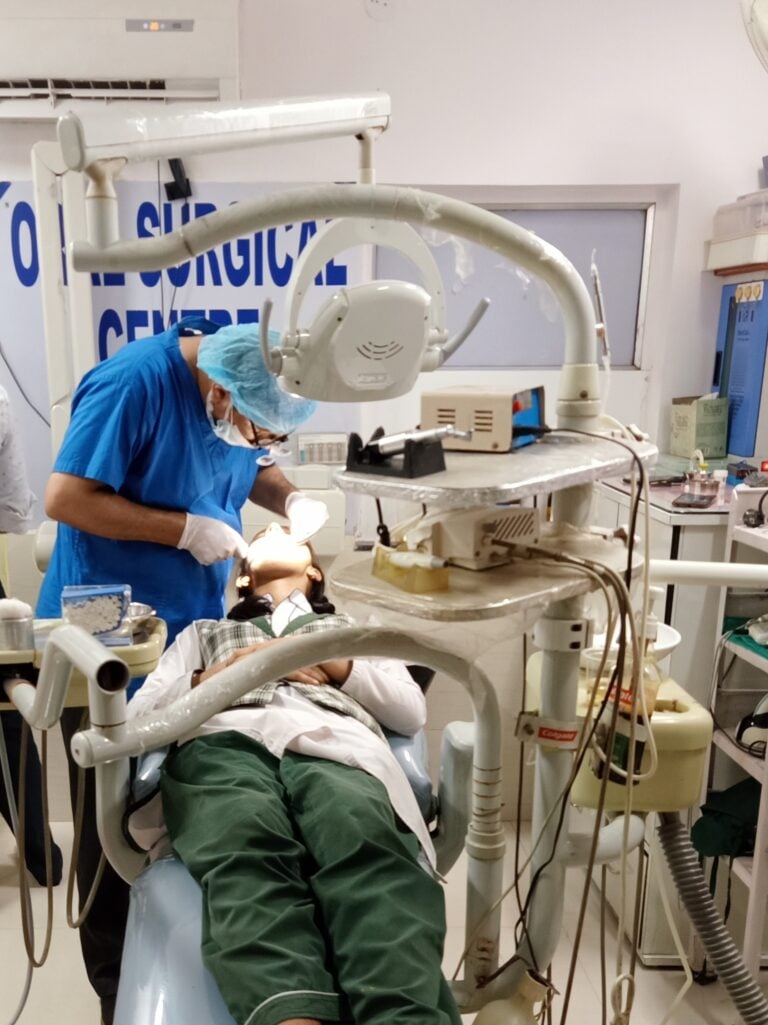
Root Canal Treatment of Teeth: Causes, Procedure, Symptoms, and Emergency Care

Root Canal Treatment of Teeth: Causes, Procedure, Symptoms, and Emergency Care
By Zainab Aziz, Anodyne Endodontics
Root canal treatment (RCT) saves a tooth with infected or damaged pulp. It removes the pulp and nerve, cleans and seals the inner chamber, and relieves pain while keeping the tooth functional. Knowing why you might need a root canal and what the procedure involves can reduce anxiety. This article explains causes, the step-by-step procedure, symptoms, and emergency care for root canals, plus common signs that need urgent attention and how specialists like Anodyne Endodontics can help.
Key Takeaways
- Root canal treatment removes infected pulp to save and preserve the natural tooth’s function and structure.
- Common causes for root canal therapy include deep decay, trauma, repeated dental procedures, and pulp infection.
- The procedure involves anesthesia, pulp removal, canal cleaning, medication application, sealing, and crown restoration.
- Symptoms indicating root canal need include severe pain, prolonged sensitivity, gum swelling, and tooth discoloration.
- Emergency root canal care is critical for acute pain, swelling, or fever to prevent further complications.
- Post-treatment recovery involves managing pain, avoiding hard foods, and maintaining gentle oral hygiene for faster healing.
- Alternatives to root canal include tooth extraction and laser treatments, each with specific benefits and risks.
- Specialist endodontists improve treatment success through advanced expertise and collaboration with general dentists.
- Timely emergency appointments and clear communication with dental professionals ensure effective root canal outcomes.
Causes of Root Canal Treatment:
Root canal treatment is required when the tooth’s pulp becomes inflamed or infected. Deep decay that reaches the pulp is a common cause. Trauma to the tooth, repeated dental work on the same tooth, and certain dental diseases can also damage the pulp and necessitate treatment.
Detailed Procedure:
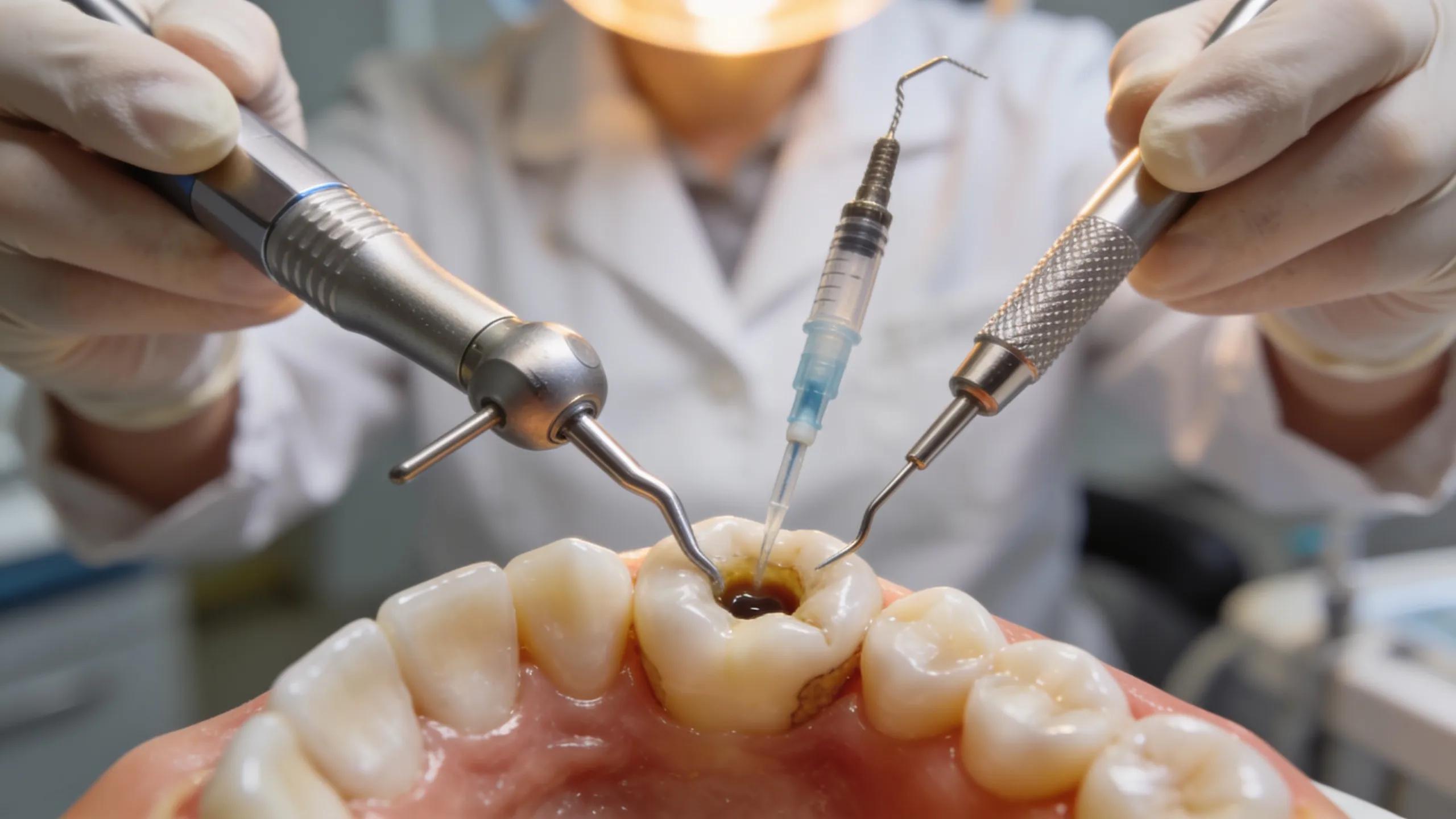
The root canal process follows a few key steps for a successful outcome. It starts with anesthesia for comfort. The dentist creates an access opening, removes the pulp with specialized instruments, cleans and shapes the canals, and may apply medication to address infection. The canals are sealed with a biocompatible material and the tooth is usually restored with a crown to restore strength and function.
How to Prepare for Root Canal Treatment: Patient Guidelines and Expectations
To prepare, follow any medication and pre-visit instructions from your dentist. Arrange transport if anesthesia will affect your ability to drive. Share any medical history or concerns with your dentist to help the team plan care effectively.
What Happens During Each Step of a Root Canal Procedure?
During the procedure, the dentist makes an access opening and carefully removes the pulp tissue. Cleaning and shaping the canals removes debris and prepares them for the sealant material. A filling is placed to block reinfection. Understanding each step helps reduce fear and set clear expectations.
Associated Symptoms:
Signs that a root canal may be needed include severe tooth pain, lingering sensitivity to hot or cold, swelling or tenderness in the gums, and tooth discoloration. Spotting these symptoms early can lead to prompt treatment and a better chance of saving the tooth.
Considerations for Emergency Care:

Emergency care is essential when signs of a tooth infection appear. Acute pain, noticeable swelling, or fever often indicate the need for immediate attention. Contact a dental professional right away for timely intervention.
Anodyne Endodontics provides same-day emergency appointments, allowing patients to receive quick relief from pain and discomfort.
What Are the Common Causes and Signs of Root Canal Pain and Infected Tooth?
A tooth infection can cause substantial pain if it isn’t treated. Common signs include pain when chewing, persistent throbbing, and visible gum swelling. Seek prompt consultation with a specialist if you notice these symptoms.
How to Recognize Symptoms of Tooth Infection Needing Root Canal Therapy
Watch for extreme sensitivity to temperature, pus draining from the gums, or worsening pain over time. Recognising these signs early usually leads to simpler treatment and better outcomes.
What Factors Cause Root Canal Pain and Tooth Pulp Infection?
Root canal pain often stems from untreated decay, injury to the tooth, or repeated dental procedures that let bacteria reach the pulp. These factors raise the risk of infection and the associated pain.
How to Manage Recovery and What to Expect After Root Canal Treatment?
After treatment, expect to monitor pain levels and follow aftercare instructions. Over-the-counter pain relievers commonly manage discomfort. Avoid hard foods for several days to protect the treated tooth.
What Are the Typical Root Canal Recovery Timelines and Care Tips?
Many patients feel noticeably better within a few days. Follow your dentist’s post-treatment guidelines, practise gentle oral hygiene, and avoid strenuous activity to support recovery.
How to Handle Post-Treatment Pain and Prevent Complications?
Some soreness may continue after the procedure. Apply ice to reduce swelling, maintain good oral hygiene, and attend follow-up visits so your dentist can address any concerns early.
What Are Your Options: Root Canal Treatment Alternatives and Their Benefits?
Root canal therapy often saves the natural tooth, but alternatives do exist. Tooth extraction removes the tooth and may be appropriate when a tooth cannot be saved. Extraction can lead to the need for restorative options like implants, which adds further procedures.
Which Alternatives Exist to Root Canal Therapy and When Are They Recommended?
Alternatives such as laser treatment may be less invasive and can sometimes target bacteria without extensive drilling. Dentists may recommend these options when conventional treatment is not suitable due to health or other factors.
What Are the Benefits and Risks of Root Canal vs. Other Treatments?
The key benefit of root canal treatment is its ability to save a tooth and preserve function. Extraction can lead to more complex dental needs later, requiring additional treatments. Discuss both the health and financial implications with your dentist to decide what fits your situation.
How to Access Emergency Same Day Root Canal Services?
When you have severe pain or signs of infection, contact an endodontist promptly. Quick action can speed care and reduce the risk of complications.
When Is an Emergency Root Canal Needed and How to Act Quickly?
An emergency root canal may be needed for extreme pain, swelling, or loss of a tooth. In those cases, act fast and contact a dental professional to improve the chances of a successful outcome.
How to Schedule and What to Expect From Emergency Root Canal Appointments?
To schedule an emergency visit, call the dental office and describe your symptoms. Expect an exam, possible X-rays, and a clear explanation of the recommended treatment and recovery plan during the visit.
How Do Referring Dentists Collaborate with Endodontic Specialists for Root Canal Treatment?
Cooperation between general dentists and endodontists ensures patients needing advanced care reach the right specialist quickly. This coordination supports efficient, effective treatment.
What Is the Patient Referral Process from General Dentist to Endodontist?
The referral process starts with a thorough evaluation by the general dentist and a tailored treatment plan. The patient is then referred to an endodontist for specialised care when more complex root canal treatment is needed.
How Does Specialist Expertise Improve Root Canal Treatment Outcomes?
Specialist involvement improves outcomes due to additional training and experience with complex cases. Research indicates that cases handled by endodontic specialists have higher success rates, underscoring the benefit of specialist care.
Frequently Asked Questions
1. How does a dentist determine if I need a root canal?
A dentist evaluates your condition with a clinical exam, medical history, and sometimes X-rays. Symptoms such as severe tooth pain, temperature sensitivity, or visible gum infection suggest a root canal. Prior trauma or repeated treatments on the same tooth are also considered. If the pulp appears inflamed or infected, the dentist will recommend treatment.
2. Can I eat before undergoing a root canal treatment?
It’s usually best to avoid eating for several hours before your appointment, especially if you’ll receive anesthesia. Eating beforehand can increase the chance of nausea. Follow your dentist’s specific instructions. After the procedure and once the anesthesia wears off, choose soft foods for the first few days.
3. What can I expect on the day of my root canal procedure?
On the day of the procedure you’ll have a consultation and a local anesthetic to numb the area. The dentist will remove the pulp, clean the canals, and seal the tooth. Modern techniques focus on comfort, and many patients find the experience less intimidating than expected.
4. Are there any long-term effects of having a root canal?
Long-term results depend on aftercare and oral hygiene. Many people keep their treated tooth for years or a lifetime. Reinfection is possible if care lapses, so regular check-ups and good hygiene are important to reduce risks.
5. How do I know if my root canal was successful?
Signs of success include reduced pain and swelling and restored tooth function. Regular follow-up visits let your dentist monitor healing. If you have persistent pain, swelling, or other concerns, contact your dentist right away to rule out complications.
6. How does the cost of a root canal compare to tooth extraction?
Costs vary by location and case complexity. A root canal often costs more than extraction initially, but extraction may lead to additional expenses for replacements like implants or bridges, increasing long-term costs. Discuss options with your dentist to weigh financial and health considerations.
7. Can I undergo root canal treatment if I am pregnant?
Root canal treatment can usually be performed during pregnancy when needed, particularly to treat pain or infection. Tell your dentist about your pregnancy so they can take appropriate precautions with anesthesia and imaging. The benefits of treating infection often outweigh the risks, but consult both your obstetrician and dentist to plan timing and approach.
Conclusion
Root canal treatment preserves dental health, relieves pain, and prevents further complications. Recognising causes and early symptoms supports timely intervention by specialists like those at Anodyne Endodontics. Prioritise your dental health—visit our website to learn more about our root canal services and schedule an appointment today.