Special Care Dentistry: Personalized Patient Care and Emergency Endodontic Solutions
Special Care Dentistry: Personalized Patient Care and Emergency Endodontic Solutions
By Zainab Aziz, Anodyne Endodontics
Special care dentistry delivers tailored treatment for each patient, especially for endodontic needs like root canals and urgent visits. It focuses on compassionate, patient-centered care to improve outcomes and ease anxiety. This article explains why special care matters, how emergency appointments are scheduled, the role of referring dentists, and how adaptive equipment improves comfort.
Key Takeaways
- Special care dentistry provides personalized treatment plans tailored to patients with anxiety, disabilities, or unique health needs.
- Emergency root canal appointments require prompt symptom recognition and streamlined scheduling for effective dental care.
- Patient education and use of biocompatible materials improve adherence and outcomes in special care endodontic treatments.
- Referring dentists coordinate care by communicating patient histories and facilitating seamless transitions to endodontic specialists.
- Adaptive dental equipment enhances comfort and precision for patients with sensitive needs during complex procedures.
- Mental health and caregiving support reduce anxiety and improve patient experiences in special care dentistry.
- Personalized emergency dental care demand is rising, emphasizing timely intervention and patient-centered approaches.
- Streamlined referral protocols between general dentists and specialists optimize treatment efficiency and continuity of care.
What is Special Care Dentistry and Why Does Personalized Patient Care Matter?
Special care dentistry creates treatment plans fitted to each patient’s needs — vital for those with anxiety, disabilities or other health issues. It uses shared decision-making so patients are involved in their options.
Personalized care boosts satisfaction and clinical outcomes while reducing anxiety. Addressing specific concerns helps patients feel respected and understood.
Defining Special Care in Endodontics and Its Patient-Centric Approach
In endodontics, special care adjusts standard techniques to meet emotional and physical needs. That can include biocompatible materials, minimally invasive methods to reduce discomfort and speed recovery, plus clear education so patients feel confident about their choices.
Moving away from a one-size-fits-all model lets endodontists provide safer, more supportive care that improves both clinical results and the patient experience.
How Personalized Healthcare Strategies Improve Dental Outcomes
Personalized strategies raise success by assessing both physical and emotional needs. That involves reviewing medical history, dental anxieties and treatment preferences.
Using biocompatible materials lowers the risk of adverse reactions and supports healing. Educating patients increases adherence to aftercare and follow-ups, which improves long-term oral health.
How Can Patients Schedule and Prepare for Same Day Emergency Root Canal Appointments?
When sudden tooth pain or injury occurs, patients need fast, simple access to care. Recognising symptoms that require an emergency root canal and acting quickly helps prevent complications.
Steps to Identify Symptoms
Spotting emergency signs is the first step to timely care. Common indicators include:
- Severe tooth pain that doesn’t subside.
- Swelling in the gums or face.
- Sensitivity to hot or cold stimuli.
- Discoloration of the affected tooth.
If you notice these signs, contact your dentist right away for referral to an endodontic specialist.
Contacting Anodyne Endodontics
Call Anodyne Endodontics at (659) 266-3963 (659-266-3963). Describe your symptoms so staff can prioritize your appointment appropriately.
Preparing for the Appointment
To prepare for a same-day emergency visit:
- Gather any necessary medical records, including past dental history.
- Be ready to provide information about any medications they take.
- Note any allergies to medications or anesthesia.
Being prepared speeds the visit and helps you get prompt, effective care.
What Should Patients Expect During Same Day Root Canal Services?
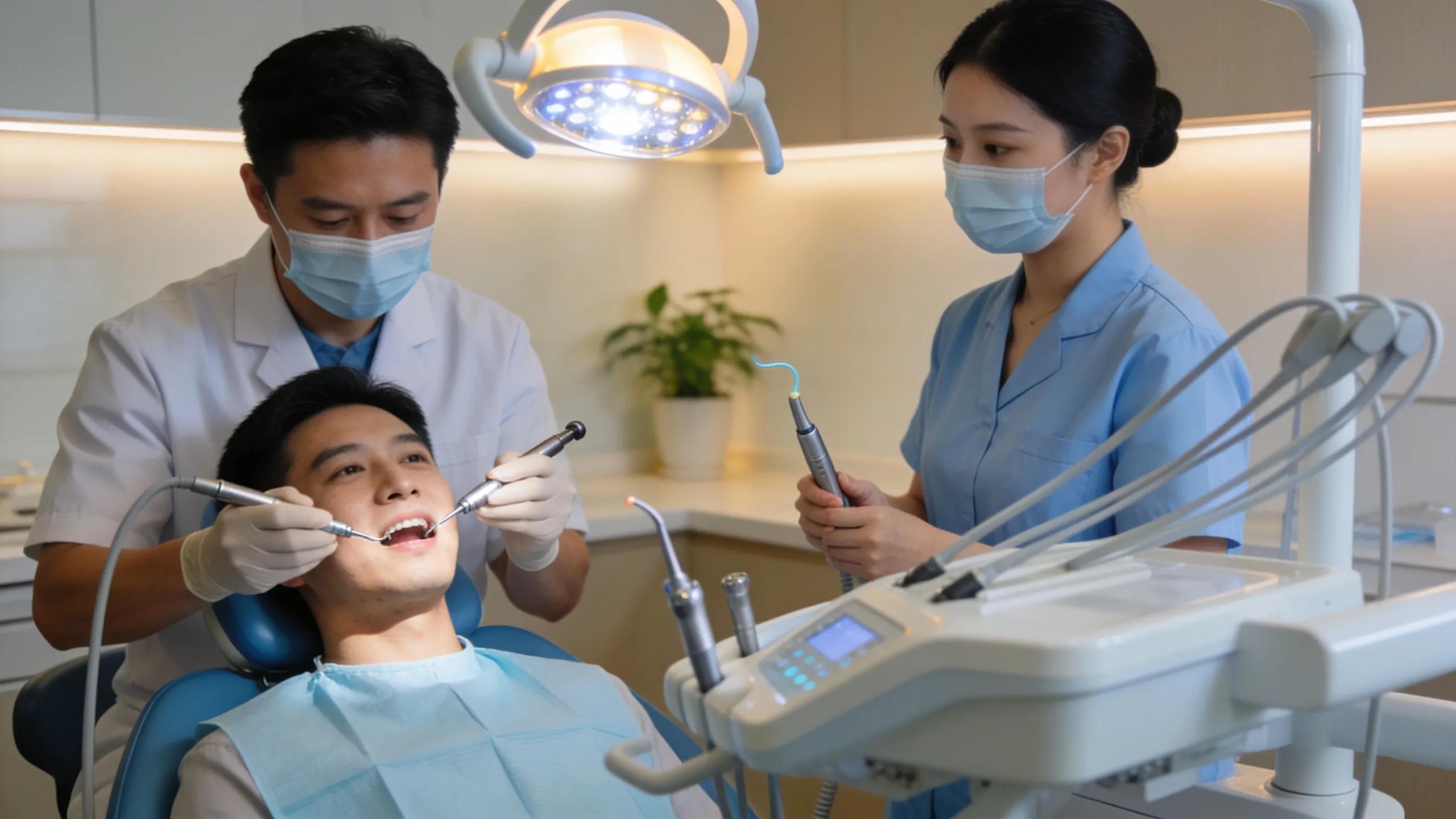
A same-day root canal can be stressful for many people. Knowing the steps ahead helps make the visit calmer and more comfortable.
The procedure removes infected pulp to relieve pain and stop decay. Local anesthesia is used to numb the area, so the treatment is usually pain-free.
Afterwards, expect some temporary discomfort, usually controlled with over-the-counter pain relievers. Follow post-treatment instructions closely to support proper healing.
What Role Do Referring Dentists Play in Coordinating Special Care Endodontic Treatments?
Referring dentists are often the first contact for patients in pain. Their guidance strongly shapes where and how patients receive specialist endodontic care.
Identifying Patient Needs
They assess medical history and dental anxieties and pass these details to endodontists so care can be tailored.
Communicating Treatment Histories
Sharing treatment histories and current issues helps specialists build personalized plans and ensures smooth care transitions.
Coordinating Ongoing Care
They also coordinate follow-ups and manage complications, keeping care continuous and patient-focused.
How Do Dentists Refer Patients to Anodyne Endodontics Effectively?
Clear referral steps help patients get timely, appropriate treatment. Dentists can streamline care by following set communication and planning steps.
Identifying the Need for Referral
Dentists should refer when patients have persistent pain, swelling or signs of infection. Early recognition leads to better outcomes.
Contact Methods
Use direct contact with Anodyne Endodontics to speed referrals. Quick responses about patient history and urgent scheduling keep treatment on track.
Documentation Requirements
Include medical history and records of any prior treatment so specialists have what they need to act efficiently.
What Are the Benefits of Streamlined Dentist Referral Protocols?
Streamlined referrals benefit patients and providers by reducing delays and improving care coordination.
Enhancement of Patient Care
Fast, accurate referrals connect patients to the right specialist without avoidable wait times, lowering complication risk and improving outcomes.
Improved Outcomes Through Specialist Care
Working with specialists brings advanced expertise to complex cases and improves treatment effectiveness.
Continuity of Care After Treatment
Clear referral protocols ensure smooth hand-offs and consistent follow-up, supporting long-term oral health.
How Does Adaptive Healthcare Equipment Enhance Care for Patients with Sensitive Needs?
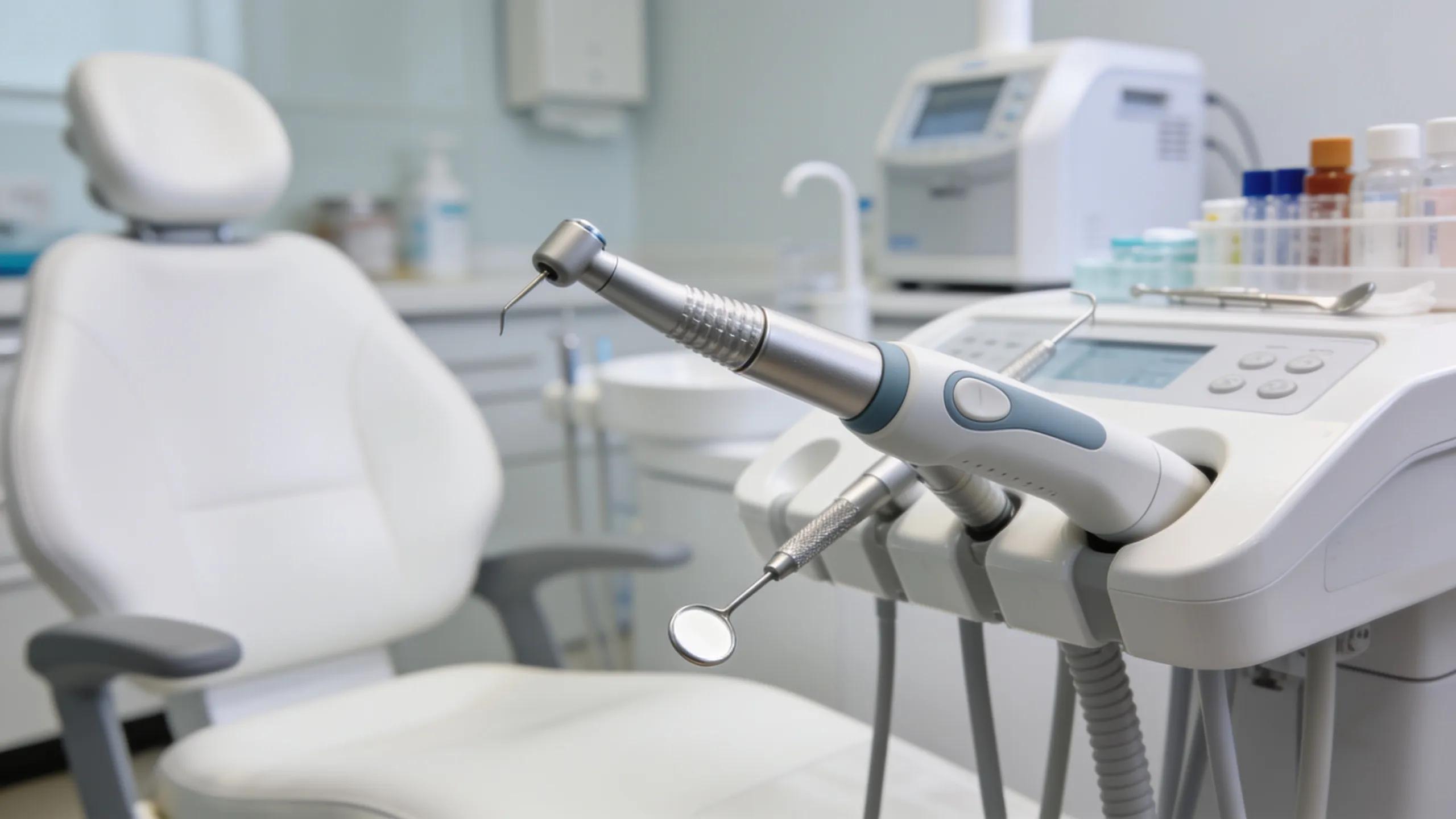
Adaptive equipment addresses special needs, improving comfort and treatment accuracy during procedures.
What Types of Adaptive Equipment Are Used in Special Care Dentistry?
Clinics use tools like surgical microscopes, 3D CBCT imaging and bioceramic sealers to increase precision. For more on advanced tools, consider exploring “advanced dental technology” and how it’s shaping modern practices.
How Does Equipment Adaptation Improve Comfort for Sensitive Skin Patients?
Adapting equipment reduces irritation and pain. Less invasive tools can make procedures more comfortable and improve pain management.
Why Are Mental Health and Caregiving Support Crucial for Patients Undergoing Special Care Procedures?
Mental health is central to endodontic care. Many patients feel anxiety about dental procedures, so proactively addressing these concerns matters.
What Mental Health Considerations Impact Endodontic Care?
Issues like anxiety disorders or past traumatic dental visits affect treatment. Recognising these factors lets teams adjust their approach and support patient anxiety management.
How Do Caregiving Strategies Reduce Patient Anxiety and Improve Outcomes?
Empathetic caregiving and involving patients in decisions lower anxiety and increase satisfaction and compliance.
What Are the Latest Trends and Benefits of Personalized Emergency Dental Care in 2026?
Demand for personalized emergency dental care, particularly in endodontics, is on the rise.
How Has Demand for Emergency Root Canal Services Grown Recently?
Recent data show higher demand for emergency root canal care due to more dental trauma and greater awareness, prompting patients to seek care sooner.
What Case Studies Show the Effectiveness of Adaptive and Personalized Care?
Case studies demonstrate that adaptive, personalized approaches improve patient satisfaction and treatment success, encouraging more patients to seek timely care. Understanding the principles of personalized dental care is important for modern dental teams.
Frequently Asked Questions
1. What should I look for when choosing a special care dentist?
Look for qualifications and experience treating patients with anxiety, disabilities or other health concerns. Choose a practice that uses a patient-centered approach, modern diagnostic tools, adaptive equipment and shows positive patient reviews. Confirm whether they use biocompatible materials.
2. How can I manage anxiety before a dental appointment?
Talk openly with your dental provider about fears so they can help. Try deep breathing, visualisation or bringing a comforting item. Book quieter appointment times and consider bringing a friend or family member for support.
3. What are the common misconceptions about root canals?
Root canals are often thought to be very painful or only for severe disease. In truth, they relieve pain from infection. Modern anaesthesia and techniques make them much more comfortable and can save a tooth from extraction.
4. Are there specific post-treatment care steps for endodontic procedures?
After an endodontic treatment, follow post-op instructions to ensure proper healing. Take prescribed or over-the-counter medications for discomfort, avoid hard or sticky foods until cleared, maintain oral hygiene and attend follow-up visits to monitor recovery.
5. How can family members support loved ones undergoing special care dental treatments?
Family can provide emotional reassurance and accompany the patient to appointments. Helping with transport, preparing soft meals after treatment and encouraging open discussion about feelings all support recovery.
6. What strategies do dentists use to accommodate patients with disabilities?
Dentists may offer wheelchair-accessible facilities, staff trained for diverse needs, adaptive chairs and tools to reduce discomfort, and tailored communication methods. Personal consultations help plan appropriate treatment.
7. How often should I schedule dental check-ups if I have special dental needs?
Check-up frequency depends on individual needs. Generally, six-monthly visits are recommended, but some patients benefit from more frequent appointments to closely monitor and manage their oral health.
Conclusion
Adopting a specialized approach improves care by tailoring treatments to individual needs, especially in endodontics. This patient-centered model enhances outcomes and reduces anxiety. Clear communication and coordination with referring dentists create a smoother patient journey. Explore our resources to learn more about personalized care.