Retreat Root Canal: Comprehensive Guide to Symptoms, Procedures, Costs, and Emergency Care
Retreat Root Canal: Comprehensive Guide to Symptoms, Procedures, Costs, and Emergency Care
By Zainab Aziz, Anodyne Endodontics
A root canal treats an infected or damaged tooth, but sometimes the first procedure fails and retreatment is needed. This guide explains the symptoms that suggest retreatment, the steps involved, typical costs, and emergency care options. Knowing these points helps patients act quickly—delaying care can cause further problems. Read on for a clear overview of endodontic retreatment so you can make informed choices.
Key Takeaways
- Root canal retreatment addresses failed initial procedures by removing old fillings and re-cleaning infected canals.
- Symptoms indicating retreatment include persistent pain, gum swelling, and increased tooth sensitivity to temperature or pressure.
- The retreatment process involves evaluation, removal of filling material, canal cleaning, resealing, and coordination for restoration.
- Retreatment costs typically range from $700 to $1,500, with insurance covering 50% to 80% depending on the service.
- Emergency care options include contacting a dentist or endodontic specialist promptly to manage severe pain or infection.
- Alternatives to retreatment include tooth extraction followed by implants or bridges, which require professional consultation.
- Successful recovery depends on follow-up visits, maintaining oral hygiene, and monitoring for recurring symptoms.
- Effective communication and coordination between general dentists and endodontists improve patient outcomes during retreatment.
- Understanding insurance coverage and comparing costs helps patients make informed financial decisions about retreatment.
Comprehensive Guide on Endodontic Retreatment Procedures
Endodontic retreatment fixes a failed root canal by removing old filling material and re-cleaning the canal system. The endodontist will assess the infection and the tooth’s condition to target treatment. Knowing the purpose and steps helps manage expectations.
Symptoms Indicating Retreatment
Spotting signs that require retreatment affects tooth health. Common indicators include:
- Persistent Pain: Ongoing discomfort or pain in the treated tooth can indicate that it is not healing properly.
- Swelling or Tenderness: This may occur in the gums surrounding the tooth and can signify infection.
- Increased Sensitivity: Heightened sensitivity to temperature changes or pressure can suggest complications in the root canal.
Early recognition allows for timely intervention and can sometimes save the tooth from extraction.
Procedural Steps for Retreatment
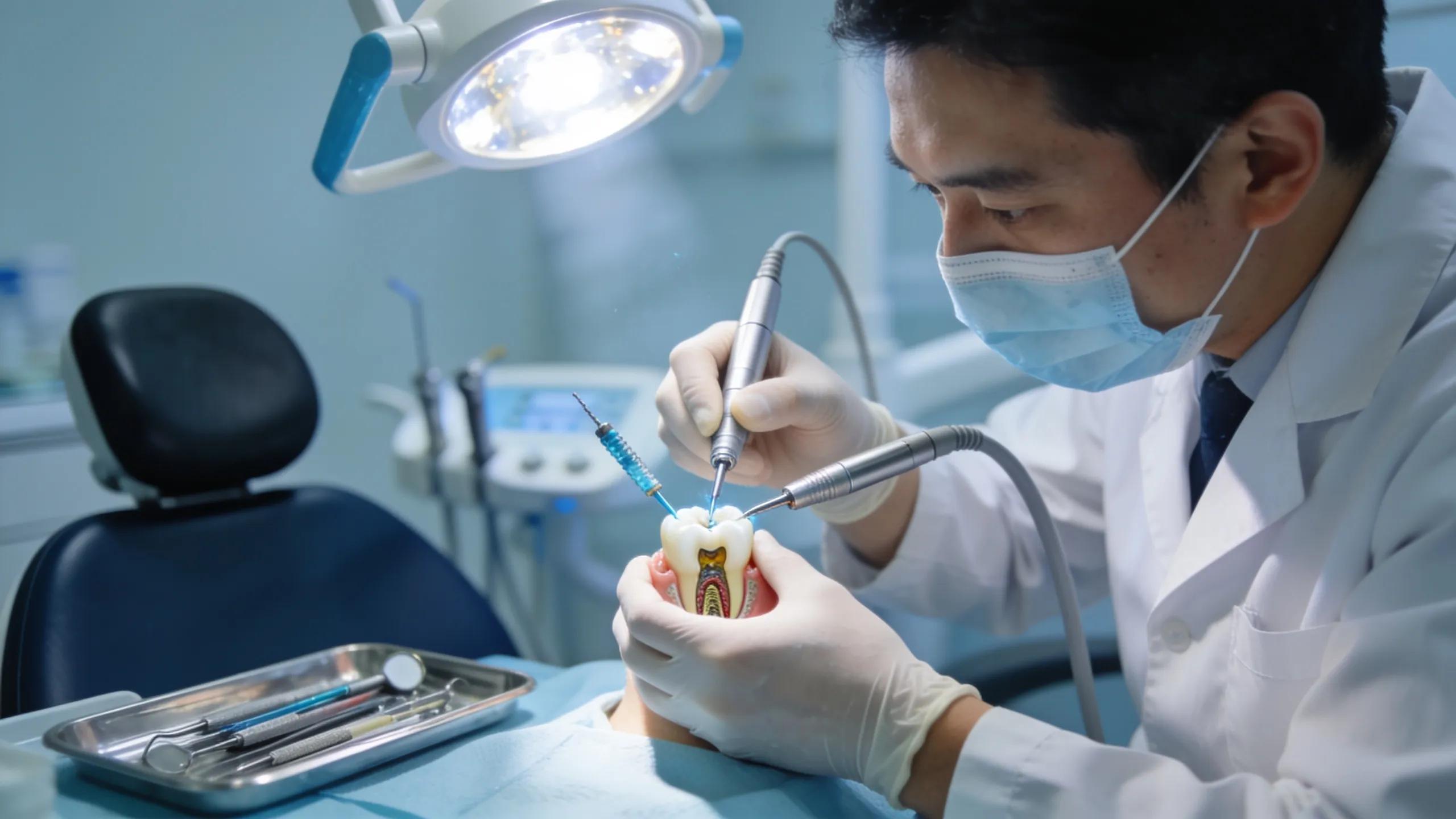
Retreatment usually follows several key steps, which include:
- Evaluation and Imaging: The endodontist will perform necessary imaging tests to assess the condition of the tooth and the surrounding structures.
- Removal of Existing Filling: The original filling material from the root canal will be carefully removed to access the canal system.
- Canal Cleaning and Shaping: The canals will be meticulously cleaned and shaped to eliminate any remaining infection.
- Re-sealing the Canals: Once cleaned, the canal system will be resealed to prevent reinfection.
- Coordination for Final Restoration: A referral may be made for further restorative work, ensuring the tooth is fully functional post-procedure.
These actions help ensure retreatment succeeds and the tooth is preserved.
Costs of Retreatment
Costs vary with case complexity, geographic location, and the endodontist’s fees. On average, retreatment typically costs between $700 and $1,500 depending on these factors.
The table shows typical costs and how insurance may offset these fees.
Emergency Care Options

If immediate care is required, know your options. Emergency dental issues often stem from untreated infections or severe pain. Immediate measures include:
- Contacting Your Dentist: Always reach out to your dentist for appointment options.
- Seeking Endodontic Care: Contacting a specialist, such as Anodyne Endodontics, ensures that the necessary care is received promptly.
Recognising when to seek emergency care and acting quickly can reduce the risk of complications.
What Are the Common Symptoms of Root Canal Failure?
Common signs of root canal failure include persistent discomfort, swelling, and increased sensitivity in the treated area. If these symptoms continue after a root canal, consult an endodontist promptly.
When Is Retreatment Necessary Based on Symptom Signs?
Retreatment is often needed when persistent pain or gum tenderness continues, indicating the initial treatment may not have fully resolved the infection. An endodontist’s evaluation is essential to determine the appropriate next steps.
What Are Your Options for Root Canal Retreatment and Alternatives?
When considering retreatment, weigh the available alternatives and their effects on pain management and tooth function.
What Are Effective Alternatives to Root Canal Retreatment?
Alternatives can involve extracting the problematic tooth and replacing it with an implant or bridge. Discuss these options with your dental professional to choose the best path for your situation.
How Does the Recovery Process After Root Canal Retreatment Progress?
Recovery after retreatment generally follows the same pattern as the initial procedure. Expect manageable discomfort that usually improves within a few days.
How to Ensure Successful Healing and Avoid Complications
Post-treatment care is important for healing and preventing complications. Recommended steps include:
- Follow-Up Appointments: Schedule follow-ups to monitor recovery and ensure no ongoing infection.
- Good Oral Hygiene: Maintain thorough oral hygiene to ensure the best recovery outcomes.
- Awareness of Symptoms: Stay alert to any returning symptoms that may indicate complications.
Following these steps increases the likelihood of a smooth recovery from endodontic retreatment.
How to Schedule an Emergency Root Canal Appointment Quickly?
In an emergency, clear communication about your symptoms and the level of urgency when you call helps secure faster care.
How to Contact Anodyne Endodontics for Emergency Treatment
For emergency treatment, contact Anodyne Endodontics at (659) 266-3963 or email care@anodyneendo.com for assistance.
How Can Referring Dentists Partner for Root Canal Retreatment?
Referring dentists play a key role in coordinating care for patients needing retreatment. Close collaboration with an endodontist improves patient outcomes.
How Does Anodyne Ensure Convenient Coordination with Referring Dentists?
Anodyne Endodontics uses systems designed to streamline communication with referring dentists, ensuring patients receive coordinated, comprehensive care tailored to their needs.
What Are the Typical Root Canal Retreatment Costs and Considerations?
Knowing the cost of retreatment and how insurance applies can influence treatment decisions. Patients should confirm how their policy covers retreatment and related services.
How to Compare Costs and Insurance Coverage Options
Review your insurance policy to understand coverage for retreatment. Comparing options helps you make the most informed financial decision about dental care.
Frequently Asked Questions
What should I expect during the evaluation for root canal retreatment?
During the evaluation, the endodontist will perform a thorough assessment of the affected tooth, including x-rays to view internal structures. They will check for infection, review the previous treatment, and recommend the best retreatment approach. This assessment establishes a tailored plan and keeps you informed about the next steps.
How long does the root canal retreatment procedure take?
A retreatment usually takes one to two hours, depending on complexity and the tooth’s condition. After administering anesthesia, the endodontist removes existing fillings, cleans the canals, and reseals them. If further restorative work is needed, another appointment may be required. Expect follow-up care to confirm recovery.
Can I eat and drink after a root canal retreatment?
Avoid eating or drinking until the anesthesia has worn off to prevent accidental bites. Once normal sensation returns, choose soft foods and follow your dentist’s advice on food choices and temperature, especially in the first few days.
What if I continue to experience pain after retreatment?
If pain persists after retreatment, contact your endodontist promptly. There may be issues such as incomplete cleaning, new infection, or other complications that require further treatment. Timely communication allows for necessary adjustments to the care plan.
What are the risks associated with root canal retreatment?
Retreatment carries some risks, though they are generally low. Possible complications include persistent pain, infection, or incomplete canal cleaning that may need additional care. There are also risks related to anesthesia or nearby structures. Discussing these risks with your endodontist helps clarify them and identify ways to reduce them.
How can I prepare for a root canal retreatment appointment?
To prepare, bring a list of symptoms and questions, provide a full medical history including current medications, and arrange transport if sedation is planned. Being prepared improves communication with your endodontist and helps the appointment run smoothly.
Conclusion
Understanding the main points of root canal retreatment helps you make informed decisions about dental care. Recognising symptoms early and seeking timely treatment can prevent complications and preserve the natural tooth when possible. Consult a dental professional to discuss your symptoms and options, and explore our resources for more information on optimal dental care.